
Introduction
A quarter into the 21st century, it’s apparent that China and the rest of Asia are making an economically and geopolitically global impact.
China and Asia’s rise have been moving at full-speed the last twenty-five years and this is how I was able to gain a front-row seat.
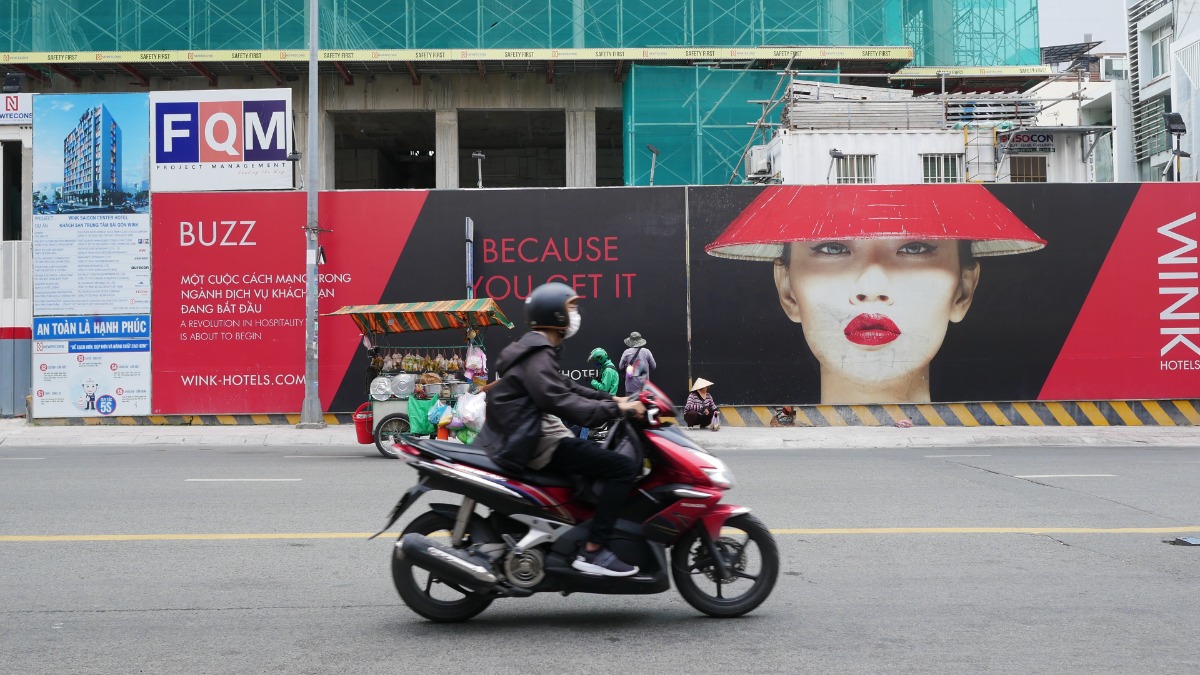
Asia is where tradition meets modernity.
How I got interested in Asia
Growing up in the 1990s in southern Minnesota, I had pretty much an all-American upbringing. While I helped out at our family Asian restaurant, I was a popular and active kid attending the local Catholic schools, participating and leading many clubs and played on the high school football team.
It wasn’t until attending Saint John’s University and the College of Saint Benedict in Minnesota where my Asian studies and history professor piqued my Asia-interest.
Through his classes, Dr. Richard Bohr nurtured and inspired me to follow my Asia curiosity and to discover and to learn from the most dynamic, fastest-growing economic and geopolitical part of the world.
In his lectures, he would insist we students prepare for the turn of the century by saying, “We need more Asia hands,” foreshadowing the importance of Pacific Century, as he called it.
So by college graduation in 1999, I enrolled in a China teaching program that assigned me to Zhongshan city, a couple hour ferry ride from Hong Kong in the southern region of mainland China.
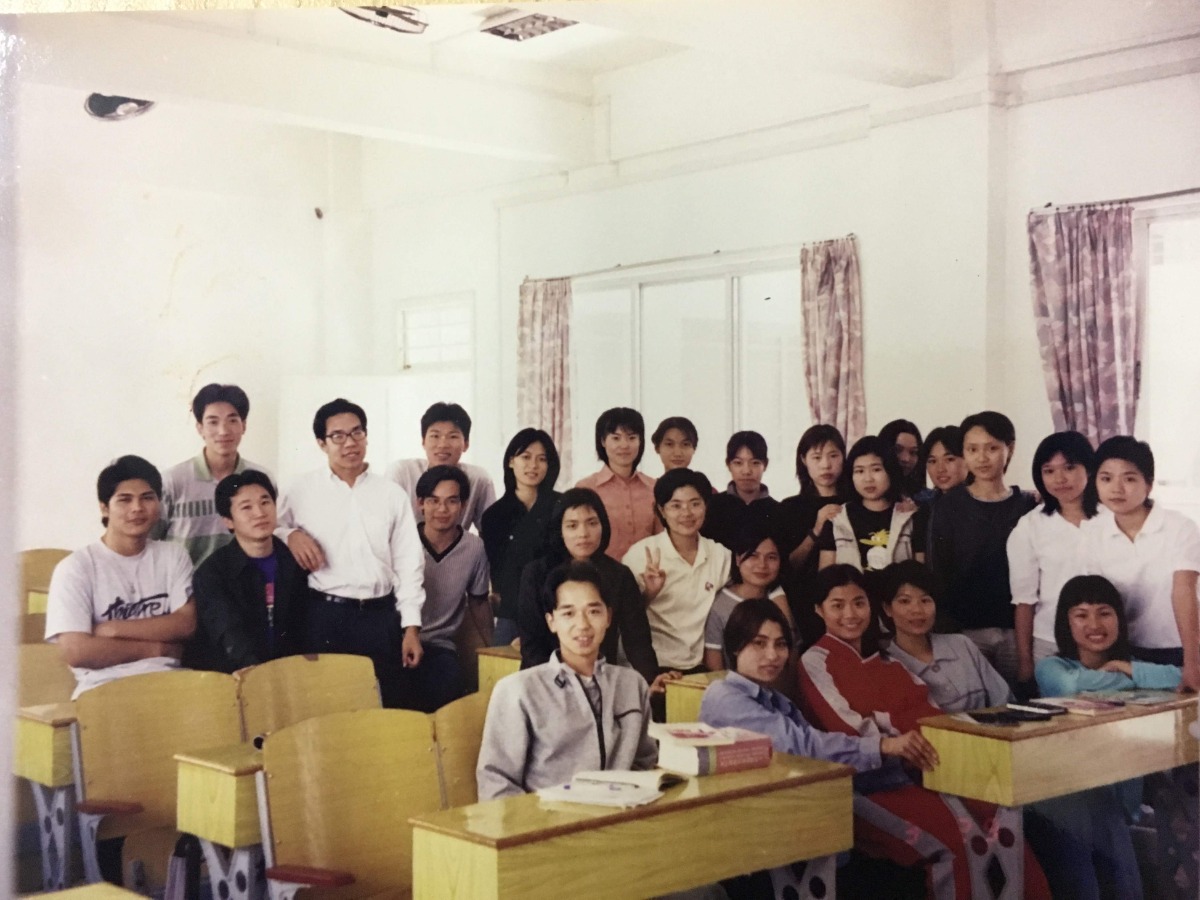
Can you spot the foreigner? Me teaching English to Chinese students, circa 1999.
In all, I ended up staying in China for two years where I criss-crossed the country from all corners during holidays and summer breaks and started learning Mandarin earnestly. During my travels, I tried to make sense of the country that was transforming right before my eyes and one that was rising both economically and geopolitically and would challenge the world order in the decades to come.
In the classroom, I found my students to be nationalistic, proud, and excited for the century ahead.
Pursuing graduate studies at the University of Hawaii
As I was finishing up my China-stint, I reasoned that I needed to gain professional expertise centered on Asia, so I enrolled at the University of Hawaii’s Asian studies program in 2001.
Those years in Honolulu were the best years of my life. At the University of Hawaii and adjacent East-West Center, a congressionally-funded educational, research, and student exchange think-tank, I was surrounded by a diverse student body and young academics like myself pursuing every topic imaginable in China, Japan, Korea, Southeast Asian and Pacific Island studies.
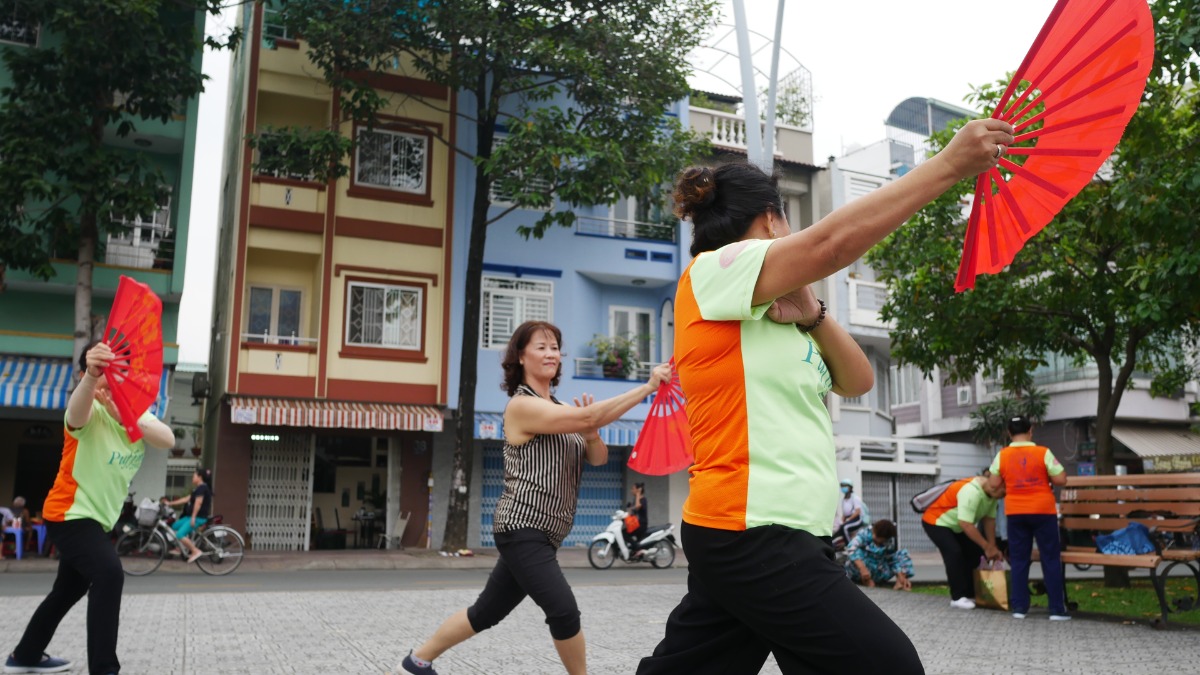
There was never a dull moment as there were plenty of cultural celebrations, interesting academic lectures, and potlucks to attend year-round.
I was young, in my element, and enjoying a period of time in my life before having to worry about larger financial commitments or any responsibility that comes from starting a family.
Combining my Asia-interest with supply chain
By 2012, I was able to emerge from the 2008 economic recession unscathed and decided to make it back to my familiar Minneapolis-St. Paul, Minnesota.
Not too long after arriving in town that fall, I was hired by a Vietnam importing business start-up. Because the company was new, my role exposed me to the inner workings of supply chain and trade compliance.
While working my day job, I decided to learn more about import-export and pursued a global trade certificate at the local community college on Saturdays.
I enjoyed my supply chain classes so much that I pursued a Certified Supply Chain Professional certification (CSCP) and joined the Twin Cities APICS chapter, the professional association of supply chain management and served on the board.
With a little experience under my belt and a couple of certifications in-hand, I successfully worked in supply chain and trade compliance roles spanning three different companies.
All was going well until, a few years into my career, I lost my corporate job leaving me disillusioned, frustrated, and unsatisfied working for a large company.
Nearing my 40s, I was at an inflection point and had to make a decision about my future. After some contemplation, I decided to buck the corporate 9-5 and go all-in on entrepreneurship.
And so by 2017 I had decided to recommit myself to living and traveling in Asia working on online businesses.
Digital nomad in Asia
Living in Thailand and Vietnam as a digital nomad was an amazing experience, to say the least.
I could secure a fully-furnished, modern $500/a month apartment decked out with an attached pool and on-site gym on a whim, use Grab to hail a cheap moto scooter taxi to get around town, get affordable cleaning service for my apartment, outsource my laundry for a few dollars, and eat most meals out for under $5.
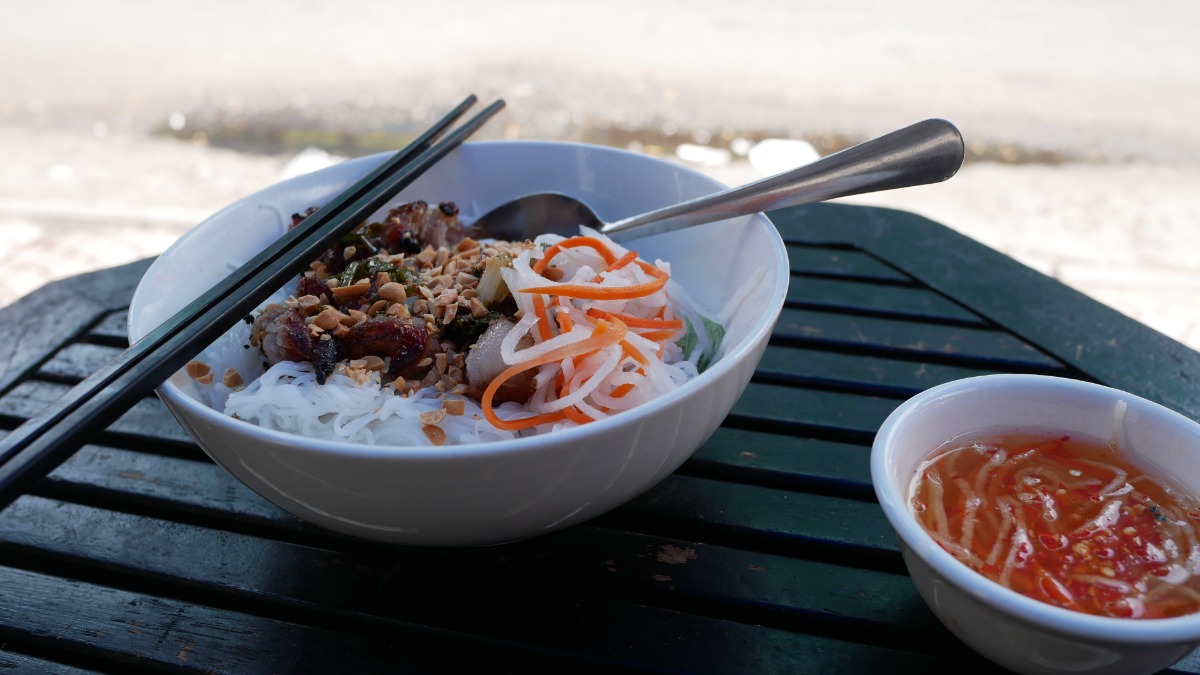
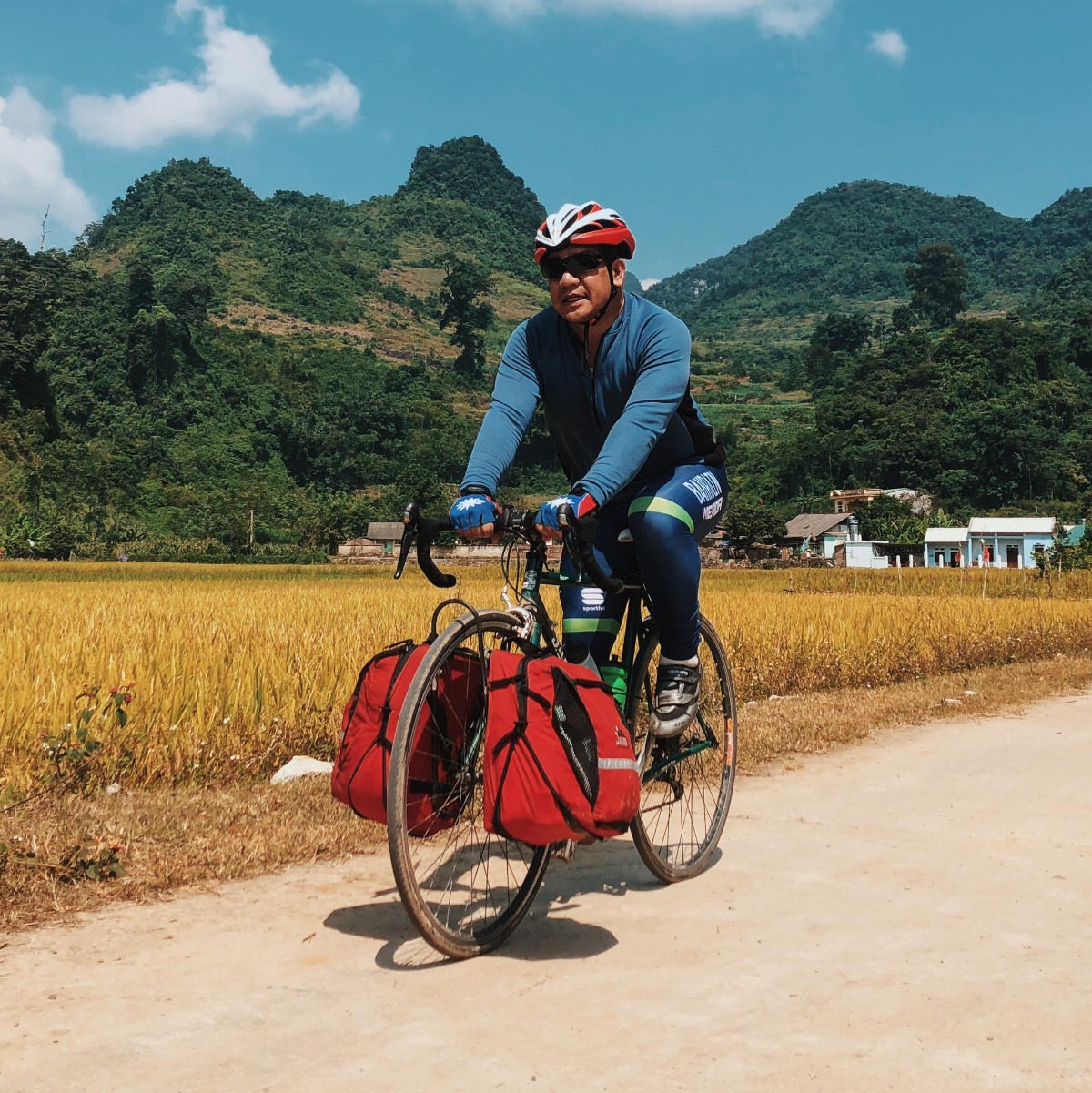
Because of the low-cost of living and my new found freedom from a 9-5, I traveled throughout Asia extensively---visiting China, South Korea, and Indonesia, cycled on a road bike in many cities, and enjoyed hanging out with friends at cafes, bars, and restaurants instead of fighting rush-hour traffic and hurrying through life as I was used to in America.
My observations
Asian countries are fast-developing.
Except for China and Japan, most of Southeast Asia has a booming, young working age population that is prime for driving the local workforce and economy.
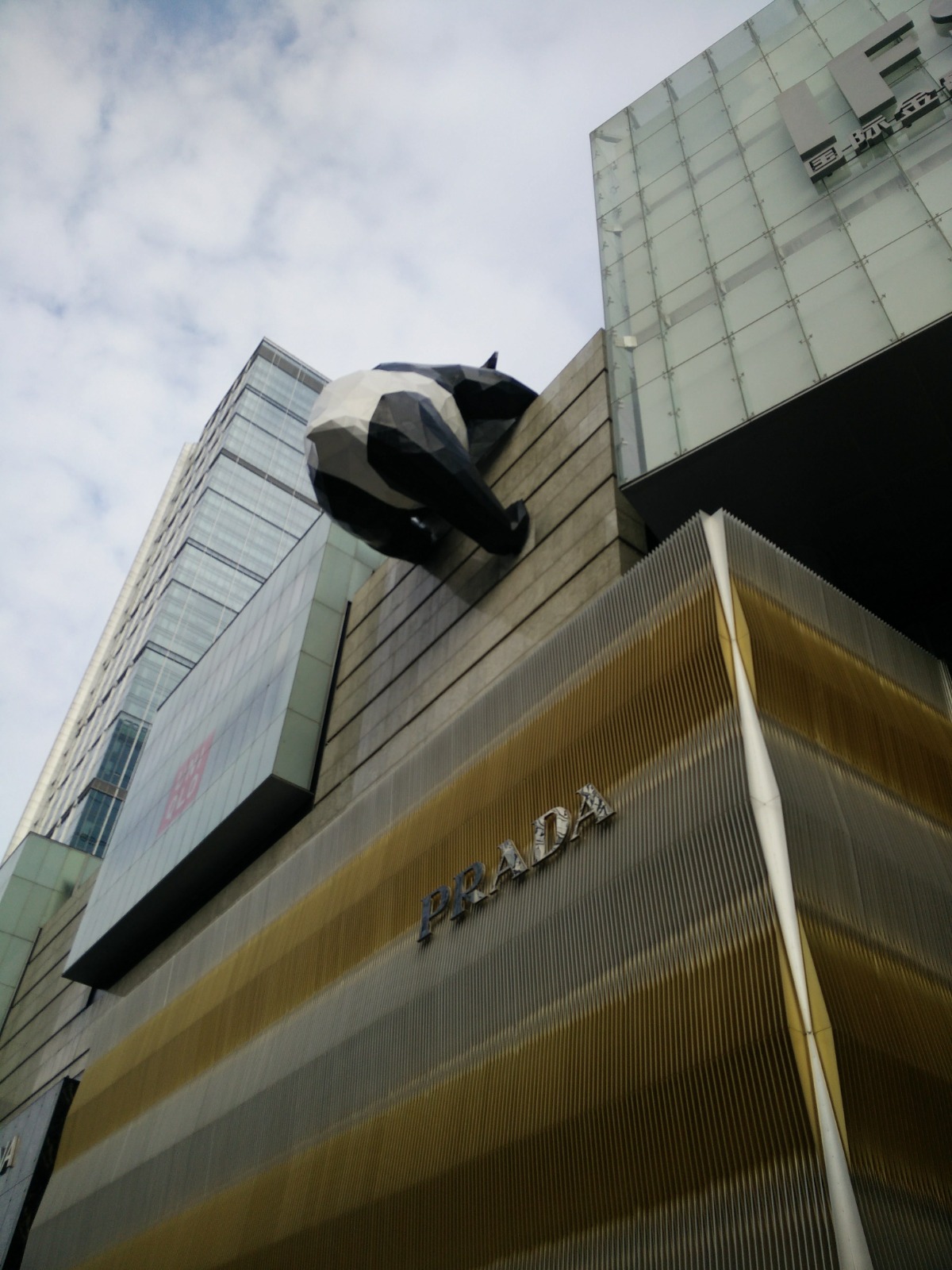
During my Asia travels, especially Vietnam, the country mimics China’s economic developmental rush I witnessed twenty years before.
In the major cities such as Hanoi, Danang, and Ho Chi Minh City, the skylines are dotted with construction cranes while job sites spew out head-jarring noises throughout the day.
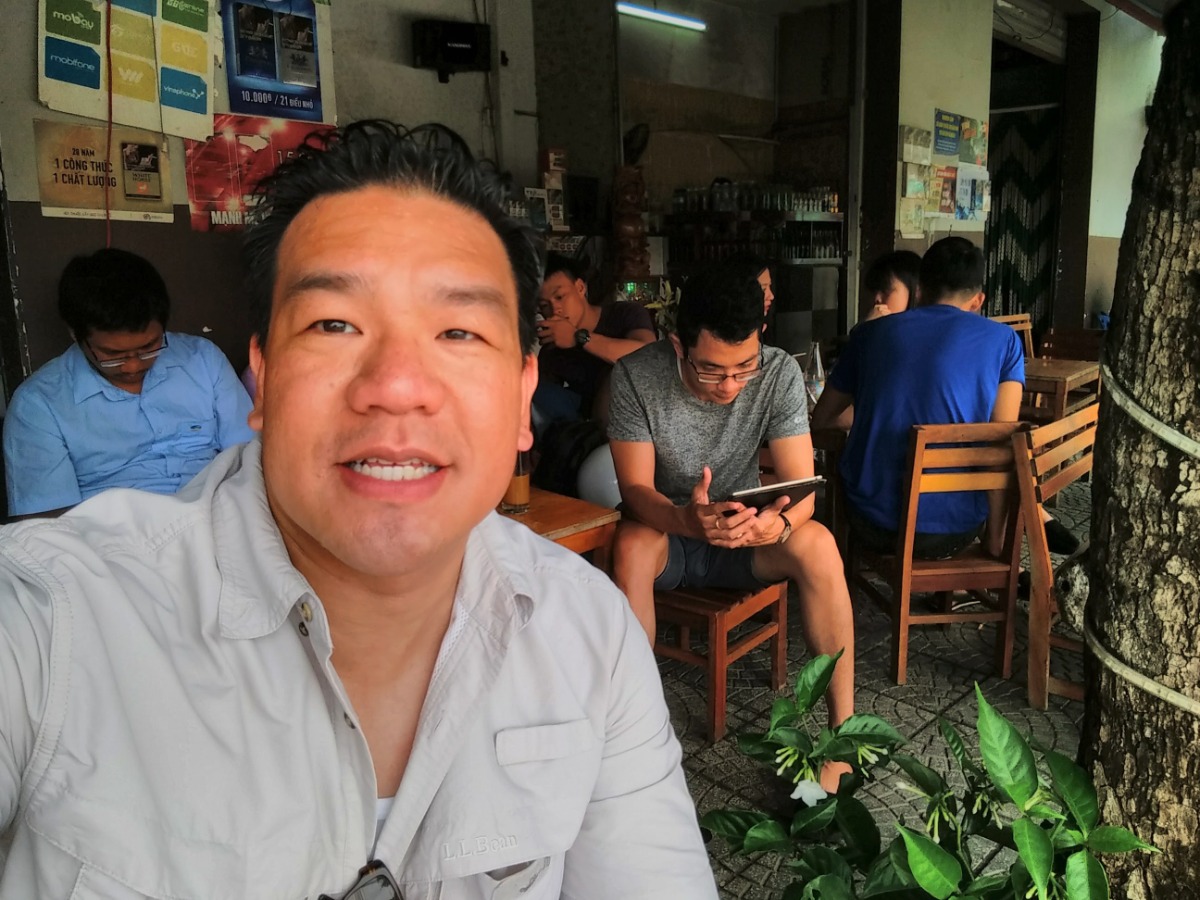
There is a sense of optimism in the air where in Vietnam office workers hurry off on their motor scooters to their jobs with a child in tow and 20s and 30-year-olds pile into cafes in the mornings and, by evening, over crowd the bars and nightclubs.
Asia seems to be fast-moving, in a hurry, and secure about its future.
The streets are safe, dynamic, and full of life.
Conclusion
Decades into the 21st century, Dr. Bohr’s Asia predictions are coming into fruition.
Not a day goes by where China doesn’t make the news whether it be the on-going trade war, its financial investment and infrastructure development in Africa and Latin America, or its progress in AI, EVs, greentech and 5G high-tech communications.
India and Southeast Asia are a close second as the booming economies of Vietnam, Indonesia, and Malaysia are starting to experience high economic growth, development, and investment.
Twenty-five years ago, I am grateful that Dr. Bohr inspired me to study and to engage with Asia and for my willingness to heed his call.
It’s been an amazing journey so far.
www.InternationalVinh.com
0 comments