
Introduction
In 2018, President Donald Trump levied tariffs on China-made goods, instigating the first US-China trade war.
As the costs became unbearable for many companies, they started to look elsewhere by shifting their supply chains to other low-cost alternatives such as Vietnam.
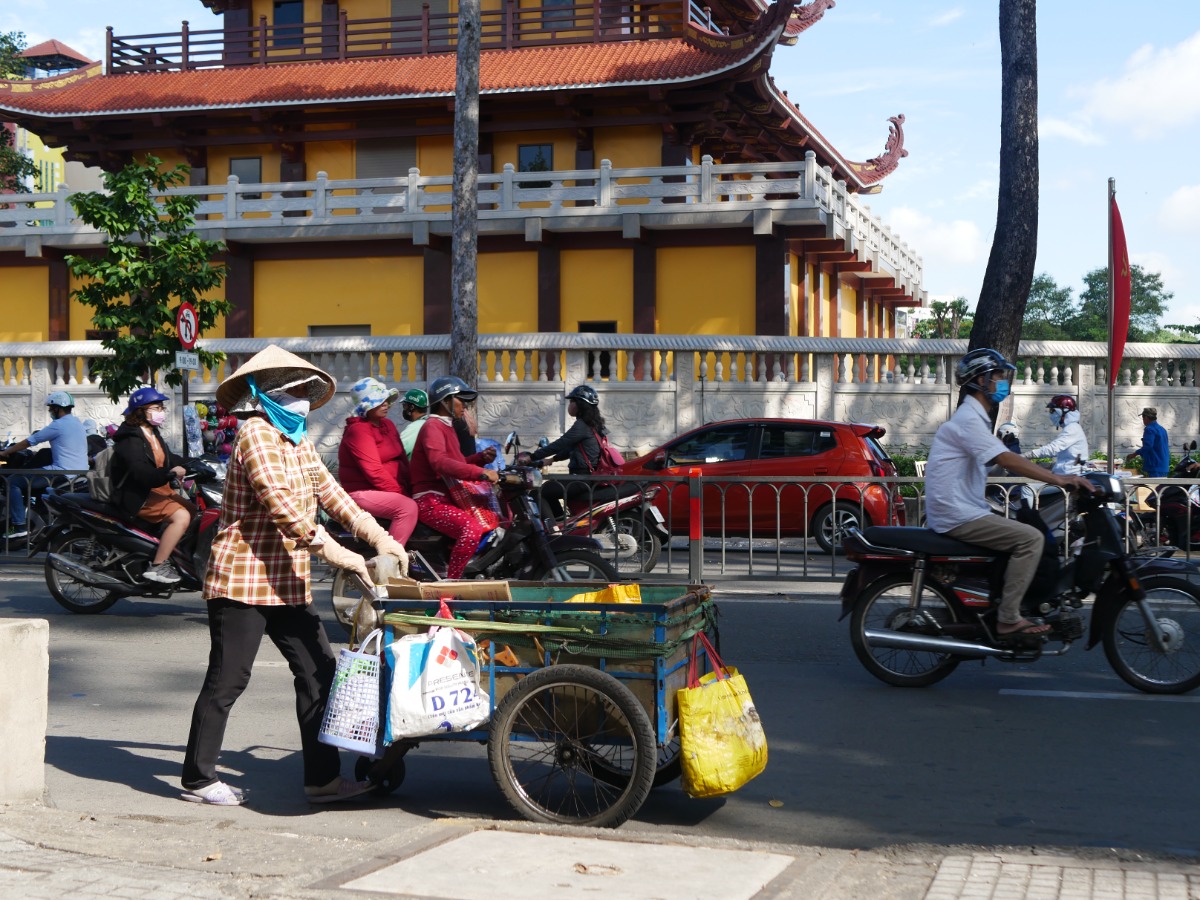
Ho Chi Minh City's bustling streets.
From 2019 to 2023, I was hired by a Chinese manufacturing and export company to establish their Vietnam office and start procuring made-in-Vietnam products.
The company’s consumer line spanned outdoor camping, DIY auto tools, LED lighting, garden supplies, and machinery designed and marketed for North American and European national hardware stores.

Hue City, Vietnam: The site of the famous Vietnam War battle.
My four years criss-crossing Vietnam provided a unique insight into the nation’s manufacturing rise, the complexity of cross-border trade and investment, and the race to avoid Trump’s 25% China’s tariffs.
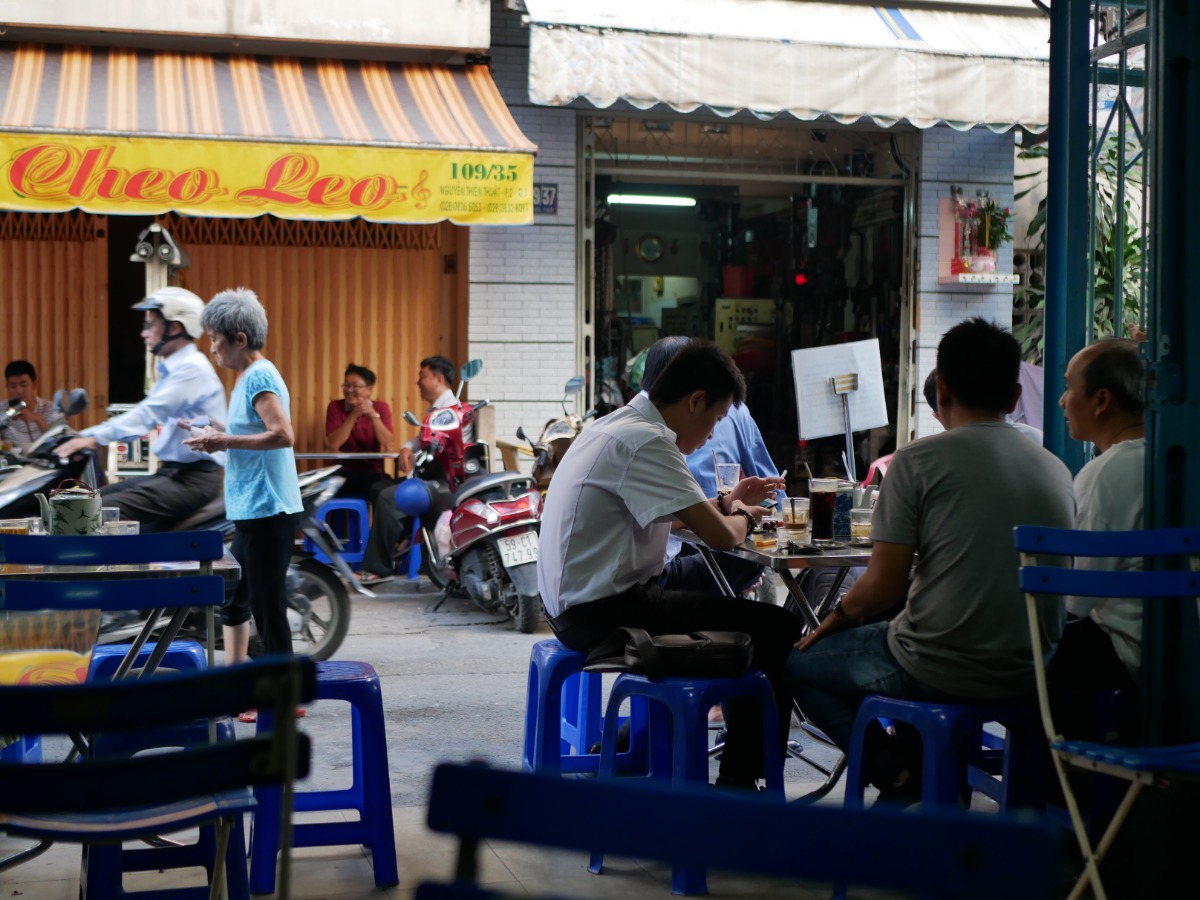
Vietnam coffee culture is like no other: Visiting Cafe Cheo Leo, the oldest coffee establishment, since 1938.
Vietnam manufacturing lay of the land
Vietnam is a substantially smaller country compared to its neighbor China.
Strategically positioned to its south, Vietnam is formed in an “s” shape, with a thin middle portion anchored by two larger ends.
While China boasts a 1.4 million population, Vietnam has only 100 million.
During my assignment, I was based in Ho Chi Minh City (formerly Saigon) in the south, a cosmopolitan and international city of 10 million that was fast-developing.
Most of my manufacturing site trips occurred in nearby Binh Duong province, about a 30-45 minute drive from Ho Chi Minh City where you will find several foreign funded industrial zones, including from Singapore, Taiwan, and Japan.
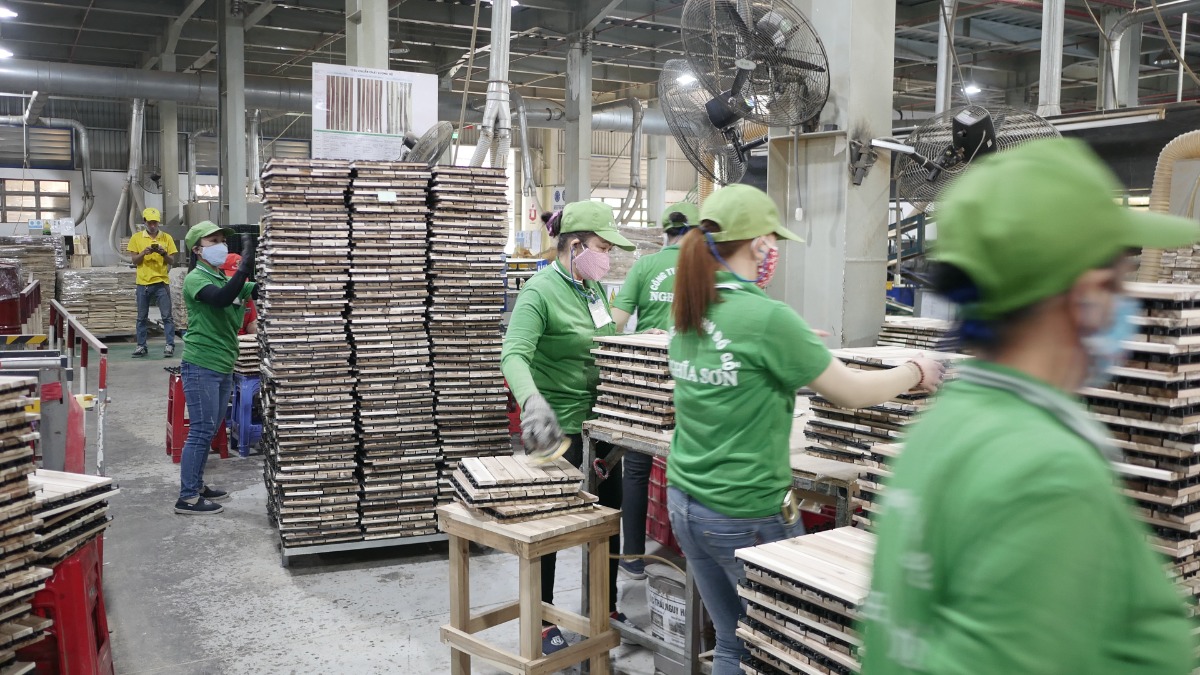
Quy Nhon City, on the central coast, is where a lot of wood production for patio furniture if produced.
Binh Duong is the seat of Vietnam’s manufacturing prowess where you will find textiles, home and garden products, indoor/outdoor patio furniture, machinery and equipment.
Take a look at your clothing, shoes, bed sheets and furniture. There’s a good chance they were made in these factories.
As I shuffled back-and-forth from these manufacturing sites, I couldn’t help but notice the highways congested with container trucks lined up hauling consumer goods heading to the ports for export.
Other trips would take me to the middle of the country to Quy Nhon, the heart of outdoor wood patio furniture and kitchen cabinet making and the more industrial north where I visited outdoor tarpaulin and LED manufacturers.
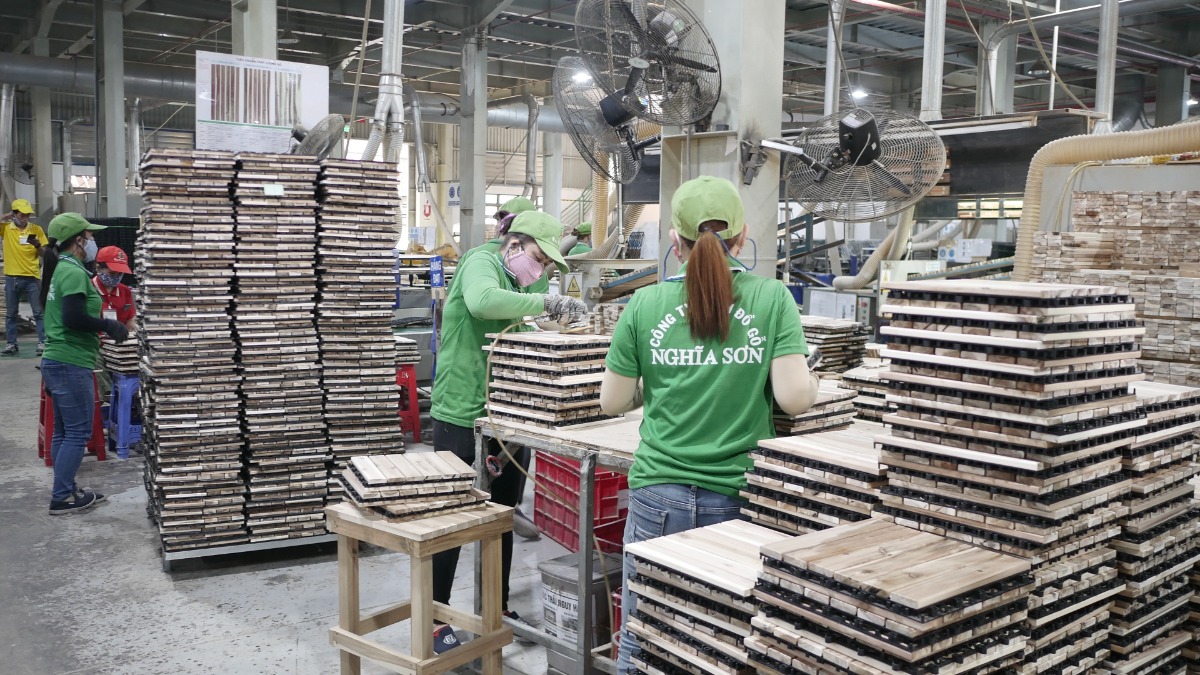
Many of these companies were, but not all, started, funded or operated by overseas Chinese from Taiwan or mainland China.
In a rush to beat the China tariffs, I also learned that made-in-Vietnam is not always simple and straightforward as most companies are reliant on China for components, parts, and supplies.
Conclusion
Despite Vietnam’s dramatic economic and manufacturing rise, compounded by Trump’s China tariffs, there is only so much that Vietnam can produce.
As foreign direct investment poured into the country and major American retailers and importers such as Walmart, Costco, Target, and the Home Depot started to look for a China plus one strategy, there were definitely a lot of growing pains as
Vietnam took up a lot of the slack.
While Vietnam is seemingly attractive for its comparatively lower labor costs and a younger workforce ($500/month), the country is hampered by lack of high skills, deficient wide-spread English proficiency, subpar infrastructure, and its reliance on imported Chinese materials.
Vietnam will continue to rise and steal a bit of China’s thunder, especially, during Trump’s China trade war 2.0, however, from my Vietnam manufacturing insight the country is constrained due to its much smaller size and lacks the expertise, depth and scope to match China’s manufacturing juggernaut.
0 comments