
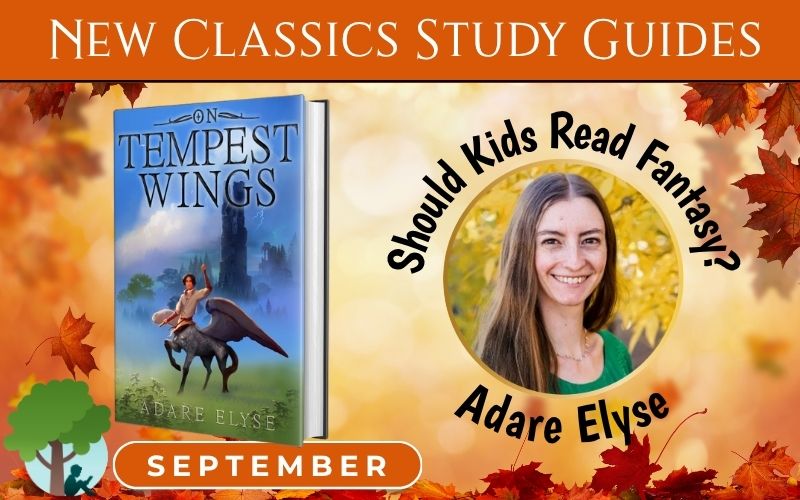
As parents, we want our kids to love reading and also have safe, appropriate books to read. In addition to the concerns common to every genre, such as foul language and adult content, fantasy raises another concern: magic. Is magic always evil? Is it beneficial or safe to read fantasy? Or is it better just to avoid the whole minefield and stay away from fantasy all together?
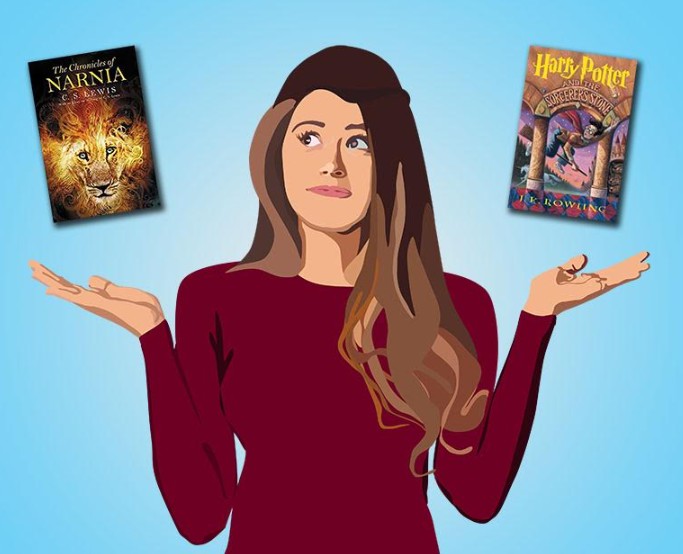
A mom recently mentioned to me that she felt comfortable with her son reading Chronicles of Narnia but not Harry Potter, and she didn't know how to explain her feelings to herself let alone her son. What makes these book series different from each other, if anything?
In response to this, let's look at two aspects of this issue. First, are there any benefits of reading fantasy? And if so, how can we do so safely?
⚔️ Benefits of Reading Fantasy
Fantasy actually has a lot to offer our young readers. It is essentially about the struggle between good and evil and how good triumphs over all. Here are a few lessons frequently found in fantasy:
We can battle the dragons in our own lives and come out victorious.
There is a true right and wrong, not just preferences.
Our lives make a difference.
We have been chosen to fight for what is right.
We have good reason for hope.
That is just a tiny taste of what fantasy can offer our children. If you would like to know more, I encourage you to check out my article 10 Ways Reading Fantasy Benefits You.
📖 How to Read Fantasy Safely
When it comes to fantasy, we need to exercise the same discernment that we do with any other genre to screen for content that may not be appropriate for our kids. Some fantasy stories have no magic whatsoever. But when magic is present, here are a few pointers for evaluation:
1.) What is magic?
Is magic considered anything a normal human on Earth cannot do? If so, then a person who can communicate to another by their thoughts is using magic. But, if it's a natural ability granted to the inhabitants of the fantasy world by its Creator, then that isn't really magic in that world. It's just an element that makes the book fantasy.
In Narnia, many animals can talk, but it isn't considered a magical ability. In Harry Potter, the setting is a fictionalized version of our world where only certain people can learn to do magic, and that is how it is perceived.
2.) Where does the magic come from? What is the source of its power?
If there is magic given by the fantasy world's Creator, that is not the same as witchcraft. Witchcraft is a learned skill of calling on supernatural powers to accomplish what the user desires. It is very different to use our natural God-given abilities than it is to seek our own power apart from Him or even from the Enemy.
In Narnia, what is called the "Deep Magic" is how the Creator of the world designed it to work and ultimately includes the law of sacrifice: that Aslan's death in Edmund's place actually brings forgiveness and new life. What a beautiful picture of what Christ has done for us! In Harry Potter, the source of the magic isn't as clear. Some people can use it, while others can't. Certain equipment or learned skills are needed to use it properly.
3.) Is the magic considered a good thing or a bad thing in the story?
All stories have villains that do bad things. While we do need to be discerning about how much evil is portrayed, if a bad thing is being shown as a bad thing, that is actually a good thing! And if a good thing is called a good thing, that is also good. It's being truthful!
In Narnia, the magic used by the evil witch, with its spells and cruelty, is clearly portrayed as evil. Contrast this with Harry Potter, where witchcraft is generally portrayed as a good thing, even though the villains also use it, which leads us to the next question.
4.) What does the magic look like?
Does it look like a natural ability or naturally learned skill, the way people in our world can learn to sing or play an instrument? Or does it have certain rituals, like using spellbooks or talismans, or even calling on supernatural powers? Does it look like what real witches in the real world do?
This is the line where Harry Potter more closely mimics the black magic used in our world that is powered by demons. The mom I spoke to about fantasy realized that this point of evaluation--as well as those above--gave her a way to understand and voice her concerns. She wanted to keep her son away from something that might make evil look good and lure him into actual real-world danger.
You Can Find Good Fantasy Books!
In this world, where we truly live in a struggle between the unseen powers of good and evil, it is wise to be cautious about the media we consume, regardless of genre. I hope this article has shown that fantasy has tangible benefits for young readers and provided a few easy points of analysis to determine if a book is appropriate for your child. If you're short on evaluation time, you can get great analyses of popular books on sites like Lorehaven, which curates and reviews fantasy books by Christians, or PluggedIn, which analyzes popular media. You can also sign up for book recommendations across genres from Clean Fiction Magazine.
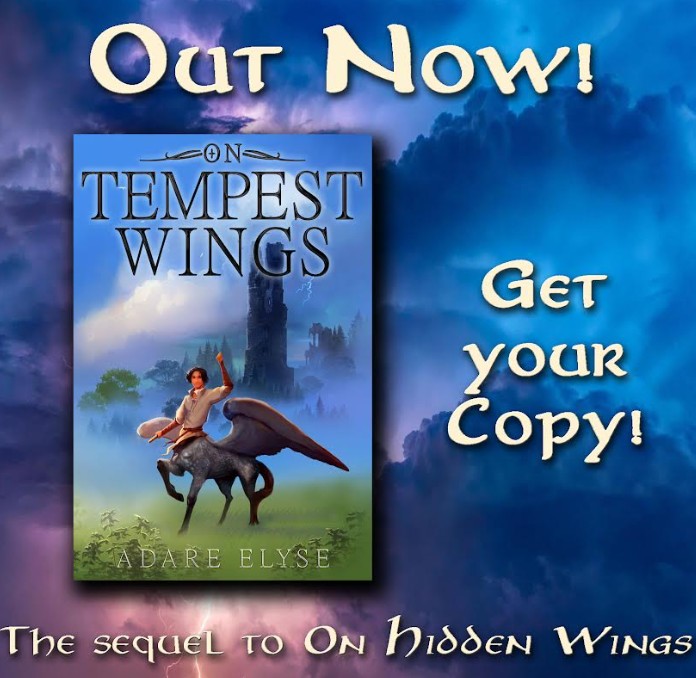
If you're looking for a safe fantasy story to start out, I suggest checking out my book, On Hidden Wings. I have a content guide available so that you can be comfortable knowing what is and isn't in the book. The curriculum is free on New Classics Study Guides. Plus, the second book in the series, On Tempest Wings, just released, so you can have more of a good thing!
Until next time, happy reading!

. . . writes middle grade and young adult fantasy and science fiction novels when she isn't busy dressing in medieval costume, contriving puns with her clever husband, or singing showtunes to her little Shireling. On Tempest Wings, the sequel to On Hidden Wings, just released. Learn more on Adare's website.

--------------------
You received this email because you signed up for our newsletter, entered a giveaway, or downloaded a freebie. Unsubscribe at any time.
0 comments