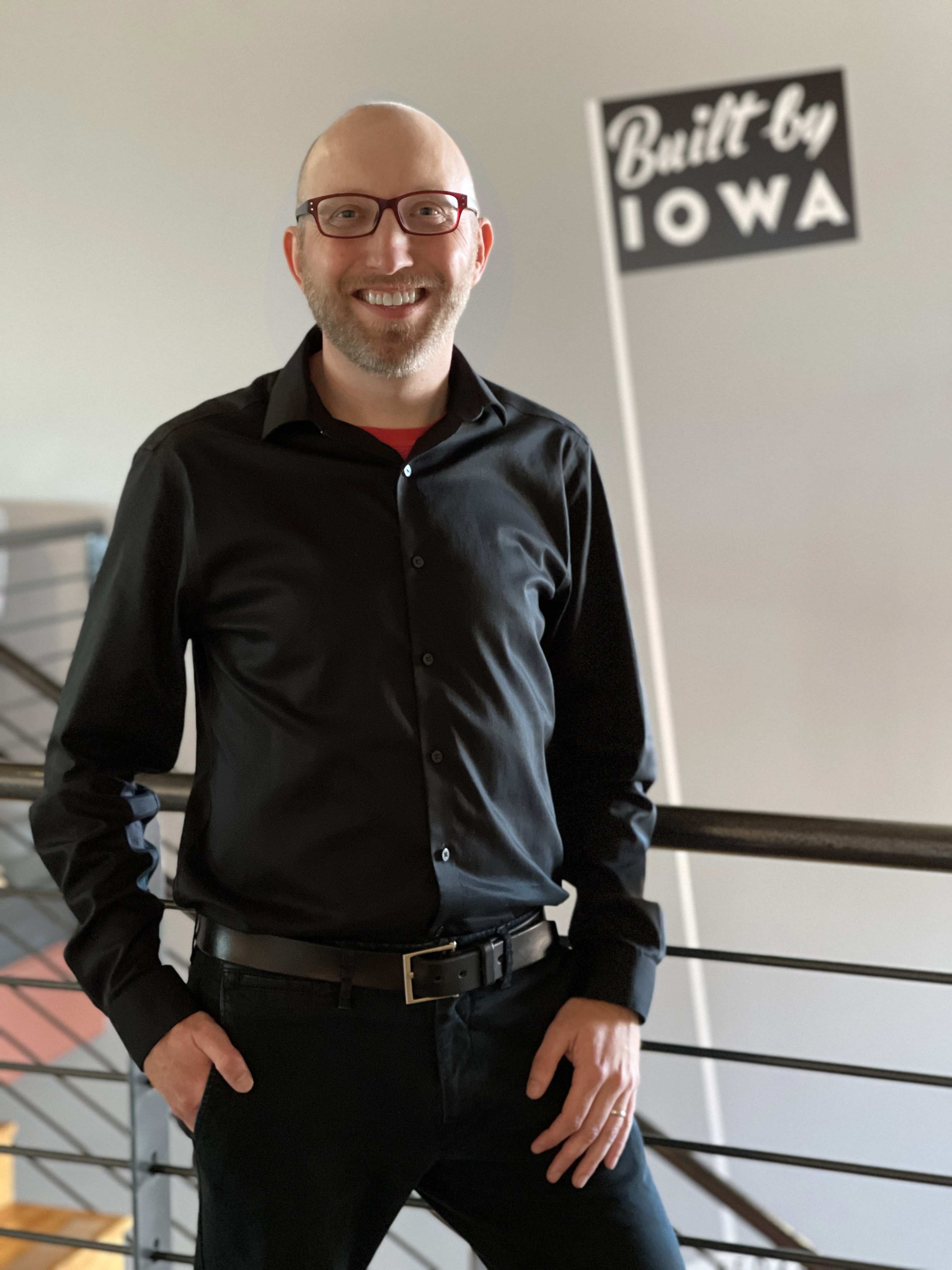
Last week I attended the Marketing AI Conference - MAICON 2026 in Cleveland, Ohio, my fourth year at the conference. SmarterX, founded by Paul Roetzer, puts on MAICON, and it has become one of my favorite annual events. I also grew up in the Cleveland area, so the trip feels a little like an annual homecoming to both my childhood roots and my technology family.
I came home with nearly 30 pages of handwritten notes. And I really mean handwritten. I currently use a Supernote digital e-ink tablet because it cuts down on screen time while keeping the feel of writing things down. The downside is that my handwriting can drift into something resembling a doctor's prescription, so I used AI to OCR and clean up my notes before turning them into this recap. That felt like a fitting example of where I think AI works best: helping us do more with human-created work, not removing the human from it.
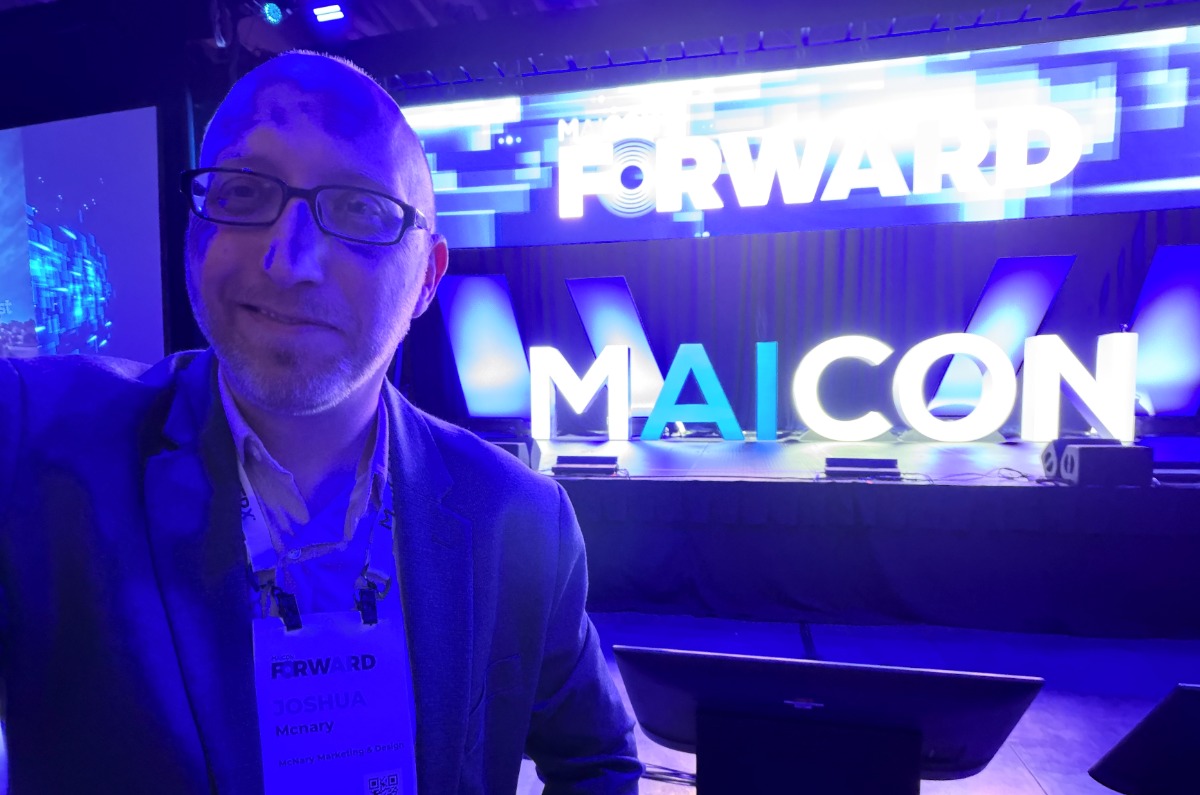
That's me at the end of the first full day at MAICON still smiling after learning alot to share with you [credit: me]
My biggest takeaway: AI is becoming less about the tool and more about the work. ChatGPT, Claude, Copilot, Gemini and the models behind them will continue to change. The bigger shift now is toward AI working inside business processes, accessing useful context, completing repeatable tasks, and increasingly working through agents and connected systems. The question is becoming less, "What can I ask AI?" and more, "What work should AI help us do?"
But here's another important takeaway: you are not behind. Most workers and organizations are still figuring this out. Teams are learning the basics, deciding what employees should use, working through privacy and governance, and bringing along people who range from enthusiastic users to those who are still AI-curious. We are all learning and growing alongside the technology. If you're reading newsletters like this, experimenting, asking questions, and paying attention, you're already doing the work required to avoid becoming a laggard.
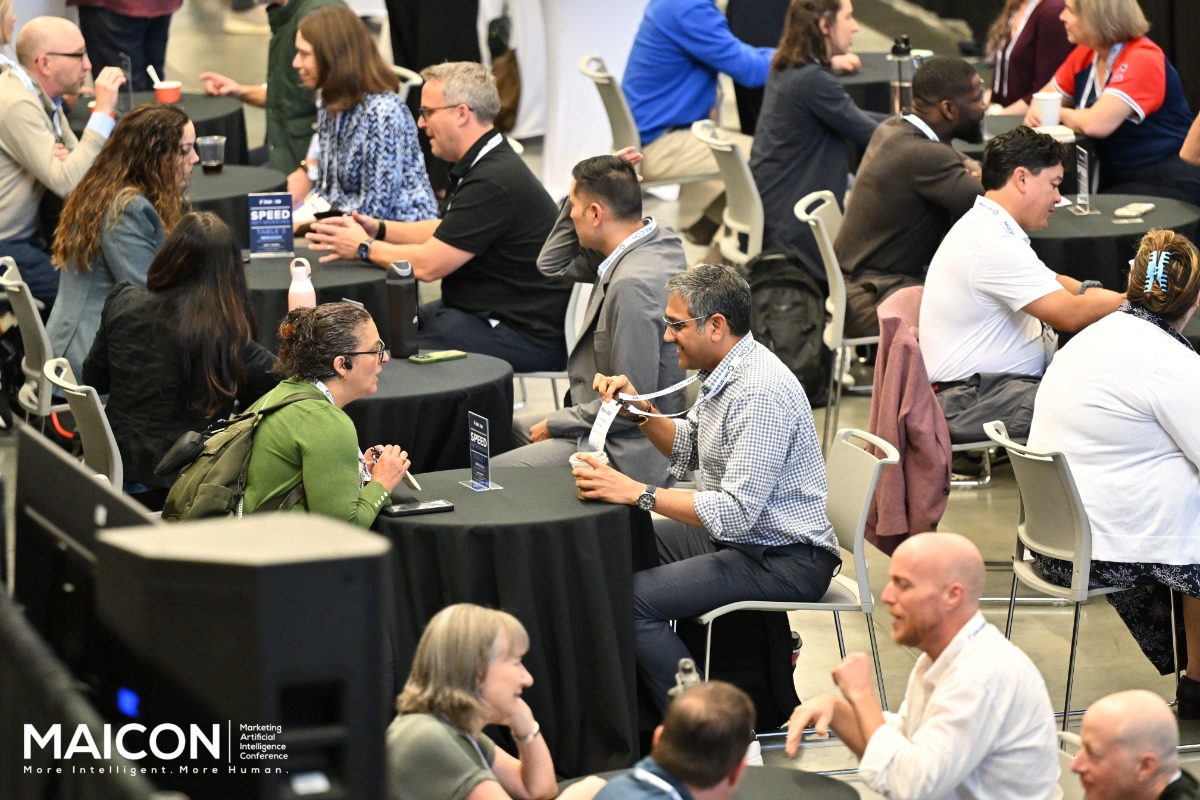
Speed-Networking: can you find me "Where is Waldo?" style in this photo? [credit: MAICON conference photo]
One framework that stuck with me came from Paul Roetzer, who talked about the human role evolving across three modes: architect, orchestrator and apprentice. The architect defines strategy, policies, frameworks and outcomes. The orchestrator manages how people, systems and AI work together. And the apprentice continues learning and doing the work with AI assistance rather than simply handing everything over to it.
That connects strongly with something I posted during MAICON: Artificial intelligence should serve us as humans. As capable as these tools become, the goal should not be removing ourselves from the work. We still bring judgment, relationships, accountability, curiosity, context and the ability to decide what a good outcome actually looks like.
That human-first idea came up repeatedly throughout the conference. Better questions. Smarter problems. Better human connection. Don't outsource your curiosity or your thinking simply because AI can produce an answer quickly.
The practical side of this is just as important. AI connected to bad data, incomplete documentation or a broken process does not magically repair the business underneath it. Sometimes it simply makes the problem move faster. The strongest opportunities I saw at MAICON started with purpose, process and people, then figured out where AI and other technology fit.
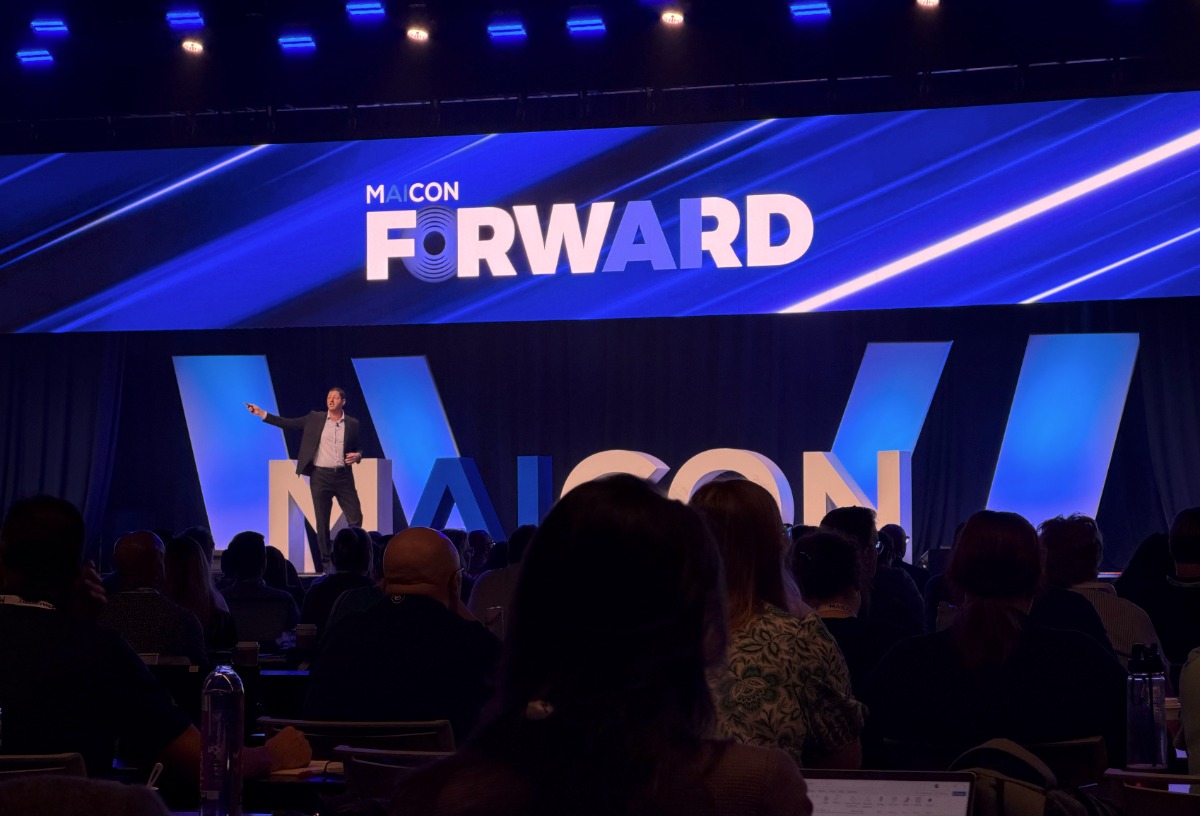
MAICON founder Paul Roetzer talking about three AI roles: architect, orchestrator and apprentice [credit: me]
So instead of chasing isolated AI tricks, start looking for repeatable work. A customer meeting can become a summary, tasks and follow-up. An approved proposal can become a project plan. SOPs can help an AI assistant guide an employee through a process. Customer conversations can be analyzed for recurring themes. None of those require a massive AI initiative. They start with work your business already does.
What I think businesses should do now
Pick real work, not AI experiments. Find one task, handoff or decision where improvement would matter.
Get your information in order. Good documentation and clean data become more valuable as AI gains access to more of your business.
Help people learn by doing. Start with actual work and let your team build confidence as apprentices with AI assistance.
Keep humans as architect and orchestrator. Strategy, judgment, accountability and relationships still matter.
Keep experimenting. Try something useful, learn from it, improve it and move to the next opportunity.
I left MAICON excited, but also thoughtful. There are real questions around jobs, privacy, energy use, data, the pace of change and what AI means for people and organizations. Those deserve serious attention. But sitting on the sidelines is not much of a strategy either. The practical opportunity right now is to keep learning, keep humans at the center, and apply AI where it genuinely improves the work.
That's a big part of what I'm exploring through the IA•AI community I helped co-found and increasingly with clients working through what AI means for their people, processes and technology. If you're somewhere between "We should probably be doing more with AI" and "We're experimenting, but we're not sure how to turn that into something useful," I'd love to help.
Send me a reply to this message or reach out otherwise. I'd be glad to compare notes and talk through what practical, human-centered AI adoption could look like for you individually or your team.
Your Tech Pal,
—Joshua
Disclaimer: I use AI to help write emails like these. I originate, review & edit all AI-assisted work I publish.
0 comments