
Forwarded this? Subscribe here

In This Issue:
The trust-building secret behind successful brands
How brands run undisclosed ads under the FTC’s nose
Physical marketing that needs zero technology
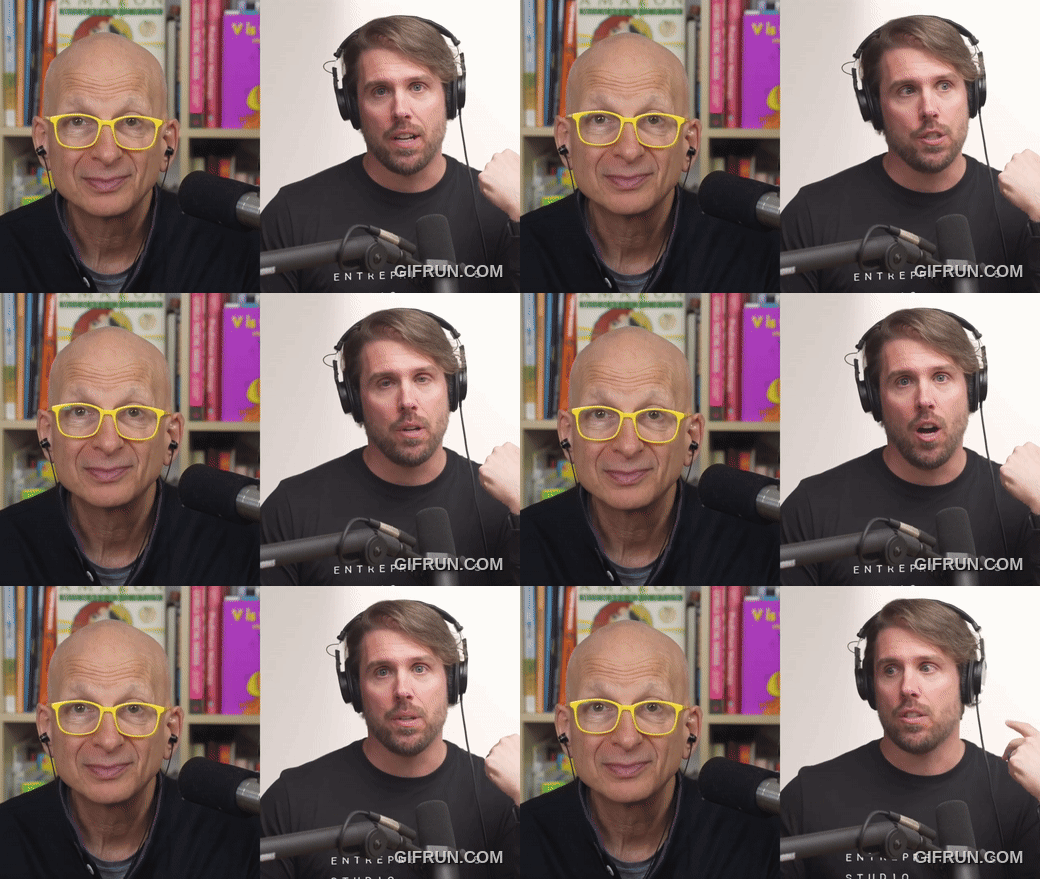
Source: How to Build a Remarkable Brand in the Age of AI
WORTH A SECOND LOOK
What Makes a Successful Brand ft. Seth Godin
Seth Godin has spent forty years teaching that marketing isn’t advertising. On the Entrepreneur Studio podcast, he illustrated this with a story about his broken boiler during winter’s coldest snap.
After calling four companies, the first technician arrived wearing slippers. Godin told him he didn’t need slippers for a basement job. The man said, "No, I wear slippers." Before touching any tools, he handed Godin a clipboard listing 25 neighbors within a mile who’d agreed to vouch for his work. Godin hired him on the spot, then called three of the references anyway. All three vouched for him.
While most businesses drown potential customers/members in claims, this technician built trust by making it:
Cheap (free references)
Easy (pre-vetted neighbors)
Instant (before work began)
Why it matters: If you’re building something, focus on becoming the easiest-to-verify option. Make it simple for customers to confirm you’re legitimate before they pay or attend. If you’re in the early stages and don’t have references yet, show your process. A customer who sees how you work doesn’t need a testimonial to believe you.
SOCIAL
Disclosure Watch
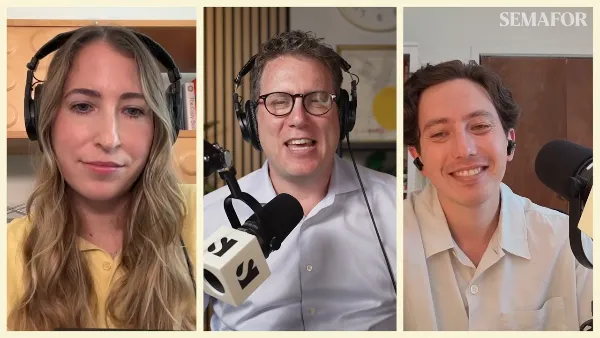
Social strategist Rachel Karten points to a format still writing its own rules: branded social shows that increasingly look like real programming. Some even feature:
Fully scripted writer’s rooms
“Showrunner” titles in creator bios
Zero disclosure of brand involvement
Karten says it plainly: “Viewers should know they’re watching branded entertainment. The account or biography should say who powers it.” She notes gaps: "I don’t think the FTC (Federal Trade Commission) is doing enough to address disclosure issues on social media. It often comes down to the ethics of the marketers themselves."
Why it matters: The FTC isn't catching most of this, so your compliance bar isn't "is there a disclosure?" It's "would people feel deceived learning this was an ad?" Most of the time, enforcement here works like a warning shot. Brands didn't stop free-using commercial music on TikTok because regulators swept every account, they stopped after a lawsuit landed. Don't be the case that does the changing.
Source: Semafor's Mixed Signals →
CREATIVE
Seen In The Wild
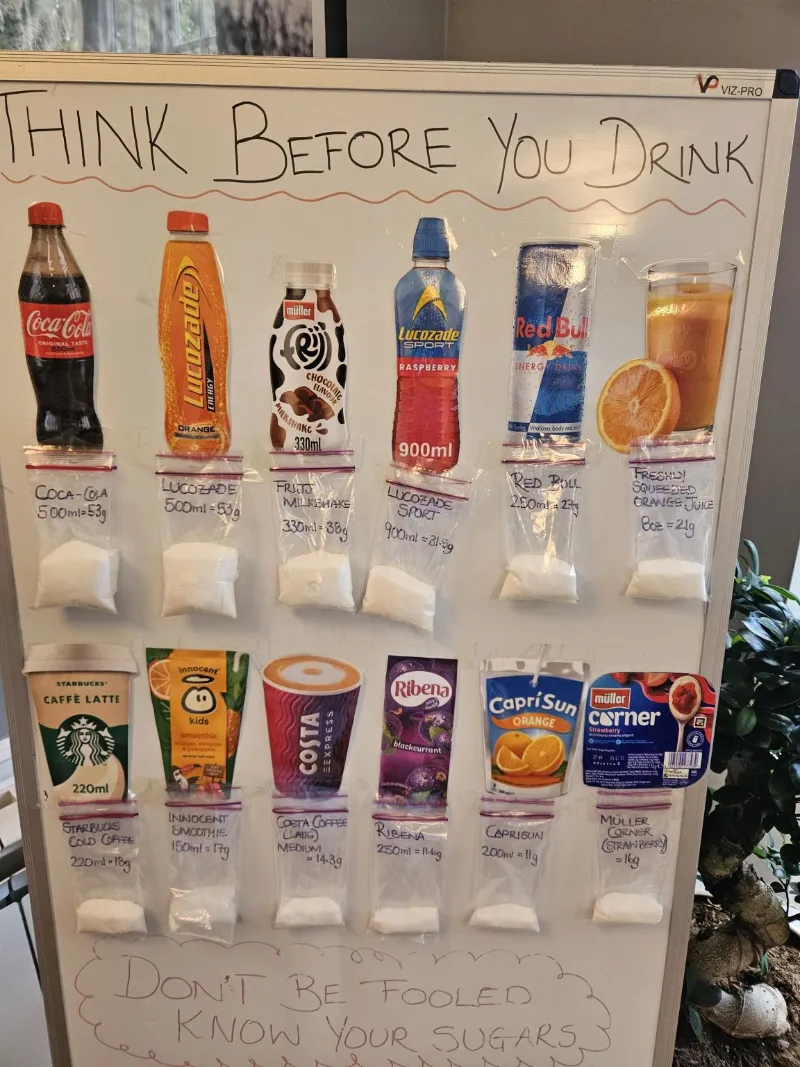
A UK dental practice bagged the actual sugar under each drink:
81.5g under Lucozade Sport
53g under Coca-Cola
21g under "fresh" orange juice
Why it matters: When message, medium, and context line up this cleanly, you don’t need a huge budget. Just proof in the one room where patients already think about teeth.
Source: Jeremy Garlick via LinkedIn →
If any of this sparked something, or you have questions, reply to this email. I read every one.

Talk soon,
Lionel | Marketing & Brand Strategist
0 comments