
Forwarded this? Subscribe here

In This Issue:
The craft trend is real, the aesthetic isn't
The history of the Arts & Crafts Movement
Instagram tells businesses to post less
Even the best work underperforms on the day it launches
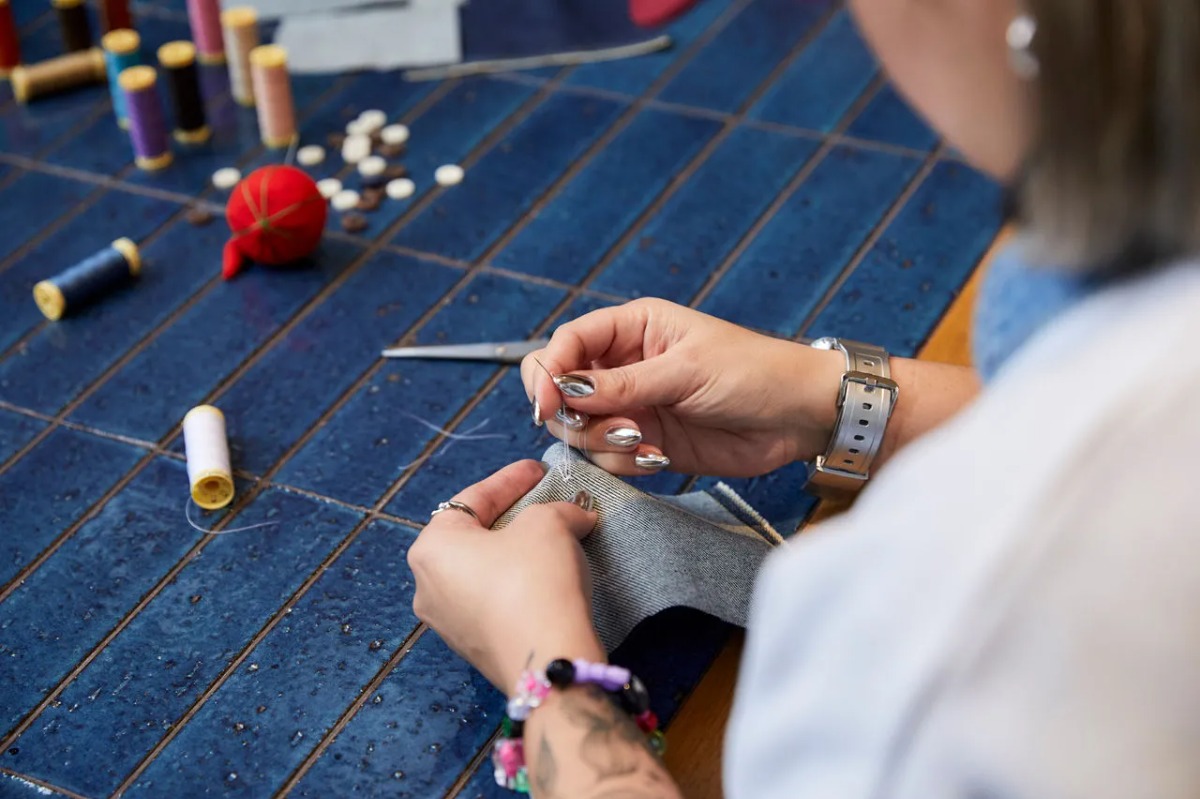
Source: Levi's Wear Longer Project
WORTH A SECOND LOOK
The Craft Trend Is Real, the Aesthetic Isn't
Handmade is one of the few universal proof points left that a person was directly involved in making an item, and it works for one reason: you have to invest time. Small batch. Visible imperfections. It means something to the maker. For some, it's baked into their brand identity. For others, it's a trend they're surfing until everyone jumps off.
DESIGN
The History of the Arts & Crafts Movement
Garrett Hendrickson at Designer walks through what happened the last time a technological leap forward made products faster, cheaper, and... worse, and the movement that rose up against it. Sound familiar? The private press work to come out of that pushback is often cited as the birth of modern-day graphic design. The movement itself still failed, it never stopped the industrialization it was fighting, and it turned handmade goods into objects only the wealthy could afford. What outlasted the politics was the aesthetic.
Why it matters: One of his closing questions: if design becomes an economy of time, does time itself become the currency? Here I was looking at brands as a signal of culture. He's saying the ramifications could be much larger.
SOCIAL
Instagram Is Encouraging Businesses to Post Less
Instagram just told businesses to stop posting every day. 3-5 posts a week, on a schedule people can count on, and consistency over volume.
Why it matters: The platform is now openly arguing against the behavior it spent a decade rewarding. Volume stopped being a signal there for the same reason it's stopping everywhere else: when everyone can produce infinite output, output stops telling anyone anything.
CREATIVE
Even the Best Work Underperforms on the Day It Launches
Ernest Meissonier was the most famous painter in nineteenth-century France. A member of the Académie des Beaux-Arts and founding chairman of the Société Nationale des Beaux-Arts, Meissonier drew crowds so large they required police control. A decade after his death, he was forgotten by the art world. He read his audience perfectly, and that turned out to be the trap.
Designing to the reaction you're getting right now means designing for the past.
Why it matters: You don't want to build a campaign on a reference that is already bubbling up everywhere. Catch one showing up in two or three unrelated places and you've found it at the beginning instead. A flat reaction and an early reaction feel the same when you're in the middle of them. The only way to differentiate is by who reacts, not how many.
If any of this sparked something, or you have questions, reply to this email. I read every one.

Talk soon,
Lionel | Marketing & Brand Strategist
0 comments