
Forwarded this? Subscribe here

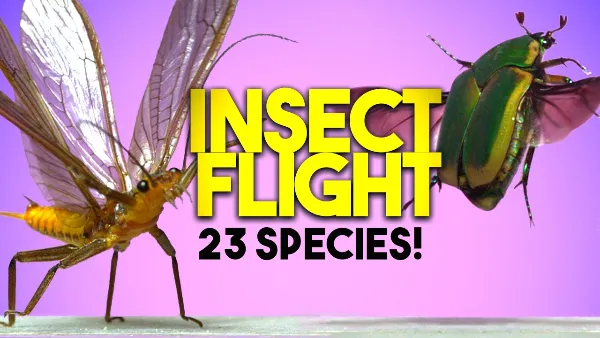
Insects are kind of magical. If you pass over them casually, you will completely miss the details right in front of you. I caught a compilation of insect flight videos this morning (the joys of having breakfast with my husband, link above), and I was gobsmacked by how their wings unfolded. Some unfurled one section at a time while others just shook twice, tumbled, and buzzed into the air.
Why did I never notice this before? Nature moves with such intention when you actually look.
We often rush past things and call them interesting without ever stopping to see them. I include myself in that, most days.
Media does the same thing. Big swings get you initial attention, but the small ones get you remembered. The Easter egg buried in the scene and the subtle joke that nobody had to explain because the reaction gave it away. Small details are what people screenshot and share with a friend. Big swings just get watched.
In This Issue:
Hinge turned five couples' real conversations into an audiobook
What algorithms are rewarding "social shows"
A font built to fool AI scrapers
Starbucks is asking baristas to become its content team
Gen Z is quietly moving retirement money into sports betting
Source: No Ordinary Love, Substack
WORTH A SECOND LOOK
Hinge Turned Its Users' Most Awkward Conversations Into an Audiobook
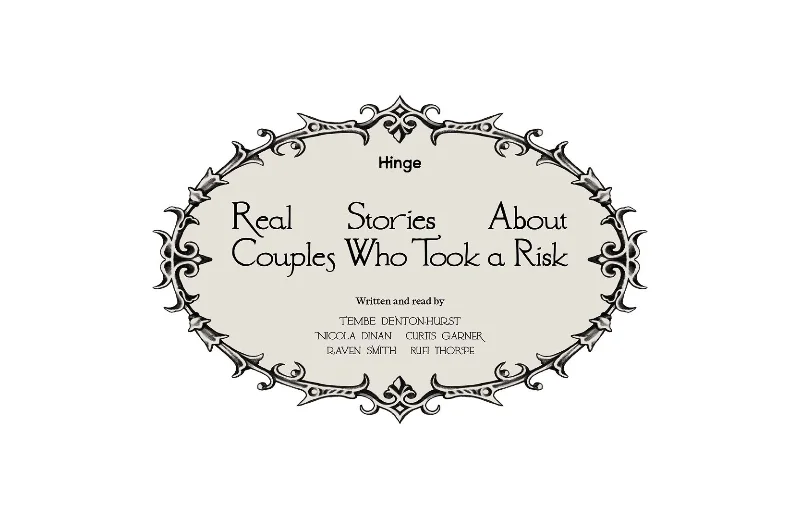
No Ordinary Love just entered its third year. Hinge matches real couples who met on the app with published authors, who then turn their actual early-relationship texts and conversation spirals into narrated short stories.
Why it matters: Hinge is playing this smart. Rather than buying influencer placements to talk around the anxiety it's selling against, the brand names it directly, then turns its own users' real stories into the content itself. Using its own community this way does more than generate content; it shines a spotlight on how its members actually feel about dating.
A recent Psychology Today survey found that 29 percent of men and 38 percent of women ages 25 to 35 have never been on an actual "date," citing low resilience after rejection and growing app fatigue as some of the top reasons why.
Romance book sales have doubled since 2020, with BookTok turning it into one of publishing's biggest growth stories. Hinge's audio series sits squarely at that intersection, a company romanticizing the idea of relationships at the exact moment its own users say it feels hardest to find. For anyone in the dating pool, this lands less like a stunt and more like a public admission that relationships are not easy, and worth it anyway.
SOCIAL
Social is the new T.V.
Rachel Karten, who writes top-tier (if not THE best) social media commentary columns out there, made a point recently worth repeating: brands need a "social show," a recurring, focused format instead of a grab bag of disconnected posts. Accounts without a clear focus get a "cold start," meaning the algorithm has no test group to send a new post to, even if the brand has over a million followers.
Why it matters: First, audit your social profile and feed to clearly define your niche. It's less about aesthetic and more about function. Then, nail down a sustainable, repeatable format. It's not about having a large budget, but a point of view and something bingeable.
Also, here are three "social shows" worth looking at:
Chicken Shop Date (which is apparently getting a Hollywood adaptation)
QUICK TIP
A Font That Feeds AI Scrapers Nonsense
A studio called Seneda & Abrucio, working with the type foundry Playtype, built a font called ShieldFont. It changes key words in a page's underlying code for decoys, then uses glyph substitution so people can still read it. That means scrapers pulling raw code get the decoys instead. In testing, roughly 90% of scraped chunks got rejected by filtering systems after the swap.
Why it matters: AI continues to shift. This raises the cost of data scraping, which right now is the only real lever a site owner actually has for protecting their content.
BRAND MOVE
Starbucks Wants Its Baristas to Be Its Content Team
Starbucks is piloting a program that asks baristas to create social content about their work life, which gets reposted through official Starbucks channels. The company frames it as "a relevant development opportunity that resonates with Gen Z," who make up most of the barista workforce. The announcement makes no mention of compensation.
Why it matters: This tracks with the same shift flagged with Disney's TikTok deal that I mentioned last week. Big brands are getting content out of the people already inside their system instead of paying for it. This is worth watching to see whether it holds up once the pilot launches, but I'm not so sure. This article by Digiday talks about the program's potential challenges.
WHAT TO WATCH NEXT
Gen Z Is Betting Its Retirement (Literally)
A new Betterment survey found that 26% of Gen Z investors count sports betting as part of their long-term financial strategy, versus 14% of millennials and just 1% of boomers. More than half say they've diverted money originally meant for investing into betting at least once this year. Betterment's own CEO didn't mince words: "When a prediction market or sportsbook starts to feel like a retirement strategy, we have a problem."
Why it matters: Housing and the cost of living have pushed traditional milestones out of reach for a lot of this generation. If you're building a brand for a younger audience, these are the actual financial pressures they're making decisions inside. If you don't keep that in mind, your messaging risks sounding tone-deaf.
If any of this sparked something, or you have questions, reply to this email. I read every one.

Talk soon,
Lionel | Marketing & Brand Strategy
0 comments