
Forwarded this? Subscribe here
THIS DOESN'T SIT RIGHT
When Ownership Becomes a Subscription

You buy a printer. Months later, it stops printing while ink cartridges remain half full. HP designed its Instant Ink subscription to disable the cartridges if you cancel. This hidden clause reveals how companies sell you products that stop working on command.
Good subscriptions fund specific ongoing value. Take GM's OnStar. You are paying for live emergency support, and for the cellular infrastructure and people behind it. Companies cross a line when they lock hardware you've already purchased.
What Happened
BMW sold subscriptions for heated-seat features. The company kept the hardware in its cars.
HP sells Instant Ink alongside its printers, usually with a few free months up front. Plans start at $0.99 a month for ten pages. Cancel, and the cartridges in your printer stop working, even with ink still in them.
Ford filed a patent application for software that would monetize in-car conversations. Ford later told reporters that the ideas described within a patent application should not be viewed as an indication of its business or product plans.
What It Cost Them
BMW walked away from the revenue line entirely after 14 months of customer backlash. The seats it built a subscription around are now free, permanently. The stories still follow BMW.
What This Means for You
Equivalent practices show up as:
Charging onboarding fees atop retainers.
Blocking essential functions after trials.
Putting up unnecessary signup walls.
How You Can Fix This:
Add up what it costs you to win one new customer. Then ask whether giving away the thing you currently charge extra for would bring in more people than that spend does.
Identify your equivalent of OnStar's live agents, then charge only for that.
Canva gives its core design tools away, and roughly 16 million people have chosen to pay anyway. What ongoing service justifies recurring payment? Brands thrive when communities adopt them, not endure them.
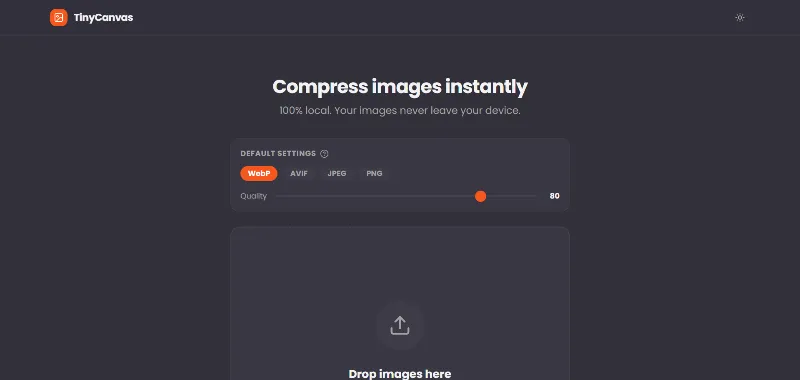
I've started building a small set of no-cost tools and rolling them out one at a time. No account, no email, nothing held back for a paid tier.
The first one is live. TinyCanvas compresses images right in your browser. Drop a file into it, pick a format and a quality level, drag to compare the original against the compressed version, and download it. Your images never leave your device because nothing gets uploaded in the first place. I created it for the websites that I design. Serving images as WebP cuts load time significantly.
If any of this sparked something, or you have questions, reply to this email. I read every one.

Talk soon,
Lionel | Marketing & Brand Strategist
0 comments