
Hope you're well ,
I'm surprised it's taken so long to write about this.
Today I've thrown in a few memes, hope you like.
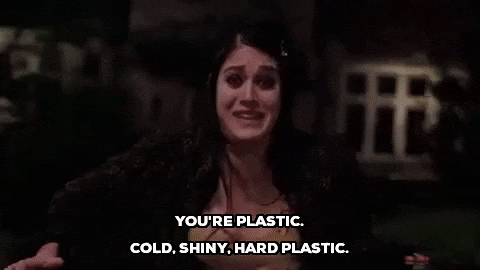
This email will take you through history -> problem of overuse -> health challenges -> solutions
VERY short history of plastic
We learnt how to make plastics at the start of the 1900s. And whilst WWII accelerated our development for heavier plastics, it was the cultural changes from the 50/60s that celebrated and adopted a new era of cheap, single use product use.
It's incredible to think that even our Great-Grandparents would be shocked at how single-use things have become.
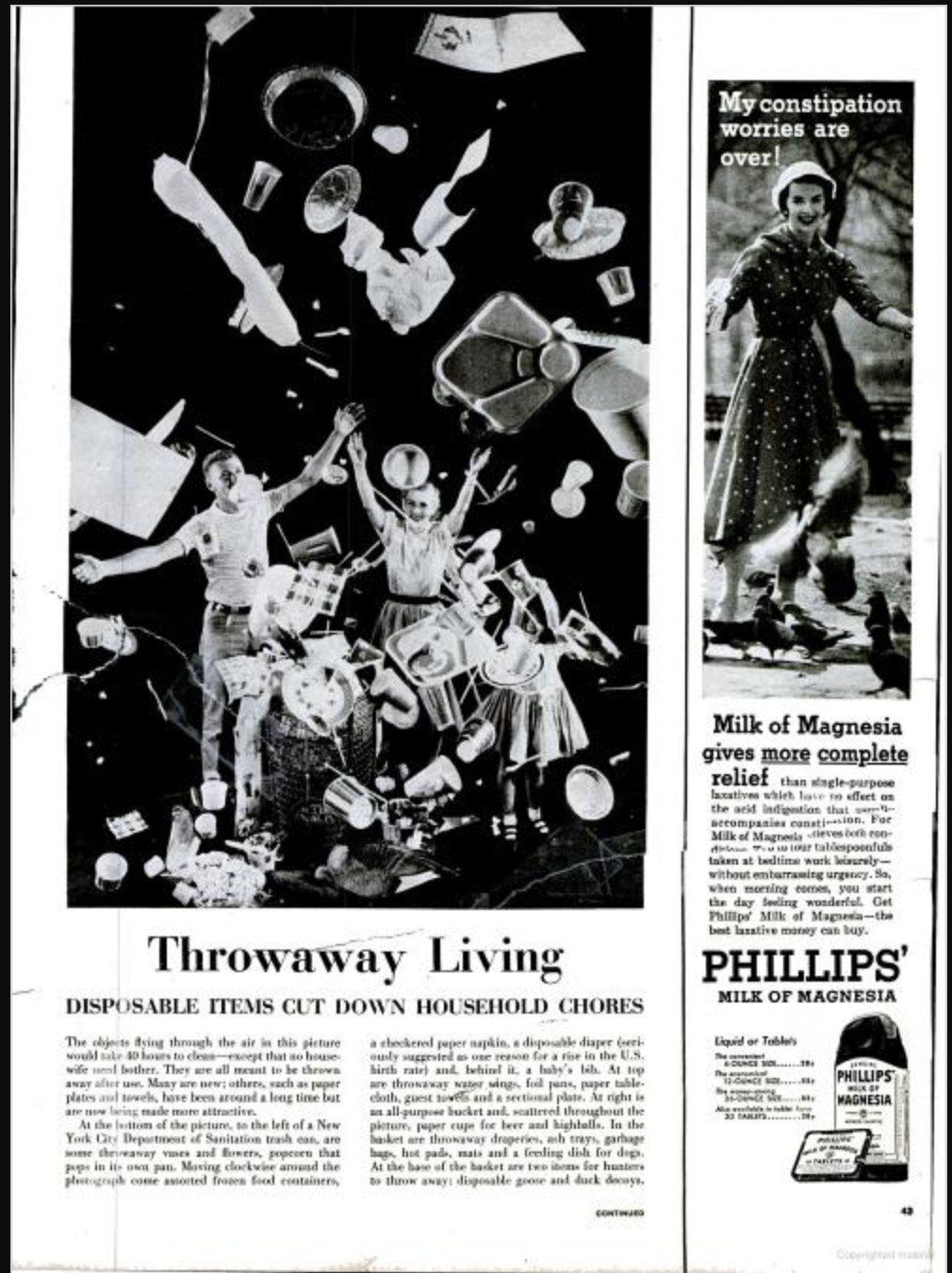
See here an article called "Throwaway Living" from 1955's LIFE magazine celebrating our new ability to throw things away rather than wash up.
The main properties we admire in plastic: durability, resistance to damage and incredibly cheap cost to produce have now become their biggest problems.
Plastics are formed by long chains of hydrocarbons which are incredibly stable once made. In life's 3.5 billion years of evolution, we've not really met these compounds before, so there's almost nothing to metabolise or break them down.
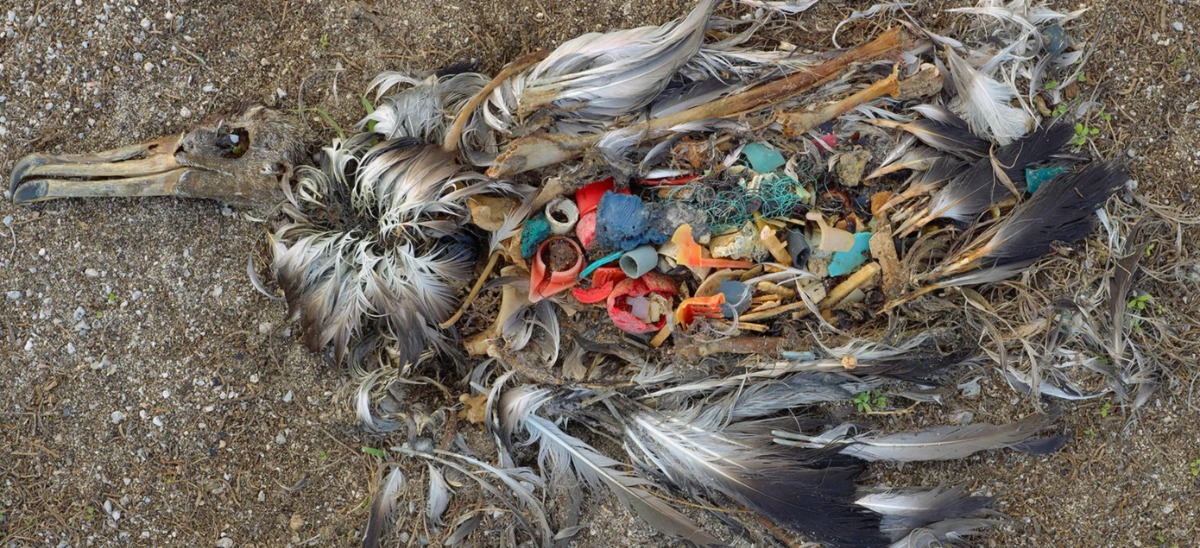
No matter how much our birds are trying...
If William Shakespeare had been drinking from a plastic coke bottle, we'd likely still see traces of it now - 450 years later lying in a gutter near the Globe.
The problem is we've effectively got no good way to destroy plastic.
We think recycling is the solution - but here's the truth.
- Thinner plastics are seldom recycled in the UK - they are too challenging for the technologies.
- Thicker plastics used to be sent away to be 'recycled' with much of this just being shipped to South East Asia for them to either leave, or burn.
- Recycling plastic can only be done a few times before the plastic chains break - meaning they are not that recyclable anyway.
- Sorting the various plastic types sent to recycling is costly (when people actually clean them), so some hard plastics get lumped together. Because these blends of plastic are not the same, the resulting recycled plastic is worse quality.
- It's still much cheaper to make new plastic than do anything with the old.
- Plastics are almost a bi-product of the petro-chemical industry - so they're ridiculously affordable.
Cut to 2026 – humans have now produced more plastic than the total mass of all animals on Earth. It's estimated we recycle just 9% of the plastics we make.
Our oceans are flooded with it. On current trends, there could be more plastic than fish by weight within the next few decades.
And we invented it less than six generations ago.
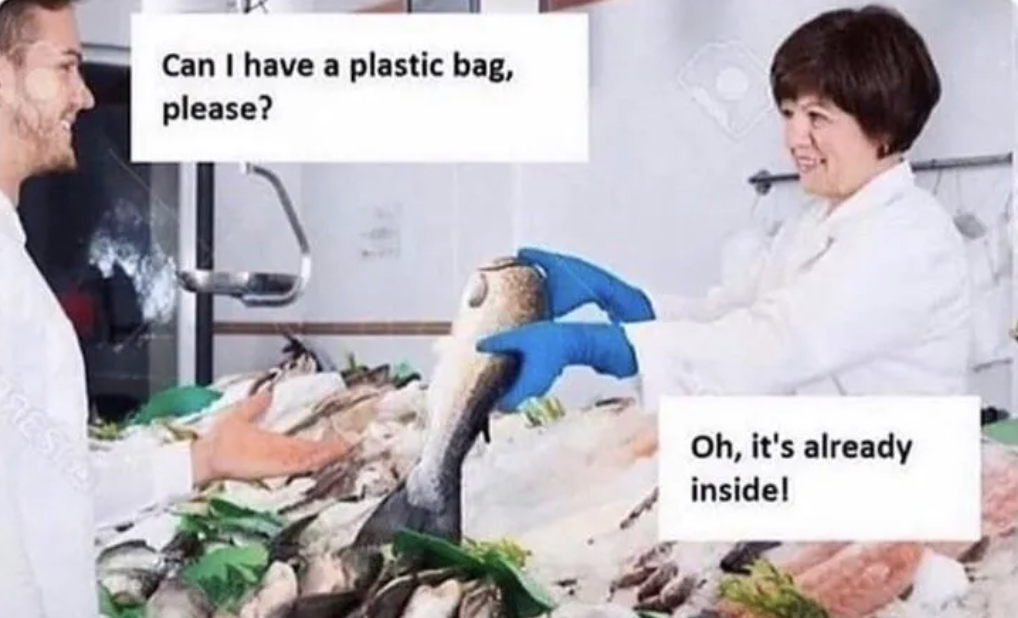
But today's email is not about the environment.
(But know that reduction is the best way to fight this).
Today's is about your health.
When you think of plastics, you've probably heard of microplastics, and maybe words like BPA and Phthalates too.
When we talk about plastics, we're also talking about the chemicals that are added to the plastic chains to alter their properties - making them softer, harder or more heat resistant.
Think of putting bike oil on a rusty chain. The oil has altered the chain, but isn't tightly bound to it. In this way, when we rub, stress or heat these plastics, the additives (bike oil) leach back off, and into us.
Microplastics themselves are exactly what they say they are - very small bits of plastic. They can be less than a hair's width wide - and so small that they move across tissues, into cells, and can remain there... forever.
We see microplastics in the heart, lungs, brain even passing across breastmilk into infants. They're in our tap water, our table salt, our coffee, and the air we breathe.
And, whilst stable, these plastics still cause damage to us:
- They cause Oxidative Stress.
- They lead to inflammation across tissues
- They interrupt our natural endocrine signalling - associated with changes in fertility, development, cancers and regular hormone functions.
None of this is great for us.
There's a whole body of research noticing a causative link between
- Fertility rates (sperm counts have dropped over 50% in 50 years),
- Foetal development (shortening of distance between the anus and penis in boys),
- Even in other animals (Alligators with smaller penises as just one example).
One of the things I wasn't fully aware of was the damage of Phthalates and BPA - common plastic additives. Due to their shape, they mimic and block vital hormones like oestrogen, upsetting hormone regulation. In other words, the body thinks it's getting a signal when it isn't. This has been linked with the disruption of foetal sexual development, causing lasting damage.
So, what can we do about this?
Stop letting plastics in.
Here are some of the easiest ways to protect yourself and loved ones.
PS: Further down, I'll tell you the replacements.
a) STOP cutting on plastic chopping boards.
This is such low hanging fruit it's unbelievable. You can literally see the small plastics come off the boards. Get to wood or even glass today.
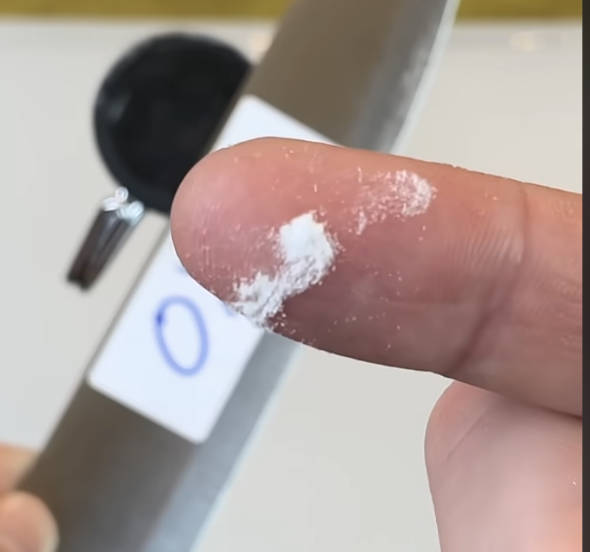
b) Avoid heat and plastic - that means plastic tuppaware - especially for the microwaving process.
A little aside here. A cardboard coffee cup from Costa is actually lined with plastic. (When you think about it, how can the cardboard hold fluid?) Sadly this is also true for anything canned - soups, tuna etc.
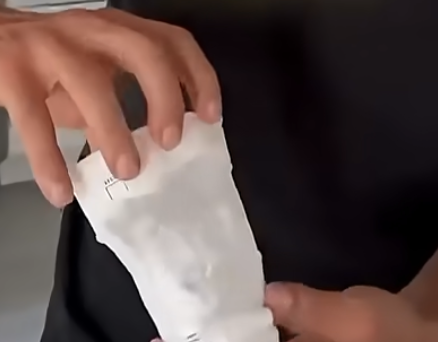
c) Avoid drinking out of plastic. This applies to both single use bottles of water, diet coke, huel - but also your sports plastic water bottles - esp if they're getting hot in the sun.
Another aside here. BPA free is likely a con, since these bottles often use BPA equivalents like BPS and BPF which do the same thing.
d) Avoid cooking with plastic spatulas and be very careful with non stick pans. The non stick material, especially once it starts to flake off will leach into your foods, and into you. Ditto with those yellow green scourer/brillo pads. All plastic.
e) Technically not a plastic, but the phthalates I spoke about above (bike oil analogy) are also in almost all scented products. Moisturisers, candles, face creams, perfumes etc.
f) Lots of materials we now use and wear also come from the petro-chemical industry. Nylon, polyester (Microfibre), lycra are all plastic compounds. In fact, some of the biggest contributors to the plastic in our waterways is thought to come from the repeated washing of plastic based clothes.
But I need plastics.
Maybe. Many of them feel like we can't go without - and in this piece I'm only suggesting the ones I'm trying to change to myself. I'm all for plastic remaining a huge part of medicine, dentistry and other areas I know little about!
Also, I'd be lying if I said I was living a plastic free life right now. But I'm constantly moving that way.
Here's a quick replacement list for the above.
a) Wooden or glass chopping boards.
b) Glass tuppaware. Stainless steel reusable or ceramic portable flasks.
c) Glass, metal bottles work great. I've even got one from Keego (no afil) that looks like plastic - but is made of a thin titanium.
d) Use wooden spatulas and silicone for cooking utensils. Metal is fine on metal but will trash any non-stick (plastic) you're still using. Use natural sponge cleaning pads, loofahs from coconut/wood pulp. Use cast iron and stainless steel pans where possible. Roast things in glass or ceramic.
e) Beeswax candles, use essential oils (& diffuser), ensure it's phthalate-free. UK law doesn't have to specify them currently.
f) There are linen, organic cottons, merino wool and other plastic free alternatives. But a perfect replacement for Lycra and similar yoga-leggings material does not yet exist.
Solution to ingesting less plastics.
There's a decent amount all of us can do to reduce our plastic use - which prevents it coming back to haunt us.
The free market means that us consumers have the power to reduce plastic from sellers.
A company that does a great job for this minimalism is Bower Collective (No afil).
Rather than buy big plastic bottles for washing detergent, dishwasher, shampoo, hand soap, etc etc. They send you refillable, returnable bags to remove plastic waste.
They also sell phthalate-free soaps and plastic-free sponges - see here.
It's a small extra cost, but some things we must do for our own soul.
So that was a big one.
If you're still reading - thanks for getting down this far.
Please do me a favour.
I've not been putting much effort into growing this mailing list lately.
But if you could send this, or another, email of mine to someone in your friends/family network who you think would value subscribing - that'd be great.
Would be cool to see this mailing list growing again. I'm only really doing this for fun but it's nice to keep the audience growing.
Life hack - use a (metal) flask for your tea.
It keeps the drink going for twice as long.
Cheers
Live by design, not default.
James - humans BEING
Found this useful?
Or want to learn how to apply these tools to your own routines?
→Book an Exploration Call (30 min call)
Disclaimer:The information I share is for education and general interest only. It is not medical advice, diagnosis, treatment, or a substitute for professional care. Please do not start or stop any medication or supplement without guidance from a qualified health professional who knows your personal history.
The views expressed are my own, based on sources available at the time of writing. Logos, images, and short excerpts may appear for identification, critique, or educational purposes; all trademarks and copyrights remain with their owners. I aim to be accurate, and if you believe something here is incorrect, please let me know so I can review and, if needed, correct it.
humans BEING Humans BEING network LTD,
167–169 Great Portland Street
5th Floor
London
W1W 5PF
0 comments