

Peace, Gods Mercy and Blessings on you!
Ever found yourself in a frustrating cycle of conflict, constantly feeling misunderstood or targeted? Maybe it's with a friend, a family member, or even online. It's easy to point fingers, to label the other person as "toxic" or "mean." But what if, just maybe, there's a piece of the puzzle we haven't fully examined? What if understanding our own contributions could be the key to breaking free? Or what if we are the ones blaming ourselves when it isn't us? It can be so confusing. I've struggled a lot with this.
I'm sure we've all been there. The gut-wrenching feeling of being wronged, the frustration of dealing with someone whose behavior feels consistently negative.
In today's world, the term "toxic" gets thrown around a lot, and while some situations are undeniably harmful, it can be tempting to immediately categorize others without looking inward. This can lead to a few critical issues:
- Stuck in Blame: Focusing solely on the other person prevents us from seeing our own potential role in the dynamic. This keeps us trapped in the same frustrating patterns.
- Missed Opportunities for Growth: If we never consider our own actions, we miss out on valuable opportunities for self-reflection and personal development.
- We take the blame: When it really isn't you or at least not the part that is blameworthy (I talk more about this in the video).
- Damaged Relationships (Potentially Unnecessarily): Sometimes, a shift in our own behavior can drastically alter the dynamic, even with someone we perceive as difficult.
Instead of immediately pointing the finger to ourselves or someone else, what if there was a way we could see more clearly? This week, we're diving into a "litmus test" – one simple solution to see who or what the problem really is. This is about gaining clarity and empowering yourself to create healthier relationships.
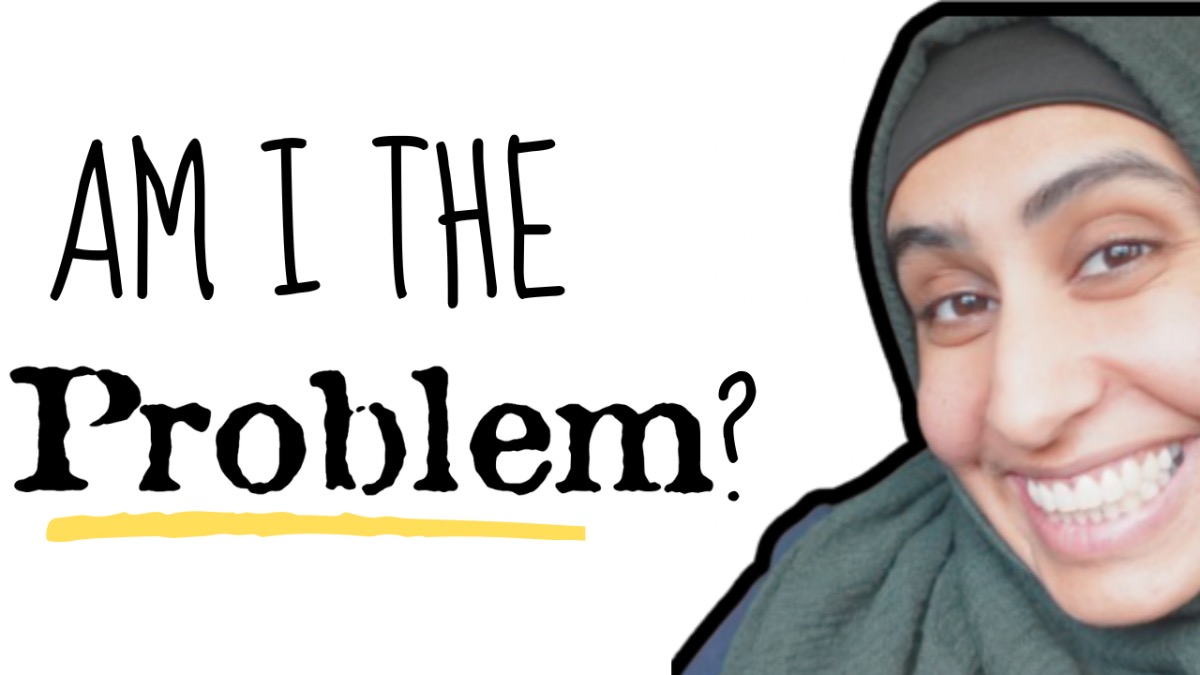
In my latest video, I share more about this:
Am I the Problem? The Ultimate Toxicity Litmus Test
A new program for you
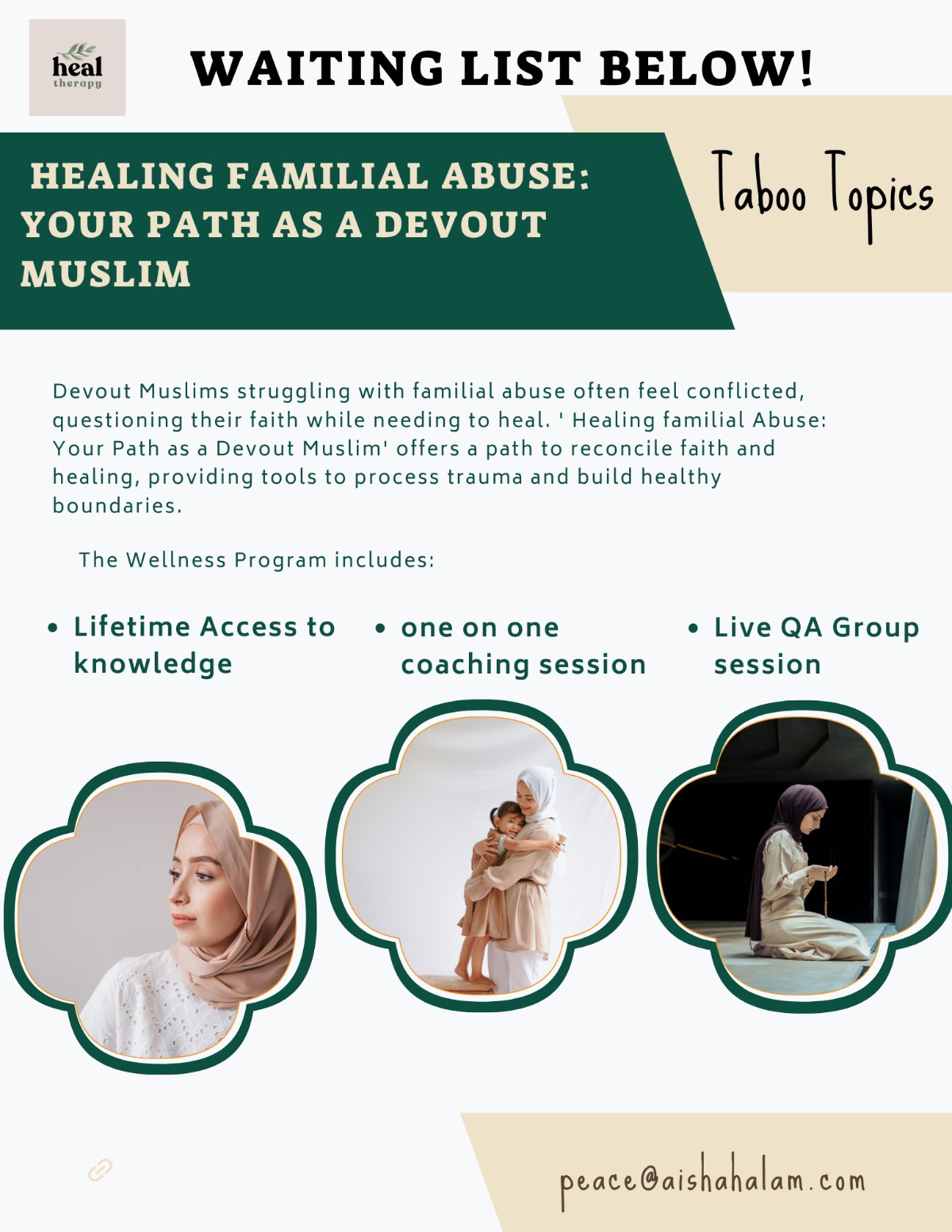
Originally, this program was designed to focus on the impact of parental abuse.
However, based on your feedback, many of you are also navigating challenges in various family relationships – siblings, in-laws, aunts, uncles, and more.
In response, I've broadened the program to cover all familial connections, emphasizing how to maintain these relationships while prioritizing your authenticity and well-being.
To ensure this program truly addresses your needs, I'd love to hear about the specific challenges and questions you face in these broader family dynamics. Please share your thoughts by filling out this Google Form. Your input will be invaluable in shaping the program's content.
Thank you for being here with me
Be true to the truth and take care of yourself sister :)
With love and peace,
|


0 comments