

This Saturday, September 12, 10am - 1pm
Sati Center, online
Buddhist Democratic Socialism
Since the election of Abdul El-Sayed in Michigan, and of course Zohran Mamdani in New York, the Socialists are having a moment. (El-Sayed is not a member of the Democratic Socialists of America (DSA), but is a Bernie-endorsed progressive, which means his platform is essentially the same.) AOC has rejoined the DSA, and membership is surging. DSA priorities include things like universal healthcare, climate action, housing and job security, and addressing the ongoing harms of slavery, Indigenous genocide, and colonialism. Their program is a set of progressive ideals taken to their logical—radical, politically improbable—conclusions, so naturally I love them. American convert Buddhism has largely taken root in politically progressive communities, and a lot of folks in our Saṅghas hold views like these, if not always taken as far as this platform does. So let's think about Democratic Socialism in relation to the Buddha's ideas and practice, starting with its two named concepts.
First, "Democratic." The Buddha lived in a dynamic political moment where there were various models of governance in close proximity, from the imperial kingdom of Magadha, ruled by Ajatasattu the haunted parricide we meet in DN 2, to the Vajji democratic republic whose governance and social practices the Buddha praises in DN 16. The Vajjis had a large assembly of community leaders who met to make policy, seeking consensus but also voting. The assembly was oligarchic, composed of heads of families and community leaders, with the same general demographics as the famous ancient Greek demos in Athens: excluding women, slaves, and the working class. The Buddha drew on his experience with the Vajjian system in his organization of the monastic Saṅgha, and the monastery regulations in the Vinaya still maintain a democratic, consensus-based model.
However, the ancient Buddhist ideal government described in the Pāli discourses is not democracy, but benevolent monarchy: the "Wheel-Turning Monarch" (DN 26). This is an individual (of any gender—there were several powerful queens in ancient India) firmly established in the Dhamma, who is able to act fully in the interests of the people, not themself. The main governance practice they use is wealth redistribution. Wheel-turning monarchs spend tax revenues to support working class people in their trades, uplifting the general economy while minimizing crime, since crime is seen as a corollary of poverty. So while this is not democratic, it is definitely proto-socialist, so more on that in a moment.
Read the rest on the website...
And join me on September 12 online with Sati Center for a half day on Dāna as Social Action! We'll dig into some suttas and core teachings on dāna, explore the suggestion that it's a form of radical anti-capitalist social action, and dream into how we can give more, more frequently, and most importantly, more joyfully.
And speaking of joyful dāna, the extraordinary Ugandan monastic elder, Bhante Buddharakkhita, is raising funds to expand his Uganda Buddhist Center to include a retreat center that will also protect 13 acres of wetland on the shores of Lake Nalubaale (Lake Victoria), the source of the Nile. Our Saṅgha has the opportunity to donate as a group, so these are dedicated links for us. Learn more about the project here, and support this beautiful offering bringing the Dhamma to Africa.
Thank you for all you give, and do, to walk the path, support each other, and build wise communities.
Mettā & love always,
Sean
Upcoming Public Teaching
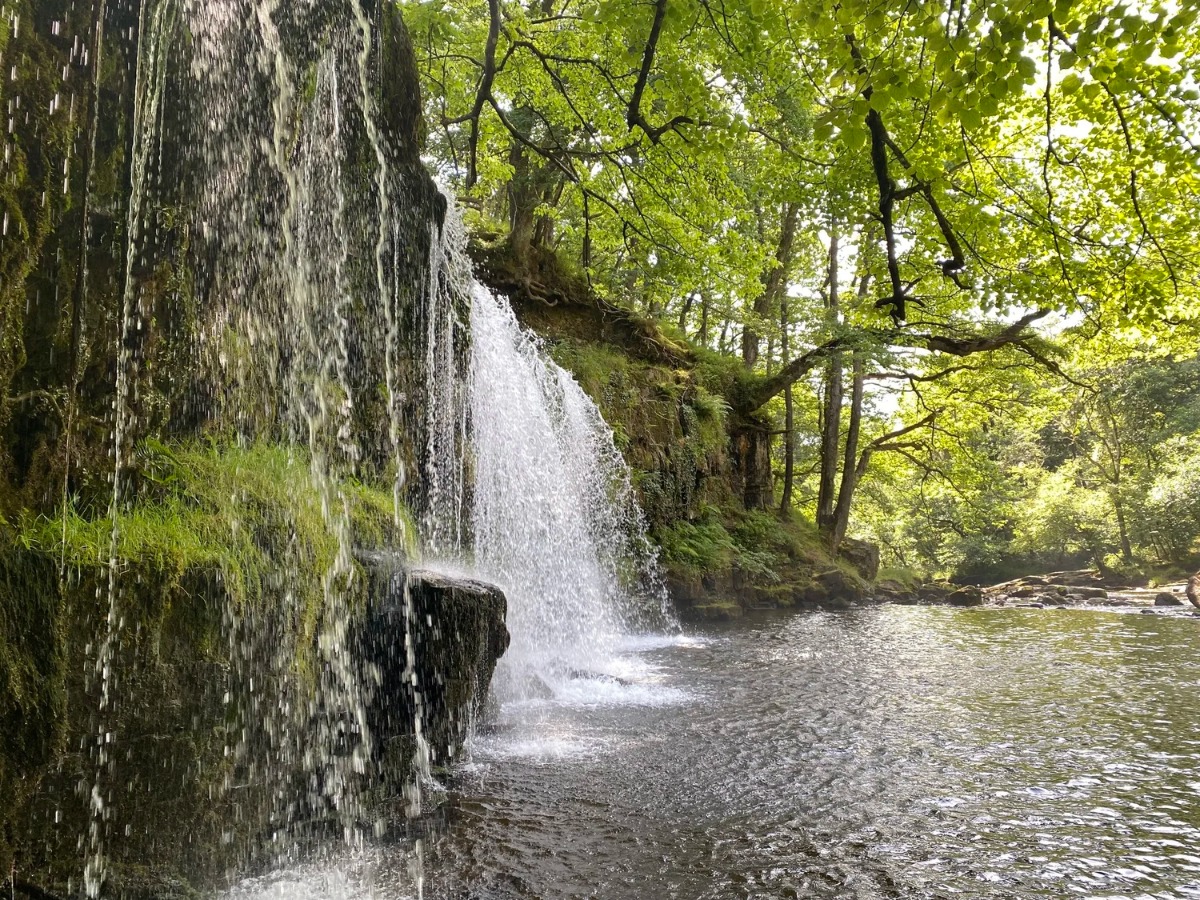
Saturday, September 12 | Online at Sati Center
Drawing on early Buddhist discourses on dāna, we'll explore giving as a practice that shapes communities, delights the heart, and opens the path to liberation.
Tuesday, Sep 22 | In Person at The Alembic, Berkeley
Tuesday night Satsang will now be in-person at The Alembic in Berkeley, every 4th Tuesday. We will still stream it, so non-local folks can join as usual. This is an experiment, but I'm hoping it's fun, stirs things up with new people, and is a venue where local Sangha can come practice together.
Caste, Class, and Liberation: Who Gets to Practice the Dhamma? |
Join us in spiritual friendship.
We need community, and safe spaces for spiritual practice, now more than ever if we are to find strength and wisdom to act in service of collective well-being. In an age of dislocation, isolation, and overwhelm, coming together with sincere Dhamma friends may be one of the most radical things we can do.
Our saṅgha—spiritual community—is an ongoing group of practitioners from around the world. We gather online weekly on Tuesday nights, monthly for a Friday morning book club, and offer a yearly in-person retreat.
All are welcome, and we offer Saṅgha access always on Gift Economy (dāna), with accessibility and inclusivity our core commitment.
0 comments