

TL;DR
A story about a faerie singing an erotic song for the Buddha. Yes, this is canonical!
Gathering live is old school good! Satsang tonight in Berkeley LIVE at The Alembic.
Buddhism has always been animist! This Sat, Aug. 29 at Spirit Rock (online): Dragons, Faeries, and Conscious Trees: Bringing Animism Back Into the Dharma.
Being a Buddhist Democratic Socialist starts with seeing Dāna as Social Action. Study class Sat, Sep 12 at Sati Center.
One time, Sakka (the king of the gods) wanted to ask the Buddha a question that had haunted him for a long time. Sakka saw that the Buddha was meditating in a cave and was shy to disturb him. So he asked a faerie named Pañcasikha to get the Buddha's attention.
The faerie—whose name means "five-crest" because of his fabulous hairdo—also didn't want to disturb the Buddha, so he decided just to gently pull his attention from a little ways away and see if that worked. He sat on a rock a bit down the slope, and began to play his celestial lute, singing an original song he had written just after the Buddha's awakening.
All good... but the song Pañcasikha decided to sing was a risqué love song composed to woo a nymph (who unfortunately for him seemed to be in love with someone else)! I don't suppose many of you (unless you read the Dīgha with us last year) knew that there's erotic poetry in the Pāli Canon, but here's a bit of it.
As elephants burning in the heat of summer,
sink down in a lotus pond to rest,
so cool, full of petals and of pollen—
that’s how I would plunge into your breast.
Like elephants bursting bonds in rutting season,
beating off the pricks of lance and pikes—
I just don’t understand what is the reason
I’m so crazy for your shapely thighs! ...
(DN 21)
The faerie—my preferred translation, though Ven. Sujato translates gandhabba, the celestial musicians, as "centaur"—does weave some more ascetic-appropriate content into the song, though. He says that he loves this nymph with the same passion that the arahants love the Dhamma, and he seeks her the way the pre-awakened Buddha sought liberation! Nice save. The commentary tells us that he's doing this partly to convince the Buddha that he has matured from his lusty youth and wants a respectable marriage. Gandhabbas are not known for being... respectable.
Anyway, the Buddha comes out of jhāna and compliments Pañcasikha, saying "the sound of your strings blends well with the sound of your singing, so that neither overpowers the other," which is generous coming from an ascetic who has sworn off entertainment even of non-erotic kinds, and also a lovely hint at ancient South Asian aesthetics. But what's this scene doing in the discourses?
If you've mostly only heard Buddhist teachings on mindfulness, meditation, and compassion, you're missing a vast side of the tradition—one in which nature spirits, animals, humans, and deities all interact, with conversations and long relationships all revolving around the core principle that we are all the same kind of being: suffering and seeking relief.
The Buddhist tradition is profoundly animist—sentience is everywhere, in all kinds of bodies—and the discourses record this panpsychic world without even the sense that it's unusual or especially spiritual. These beings are in the discourses because they have a relationship to the Dhamma, just as the humans do. Trees talk to distracted monks, encouraging them to focus in their meditation (SN 9); spiky-haired demons threaten the Buddha, then ask good philosophical questions (SN 10.3); the moon takes refuge in the Buddha to escape from an eclipse (SN 2.9); river-dwelling dragons disguise themselves as monks in order to study the Dhamma (Kd 1.49); troubled ghosts of ancestors ask for human help to relieve their suffering (Pv 5).
The Buddhist world is intimately alive, conscious, relational, and filled with non-human and non-animal beings. We are never separate from this pervasive sentience, but suffer in isolation, disembodiment, and a wonder-empty world when we lose our connection to it. Our practice, because it sensitizes us to subtlety, deconstructs modern narcissism, and takes a phenomenological approach to spiritual life, is a beautiful tool for the rewilding of our senses and the reopening of an ancestral animist knowing.
When Sakka finally settles down in the cave to ask his question, his immeasurable hosts of deities all gathered around listening, he gets right to the heart of the matter: "What fetters bind the gods, humans, titans, dragons, centaurs—and any of the other diverse creatures—so that, though they wish to be free of enmity, violence, hostility, and hate, they still have enmity, violence, hostility, and hate?”
Why do beings still hate, even when they wish to be free of hatred?
Animism is not, by itself, a wisdom teaching. It's an accurate description of the world as we can perceive it when we see clearly: full of friendly and unfriendly beings, all suffering, all striving for ease and freedom, some in skillful ways and some in very unskillful ways. Sakka sees the same world we do, filled with hate and violence, and has the same grief.
The Buddha's answer to Sakka is the same as his answer to us, and the path is the same whether we are human or spirit. Letting go of judgment, craving, and attachment frees the heart from hatred, no matter the kind of body we wear or experience we were born into. This toxic judgment is active anytime we see ourselves as separate from others, alone in the world, surrounded not by scintillating life but by inert matter, resources to be harvested for our use rather than interacted with as neighbors, as friends, as family.
Animism reanimates us as relational beings, and the Dhamma shows us the path to walk to the end of hatred. The Buddha lived in an animate world, and taught for the benefit of anyone who came to him sincerely seeking the path, whether human or animal, demon or god, of all genders, castes, and species.
While they were talking, Sakka saw impermanence clearly and became a stream-enterer, the first stage of awakening. In gratitude, he made Pañcasikha king of the faeries, and revealed that his beloved nymph really did love him back, so they will get to be together after all. Our comedy ends with this beautiful double fruition: awakening and romantic fulfillment. Both deities get what they longed for.
May you as well.
I taught this past Monday night at Spirit Rock (recording), and did a preview of the material I'll be teaching on the 29th there—exploring how we can bring animist approaches to the world around us back into our practice. During the talk, a pack of coyotes came down from the hills, hung around the hall, and howled. Wow.
Tonight I'll be at The Alembic in Berkeley for Satsang, streaming from their lovely space. If you're local, come on out!
And on September 12, I'll be online with Sati Center for a half day on Dāna as Social Action.
It's a delight to be in the stream of these beautiful stories and ways of being with you. Through the violence and chaos of our world, the gift of the Dhamma shines through, carried by anyone who respects this path enough to walk it, talk about it with friends, and spend time cultivating it. May all your aims for freedom be realized.
Mettā & love always,
Sean
Upcoming Public Teaching
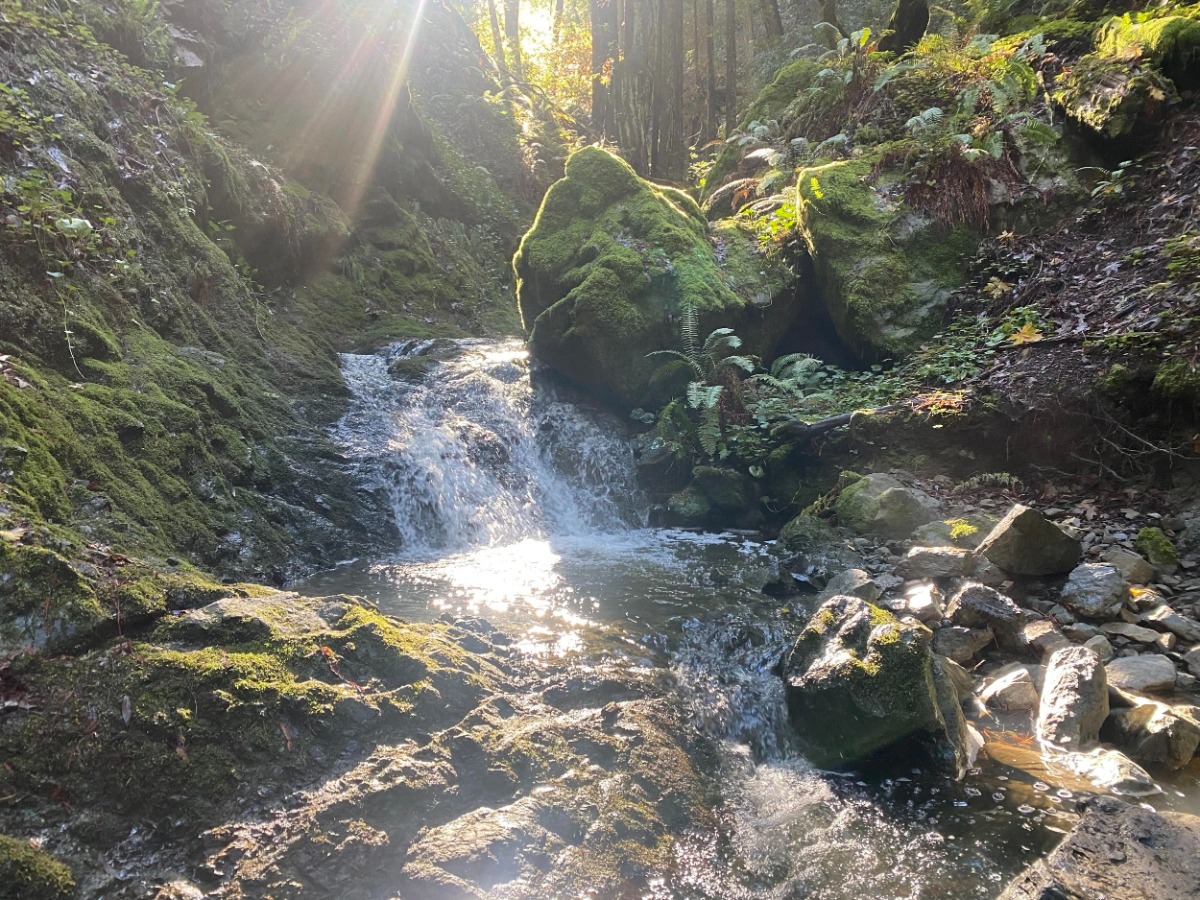
Tuesday, August 25 | In Person at The Alembic, Berkeley
Tuesday night Satsang will now be in-person at The Alembic in Berkeley, every 4th Tuesday. We will still stream it, so non-local folks can join as usual. This is an experiment, but I'm hoping it's fun, stirs things up with new people, and is a venue where local Sangha can come practice together.
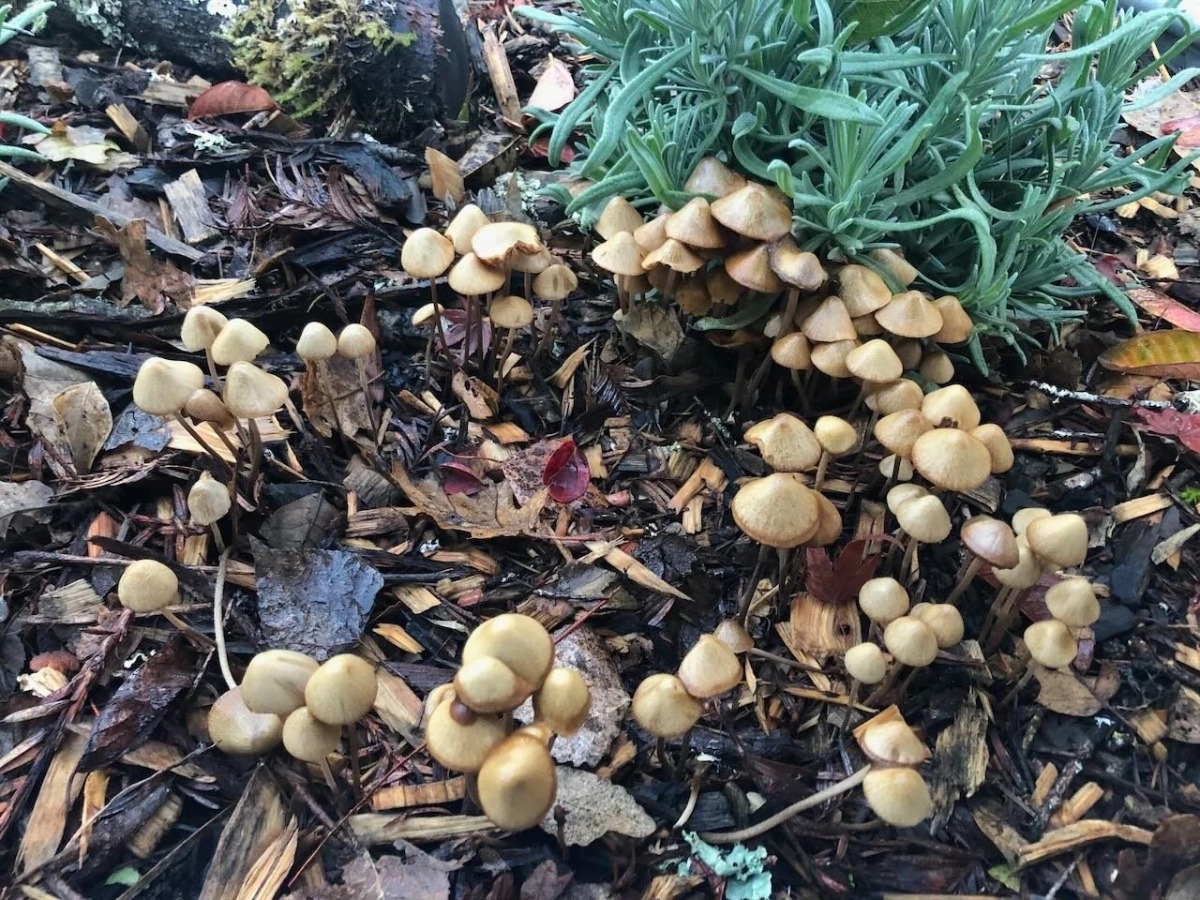
Saturday, August 29 | Online at Spirit Rock
Rediscover the Buddha's animist cosmos: nāgas, devas, and spirit beings of many kinds through meditation, sutta study, and nature practice.

Saturday, September 12 | Online at Sati Center
Drawing on early Buddhist discourses on dāna, we'll explore giving as a practice that shapes communities, delights the heart, and opens the path to liberation.
Join us in spiritual friendship.
We need community, and safe spaces for spiritual practice, now more than ever if we are to find strength and wisdom to act in service of collective well-being. In an age of dislocation, isolation, and overwhelm, coming together with sincere Dhamma friends may be one of the most radical things we can do.
Our saṅgha—spiritual community—is an ongoing group of practitioners from around the world. We gather online weekly on Tuesday nights, monthly for a Friday morning book club, and offer a yearly in-person retreat.
All are welcome, and we offer Saṅgha access always on Gift Economy (dāna), with accessibility and inclusivity our core commitment.
0 comments