

What do maize -- the Native American word for corn -- and mazes have in common? They're both used to create a popular amusement that sprouts up every fall: the corn maze! (Or as they're known in the United Kingdom - Maize Mazes.)
Creating mazes in fields of corn is a relatively new invention, but mazes have been around for at least 4,000 years. In Ancient Roman times, maze and labyrinth designs were used in homes, artwork and public buildings. Many historians suspect that the mazes were not so much for amusement as for use in religious rituals. For centuries the maze or labyrinth design appeared also in architecture, everything from floor inlays in French cathedrals to the pyramids in Egypt which have tunnels constructed in the form of mazes or labyrinths.
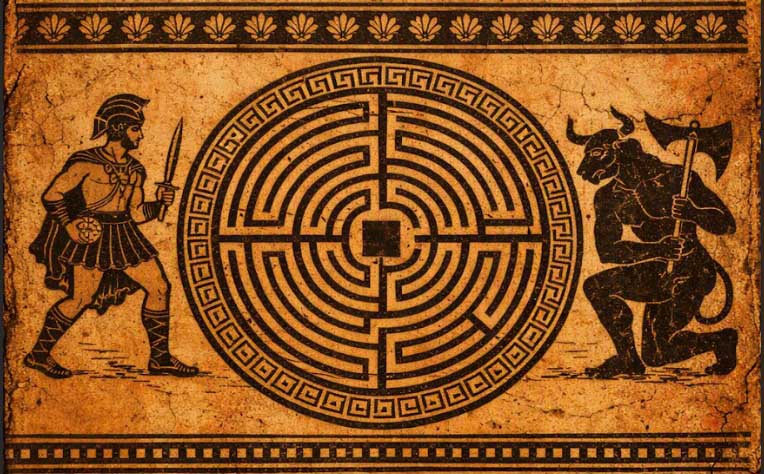
Throughout the following centuries, mazes continued to a-maze people. In Europe, garden mazes and puzzle hedges -- a maze made of growing bushes, shrubs and plants -- were created at the wealthiest castles. The object of the maze was to find the center and work your way back out, much to the amusement of the upper classes. The Gardens at Hampton Court Palace in England were planted during the reign of William III (1650-1702.) The maze there is over 300 years old and is considered one of the finest examples in Europe. It is over 1/3 acre in size with a ½ mile of winding paths inside.