Why Your Smart Teen Can't 'Just Put It Down
Hi ,
"Just use some self-control."
"You're smarter than this."
"Put that phone down and focus!"
If you've said these words to your teenager (and I know you have because I said them too), you've probably been met with eye rolls, arguments, or complete shutdown.
Here's what I wish I'd known then: your intelligent teenager isn't choosing their phone over homework, family, or sleep.
They literally cannot put it down.
Let me explain what's really happening inside your teen's developing brain every time they pick up that device.
The teenage brain won't be fully developed until around age 25. The prefrontal cortex—responsible for impulse control and decision-making—is still under construction.
Imagine trying to drive a Ferrari with bicycle brakes. That's your teen's brain on smartphones.
But here's the kicker: every notification, every like, and every Snapchat streak triggers a release of dopamine—the same neurotransmitter involved in drug addiction.
Teenage brains produce more dopamine than adult brains, making them significantly more susceptible to these digital rewards.
Your teenager isn't weak. Their brain is being hijacked by teams of neuroscientists and engineers whose literal job is to make technology irresistible.
When we tell our teens to "just use willpower," we're asking them to fight their biology with an underdeveloped tool.
This changes everything about how we approach the problem.
Once I understood this science, I stopped fighting my daughter and started working with her brain instead of against it.
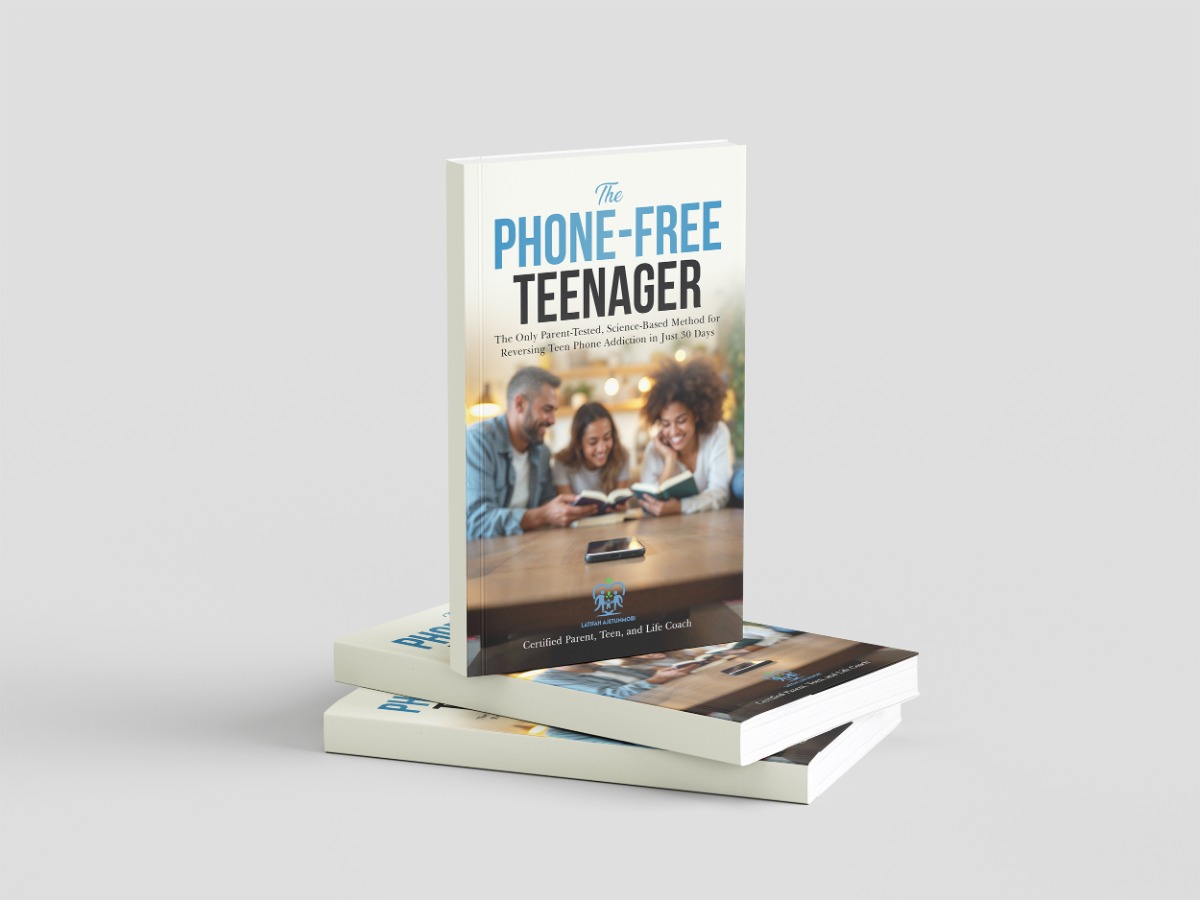
The strategies I discovered (and the transformation that followed) became the foundation for everything I now teach other families.
Next week, I'll share the breakthrough moment when my daughter voluntarily came to me and said, "Mom, can you hold my phone? I want to focus on my exams."
Yes, she asked ME to take her phone.
With understanding,
Latifah.
P.S. Understanding the brain science behind phone dependency isn't just interesting—it's the key to everything that works. When you stop fighting biology and start working with it, everything changes.
0 comments