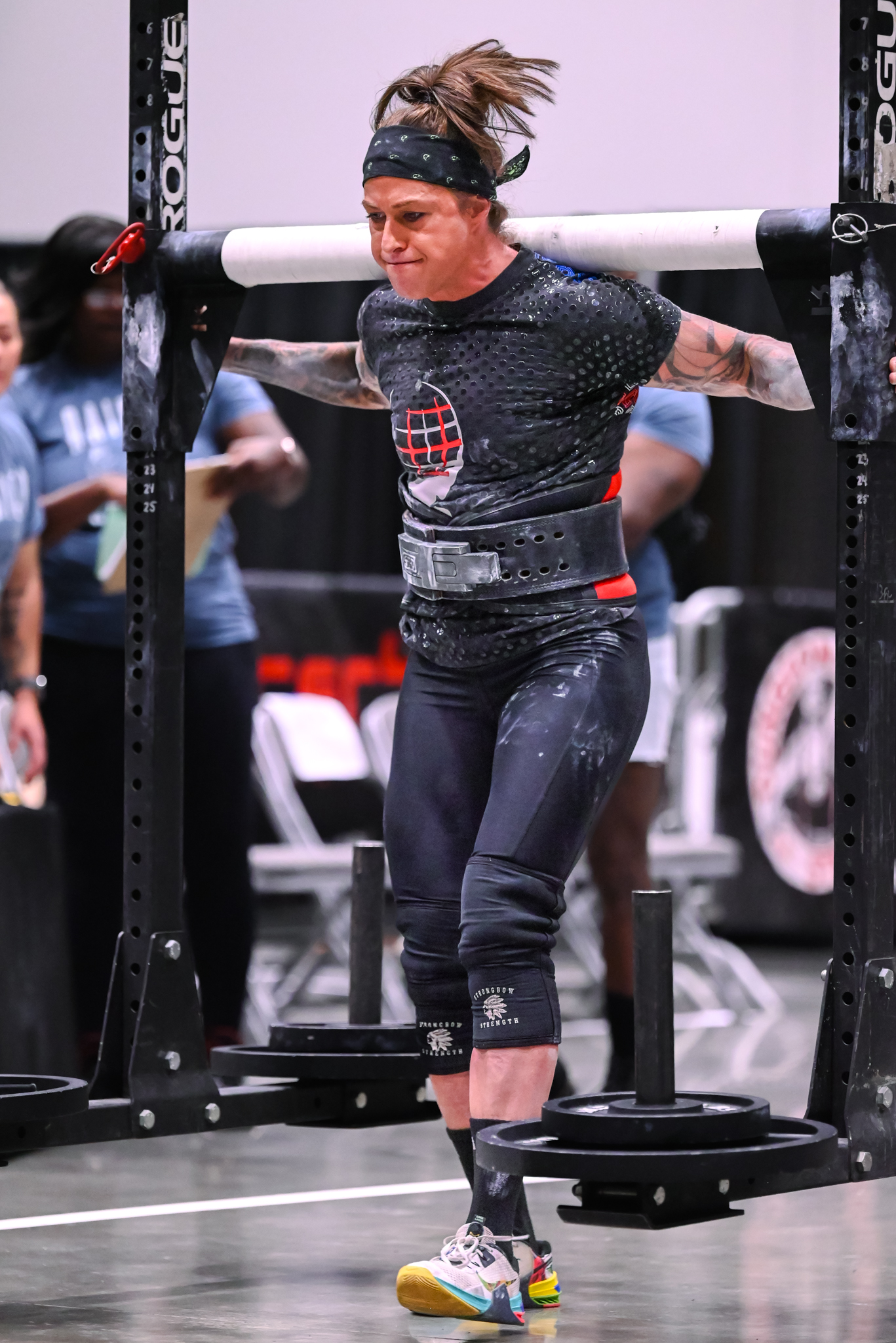
Looking Back, Moving Forward
As we close out the year, we want to take a moment to acknowledge you.
This year wasn't just about workouts or numbers — it was about showing up. It was about discipline on hard days, learning your body better, working through limitations, and continuing to move forward even when life felt busy, stressful, or unpredictable. That matters, and it deserves recognition.
At Ideal Strength, we believe fitness is about building something that lasts — strength, confidence, resilience, and a body that supports your life at every stage.
What Really Matters
No matter your goal — fat loss, strength, muscle building, endurance, or simply feeling better in your body — progress is built on the same foundations:
Strength as a base • Mobility and stability to stay pain-free • Aerobic fitness for recovery and health • Proper fueling, hydration, and recovery • Consistency over perfection
These qualities work together. Improving one supports the others — and that's how progress becomes sustainable and long-term.
Looking Ahead to the New Year
As you reflect on the year behind you, consider:
- What worked well for you?
- What felt challenging or draining?
- When did you feel your strongest and most capable?
- What does your body need now, at this stage of life?
Your training doesn't need to look like it did years ago to be successful. Your needs evolve — and that's not a setback. That's growth.
A Word on Motivation
Don't wait to feel motivated.
Action comes first. Motivation follows.
Small, consistent actions — done over time — create momentum, confidence, and lasting change. You don't need perfect weeks. You need enough good ones.
Tools to Support You Moving Forward
Need More Mobility?
Mobility helps your joints move through healthy ranges of motion with control, improving movement quality and reducing stiffness and aches.
5–10 Minute At-Home Mobility Routine (1-2 rounds of 60-90 sec of each):
- Half Kneeling Adductor Rock + KB Windmill
- Side-Lying T-Spine Rotation (w/ Foam Roller)
- World's Greatest Stretch
- Ankle Dorsiflexion Rocks
A little mobility, done often, goes a very long way — especially if you sit, travel, or train hard.
Feeling a Little Less Stable?
Stability is your body's ability to control movement and resist unwanted motion. It's crucial for joint health, balance, injury prevention, and confidence.
Daily Stability Drills (1-2 sets of 30-60 sec of each):
- Single-leg RDL to High-Knee (or Single Leg Balance)
- Tall-Plank to Down-Dog
- Side Planks or Deadbug
- Single Leg Glute Bridge March or Single Leg Box Squat
Mobility gives you access to movement. Stability lets you own it. You need both.
Adding Cardio — Without Overdoing It
Cardio isn't one thing — and it doesn't need to be extreme to be effective.
Zone 2 work builds your aerobic base, supporting recovery between workouts, heart and metabolic health, and long-term endurance.
That said, harder intensities still matter at every stage of life. They help maintain capacity, resilience, and confidence — they just need to be applied intentionally. This doesn't mean going all-out every time.
Aerobic vs. Anaerobic (Quick & Simple)
- Aerobic work = sustainable efforts you can recover from well
- Anaerobic work = short bouts of higher effort that challenge capacity and are unsustainable for an extended period of time.
Both matter. Both can be scaled.
Cardio Zones Across the Lifespan
Zone 2 (Aerobic Base)
- Age 30: Brisk walking, jogging, cycling, rowing
- Age 70: Purposeful walking, incline treadmill, steady cycling
- You can talk in full sentences
Zone 3 (Moderate–Hard Effort)
- Age 30: Steady jogging, harder cycling, continuous sled work
- Age 70: Faster walking intervals, step-ups, light hill walking
- Breathing harder, short phrases only
Zone 4 (Hard Intervals)
- Age 30: Short run or row intervals
- Age 70: Short bike efforts, faster step-ups, sled pushes
- Challenging but controlled, followed by full recovery
Zone 5 ("Wowzer" Efforts)
- Age 30: Very short sprints or intense bursts
- Age 70: Quick walk bursts, fast sit-to-stands, short bike surges
- Very brief, very intentional — used sparingly
The intensity stays, but the expression changes — and that's exactly how it should be.
Don't Forget Power
Power is your ability to produce force quickly — and to control and decelerate forces rapidly. Both decline faster than strength as we age.
The good news? You can slow that decline by training it now.
While explosive movements often get the spotlight, rapid eccentric control — your ability to decelerate and absorb force quickly — may be even more important for injury prevention and real-world function. Think catching yourself on stairs, controlling a quick stop, or safely lowering from a step.
Power training doesn't mean doing anything risky.
Safe Power Examples:
- Faster sit-to-stands (with controlled lowering)
- Step-ups with intent (and controlled step-downs)
- Medicine ball or banded throws
- Light kettlebell swings (when appropriate)
- Controlled depth drops or quick stops
Power supports balance, reaction time, fall prevention, and confidence in daily life.
Final Thought
Fitness isn't about perfection. It's about showing up, adjusting when needed, and building a body that supports your life.
Whether you're training with us now, have trained with us in the past, or are simply part of our community — thank you for being here. We're grateful to share these principles with you and honored to support your journey in whatever way makes sense for you.
Here's to strength, health, and progress that truly lasts.
With gratitude,
The Ideal Strength Team
Tasha & Dan
P.S. Looking for a structured way to put these principles into practice? The Desk Athlete Blueprint includes a complete program of short, effective workouts designed around the exact foundations we've discussed here — strength, mobility, stability, and sustainable progress. It's built for busy schedules and real life. If you're looking for a practical starting point (or restart) for 2026, you can find it at https://shop.idealstrength.com/p/desk-athlete-blueprint or direct from Amazon.com
0 comments