
👋 Hey. Welcome to issue #130 of The Everyday Athlete Newsletter.
Here are my 3 favourite ideas, learns and resources to help you improve your performance this week (4 min read):
🏋️ We've been doing time under tension wrong
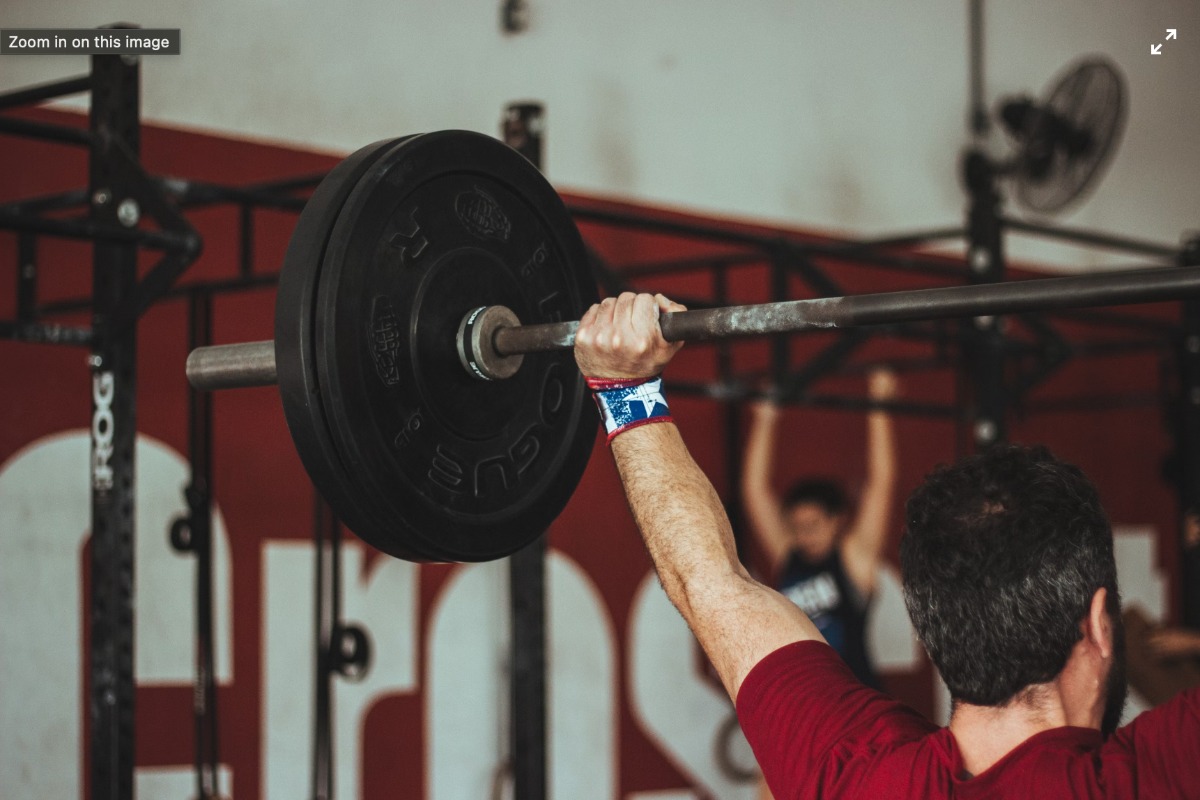
Time under tension is a phrase you may have heard thrown around the gym.
It means how long your muscles work during an exercise set.
Usually implemented into training by slowing the eccentric (lowering) phase of the movement (e.g. lowering the bar to your chest in a bench press). Commonly for 2-3 seconds.
And while the principle of time under tension is 100% valid, the popular implementation I described above is not.
See, research shows the biggest driver of strength and muscle growth is mechanical tension (i.e. how hard we are pushing).
So intentionally doing slow reps means we will need to lift a lighter weight. Which is creating less mechanical tension than we’re capable of generating. Shown to be a less effective approach.
Instead, the slow reps we want to chase are the unintentional ones at the back end of the set from a combo of fatigue and heavy load.
So instead focus on:
- Lifting heavy enough weights (65-85% 1RM)
- Pushing sets close to failure
- Allowing rep speed to decrease naturally as fatigue kicks in
- Still maintain some control so you don’t put a joint where it shouldn’t
But I still program slow eccentrics for some people (mostly beginners and elderly) for:
- 🏋️ Form
- 🔒 Stability
- 🚶 Body awareness
- 💪 Confidence
Increasing load and speed as strength and confidence increase.
For everyone else, let the weight slow you down — don't slow yourself down on purpose.
🏃 Strength training for runners
Brady Holmer is — what I'd call — a pretty elite distance runner (2.26 marathon) and smart as hell science writer (writer for examine.com).
And he's on the strength train...
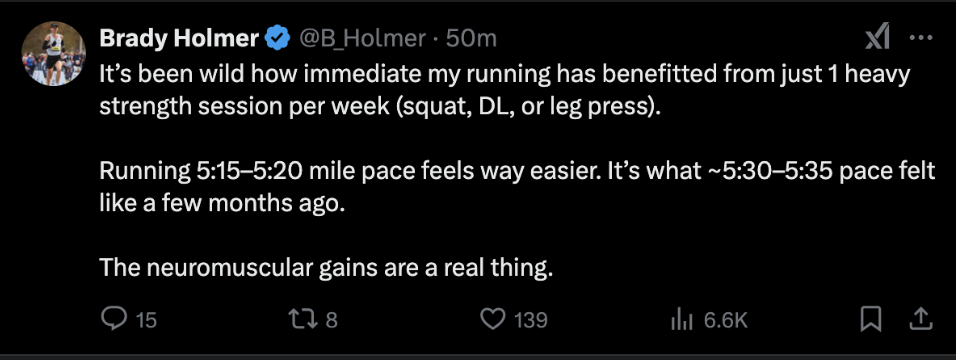
Yes, this is N of 1.
But strength training to improve performance, efficiency and injury is also supported by quality research from N of many (see here and here).
"But I don't want to add weight and muscle..."
Then focus on heavy sets of only 2-3 reps. And you won't add size. Pure strength.
For lower limb injury prevention, I'd also throw in some:
- Knee over toe calf raises x25 each side
- Tib raises x25 each side
Go well.
🥄 The 2kg fibre study
Over long enough time horizons, small changes create big results.
This is one of my core health and fitness philosophies in a nutshell.
Here's a perfect example of this in action...
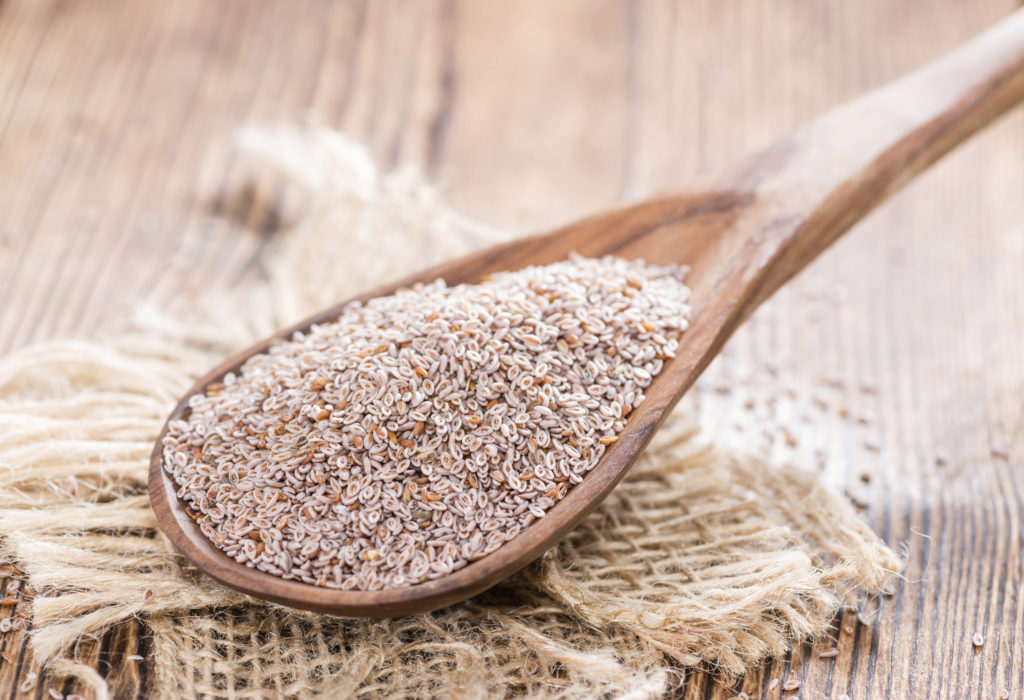
This study found adding just two tablespoons of psyllium husk (fibre) to the daily diet led to a 2kg drop in body weight over 5 months.
2kg may not be much over 5 months.
But it is when you consider these people did nothing more than throw a bitta fibre in their smoothie.
This is why I love focusing on small, sustainable changes rather than big 180s.
Easy stuff that works, sticks, then compounds.
That's it!
Have a great weekend 🤙
Matt
📬 Did someone forward this to you? I send an email like this every week. Join free here.
👇 If these emails aren't for you anymore you can unsubscribe below. No stress, they're not for everyone.
 Want more? Check out the Everday Athlete Toolbox and Elite Sleep Audit
The Everyday Athlete Newsletter is not a licensed health service nor a substitute for professional health advice, treatment or assessment. The information shared in this email is general and written for a specific audience. If you’re struggling, please see a healthcare professional.
0 comments