
👋 Hey. Welcome to issue #115 of The Everyday Athlete Newsletter.
Here are my 3 favourite ideas, learns and resources to help you improve your performance this week (4 min read):
🏊 Dealing with the after-drop
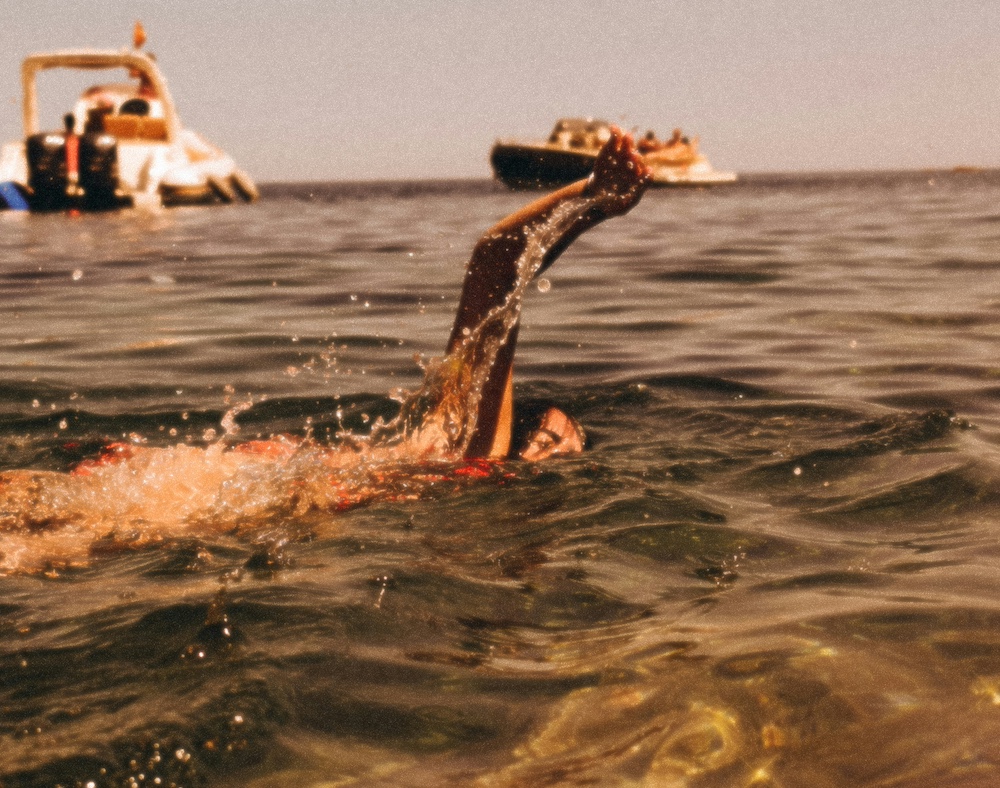
It’s ocean swim season in SE Aus.
But because of seasonal lag, the water is still warming up.
Which—for the cold frogs like myself—means the dreaded “after-drop”.
Where body temperature drops after getting out of the drink.
And shivering begins.
See, when we swim in cool water, the body keeps our core warm to protect our vital organs.
Which means reducing blood flow to skin, legs and arms—cooling them down.
It’s called peripheral vasoconstriction.
Then we get out. And the cold blood from our extremities returns to the core, dropping our core temperature.
Simon Griffiths is an avid outdoor swimmer and founder of Outdoor Swimmer Magazine. He’s got some tips for us:
- 🚿 Don’t take a hot shower (this increases how fast cold blood returns to the core – cold water swimmers have been known to faint in hot showers)
- 🧥 Get dressed quickly and warmly
- ☕️ Drink something warm and eat something
- 🚶 If needed, move the body, go for a walk
Enjoy the drink.
⏰ Timebirds mini
I've been obsessing about gym program delivery lately—how to make accessing and reading your program as smooth as possible.
And there's two products I'm using at the Hexa fitness studio that you might find useful too.
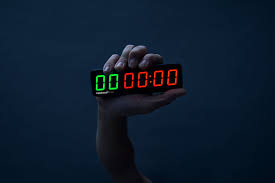
The first is the Timebirds mini.
It's a small digital clock (with a heap of features).
Because the clock keeps you accountable.
And watches/phones have their drawbacks.
With this, you can program intervals, count reps, and get alerted to work or rest.
I can even program an entire 50-minute session of different rounds and intervals through the heats mode.
Quality.
The second is simply a magnetic phone holder (example). A tripod stand would also work if your space isn't magnet-friendly.
If you need to access programs through an app on your phone, it's a pain to keep picking it up off the floor to read it.
This way it's at eye level as you need it.
Doesn't seem like much, but these small things make a big difference to the flow of a session.
🚶 Short walk after meals
For better quality sleep, it’s recommended to eat your last meal 2-3 hours before bed.
Why?
- 🔥 Eating signals to the body that it's active and digesting, which is contrary to the body's preparation for sleep
- 🌡️ The energy needed to digest food raises body temperature, conflicting with the natural body cooling needed to get off to sleep
This is one of the biggest interrupters of sleep quality for me.
And a common quarrel for the fellow early birds.
I used to have way more flexibility in my day to eat early. Now I can’t.
But there’s a bit of a hack.
And it’s a 10-minute walk after dinner.
Because it speeds up digestion.
See, walking increases blood flow to the digestive muscles.
Which massages food along the digestive tract.
This process (called peristalsis) helps food and gas move quicker through the guts.
Plus, walking after meals can reduce blood sugar spikes and stress levels (which can also affect sleep).
When I eat late, this walk makes a massive difference to my sleep quality that night.
Recommend.
That's it!
Have a great weekend 🤙
Matt

📬 Did someone forward this to you? I send an email like this every week. Join free here.
👇 If these emails aren't for you anymore you can unsubscribe below. No stress, they're not for everyone.
 Want more? Check out the Everday Athlete Toolbox and Elite Sleep Audit
The Everyday Athlete Newsletter is not a licensed health service nor a substitute for professional health advice, treatment or assessment. The information shared in this email is general and written for a specific audience. If you’re struggling, please see a healthcare professional.
0 comments