
👋 Hey. Welcome to issue #121 of The Everyday Athlete Newsletter.
Here are my 3 favourite ideas, learns and resources to help you improve your performance this week (4 min read):
💥 Desensitising the brain to chronic pain
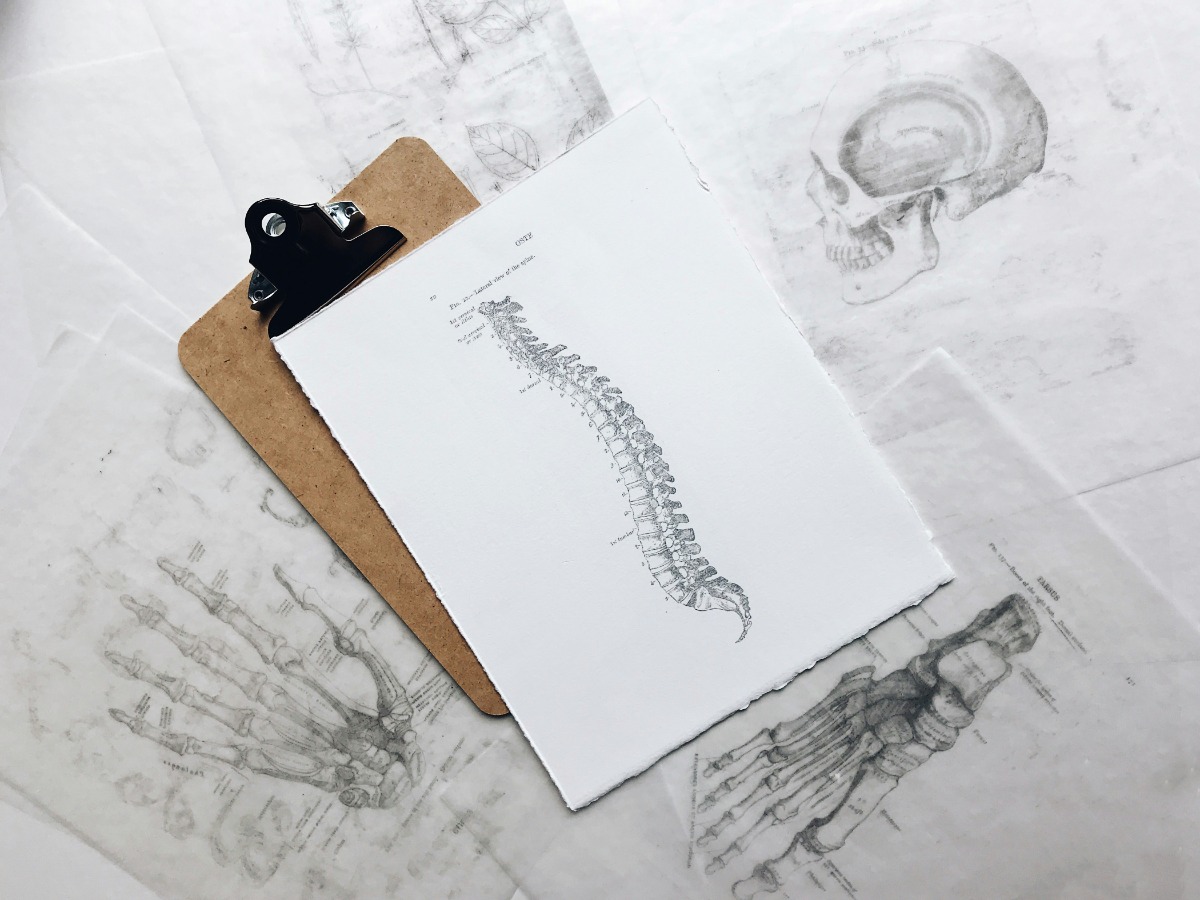
A surprising number of Hexa clients present with chronic lower back pain.
This shouldn’t surprise me knowing the stats—16% of Aussies currently experience it and 70-90% will at some stage.
That's a lot of us.
Anyway, the first step to getting on top of it—often skipped—is desensitisation.
See, when we experience pain, our brain treats it as a threat.
Which triggers our stress response: shallow breathing, muscle tension, stress hormones pumping.
This chronic, low-level stress response makes the brain super tapped into pain signals, making them feel more intense.
It's a bit like turning up the volume knob on pain.
But that’s not the whole story…
The shallow breathing triggered from pain means we breathe out too much carbon dioxide. Decreasing the levels of carbon dioxide in our blood.
Over time, this makes us more sensitive to normal carbon dioxide levels.
This heightened sensitivity can trigger more anxiety and stress responses.
Meaning we’re more likely to panic when breathing changes due to pain.
More panic, more stress response, more muscle tension, more pain sensitivity...
A negative feedback loop.
But the good news…
We can desensitise our brain to the pain.
And it starts with the breath.
Because pain signals and breathing patterns are both processed in similar areas of the brainstem.
So when we consciously control our breathing, we can actually influence how our brain processes pain signals.
Wim Hoff style breathing is perfect for this. Because it teaches our body to control our stress response and tolerate more CO2.
It’s essentially 1-2 minutes of hyperventilation (short, fast breaths). Followed by breath holds—where CO2 builds up in our systems.
By regularly exposing ourselves to higher CO2 levels safely, we become less reactive to them.
If you have chronic pain, consistently doing 10 minutes of this breathing each morning is a good starting point.
And may help you live a little more pain-free.
Then, we’ve gotta restore the soft tissue function with mobilisation techniques. And prevent future pain with lifestyle changes like sleep and movement. But that’s for another time.
📅 App: Streak
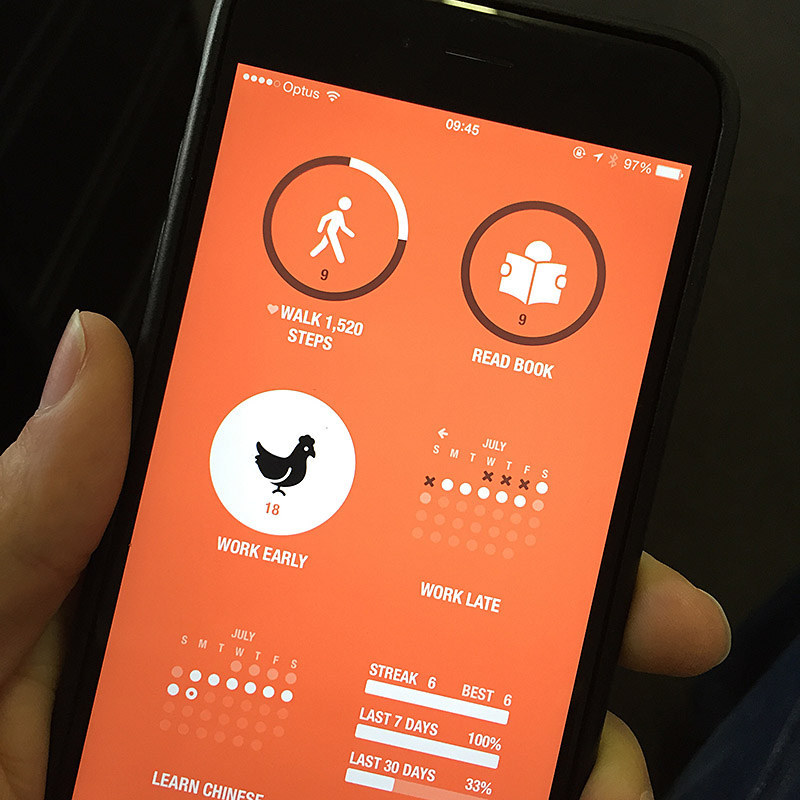
As we strap in for 2025 and let the jet pack of motivation fire us up with inspiration for the new year, consider downloading the Streak app (or the Atoms app).
And help funnel those goals and aspirations into habits.
Then after a few weeks, you don't have to focus on the habits.
Because they're habits.
And that's the beauty of habits.
They run themselves.
Get started with the Streak app. It cleverly leverages our sensitivity to momentum and gamifies habit-creation to help make them stick.
Now re-read this and drink everytime he says habits.
🍺 The chemistry of a hangover cure

We're a week til chrissy. And the chemistry of a hangover cure from newsletter #103 feels more relevant than ever...
I hope you woke up today ready for some biochemistry. Enjoy the pain...
When we drink alcohol, the ethanol is digested in the liver.
It's then converted into a toxic compound called acetaldehyde — which is the guy primarily responsible for hangovers 👎 👎 👎
Acetaldehyde is then converted into a molecule called acetyl-CoA — which plays a critical role in energy production.
Here's a very simplistic version:
 Ethanol >
  acetaldehyde (hangover compound) >
  ️ acetyl-CoA (energy molecule)
We want this conversion into acetyl-CoA to happen.
Because less acetaldehyde = less hangover.
And we can do that by creating an energy demand.
How do we do that?
One of the best ways... Exercise.
See, instead of leaving things in the form of acetaldehyde, exercise forces it to be converted into acetyl-CoA.
Less hangover.
There you go.
Enjoy.
That's it!
Have a great weekend 🤙
Matt

📬 Did someone forward this to you? I send an email like this every week. Join free here.
👇 If these emails aren't for you anymore you can unsubscribe below. No stress, they're not for everyone.
 Want more? Check out the Everday Athlete Toolbox and Elite Sleep Audit
The Everyday Athlete Newsletter is not a licensed health service nor a substitute for professional health advice, treatment or assessment. The information shared in this email is general and written for a specific audience. If you’re struggling, please see a healthcare professional.
0 comments