
👋 Hey. Welcome to issue #138 of The Everyday Athlete Newsletter.
Here are my 3 favourite ideas, learns and resources to help you improve your performance this week (4 min read):
🦵 Maybe DOMS should be DOFS
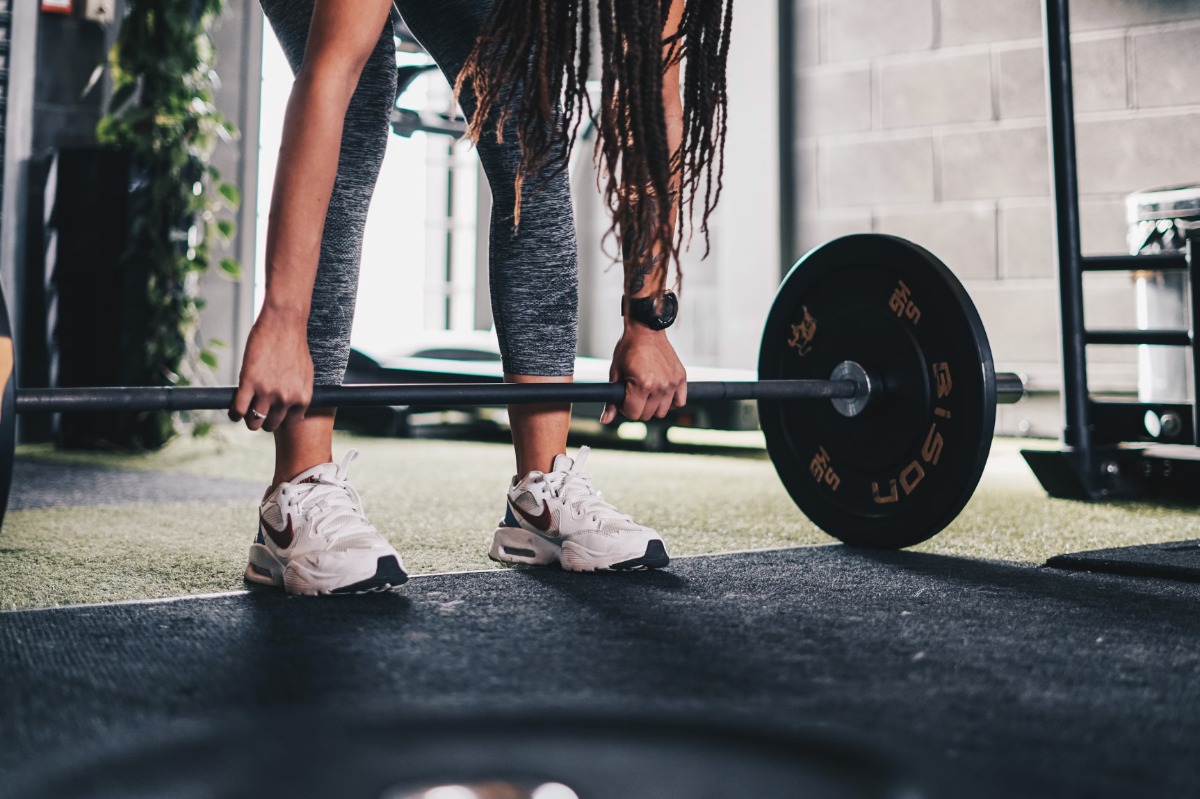
Delayed Onset Muscle Soreness (DOMS) will be a familiar feeling to – my guess – 100% of readers.
But maybe it should be DOFS (Delayed Onset Fascia Soreness).
Because research outta Germany reckons fascia plays a bigger role in the pain and stiffness we feel after exercise than the muscle itself.
Fascia is connective tissue that wraps around muscles, organs, and everything else in the body. It’s a continuous web that supports and connects pretty much every part of us.
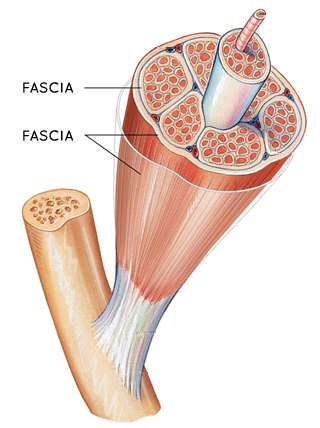
Right, so DOMS is more about fascial damage and inflammation than muscle damage.
So what?
It means recovery methods to reduce soreness should really target the fascia.
DOMS/DOFS is worst when we use muscles we haven’t for a while. So when you’re starting a new program, making changes, making big jumps in movement pattern/intensity/volume, consider adding:
- 🥎 Foam rolling: improves sliding between fascial layers and decreases pain sensitivity
- 💊 Collagen peptide supplementation (about 20g daily): provides the building blocks needed for fascia repair and recovery (as fascia is mostly just collagen)
So you don't have to walk around like there's a pipe up your butt.
😌 Instant side low back pain relief
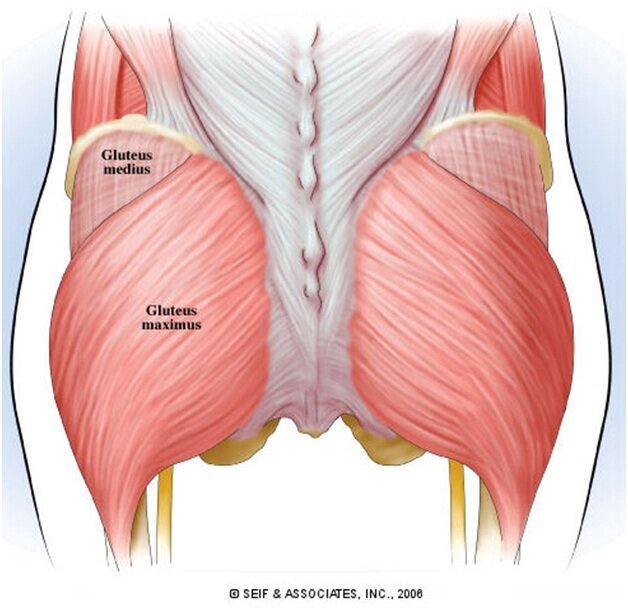
Relative to the big glute max muscles, most of us – myself included – have weak glute medius muscles.
Which can be one of the most common causes of low back pain.
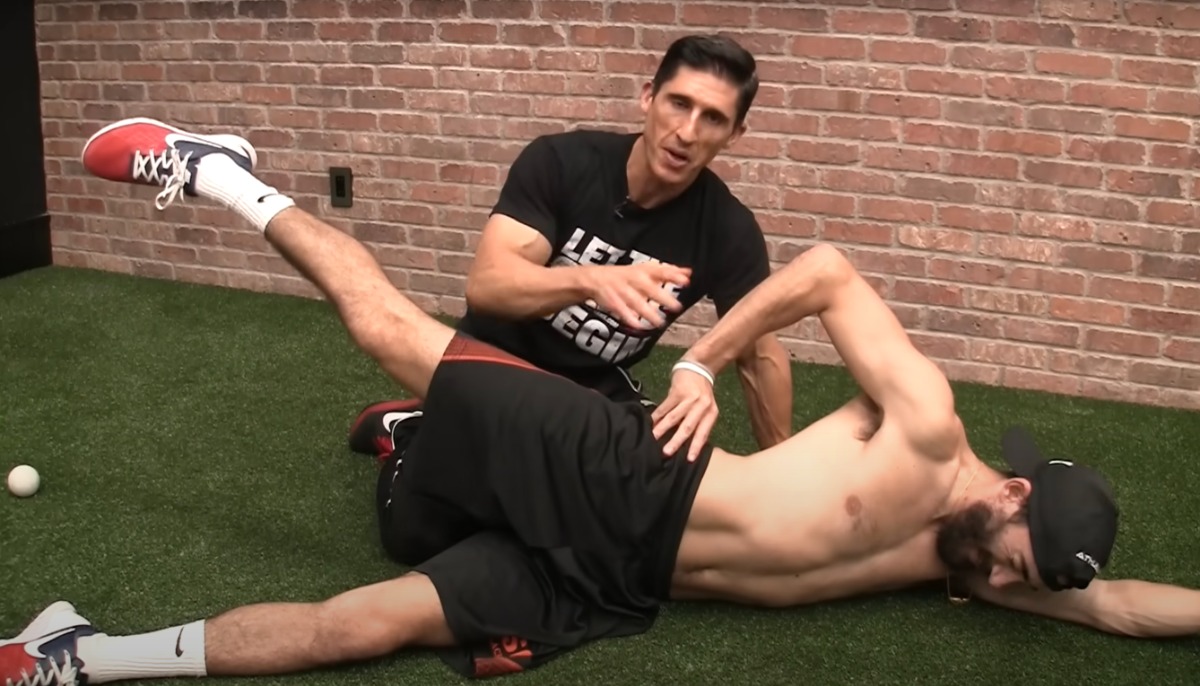
Now, if you ever get sharp pain in the glute medius (sides of the lower back underneath the hip), you'll want to know how to:
- 😌 Find instant relief from the pain
- 🍑 Do some simple exercises to strengthen the glute med
This 10-minute video shows you exactly how to do both. It is wildly effective.
It occasionally flares up for me, and the first exercise from the video is my go-to. Now just gotta get better at consistently strengthening it.
🏃 The weak link in the running chain
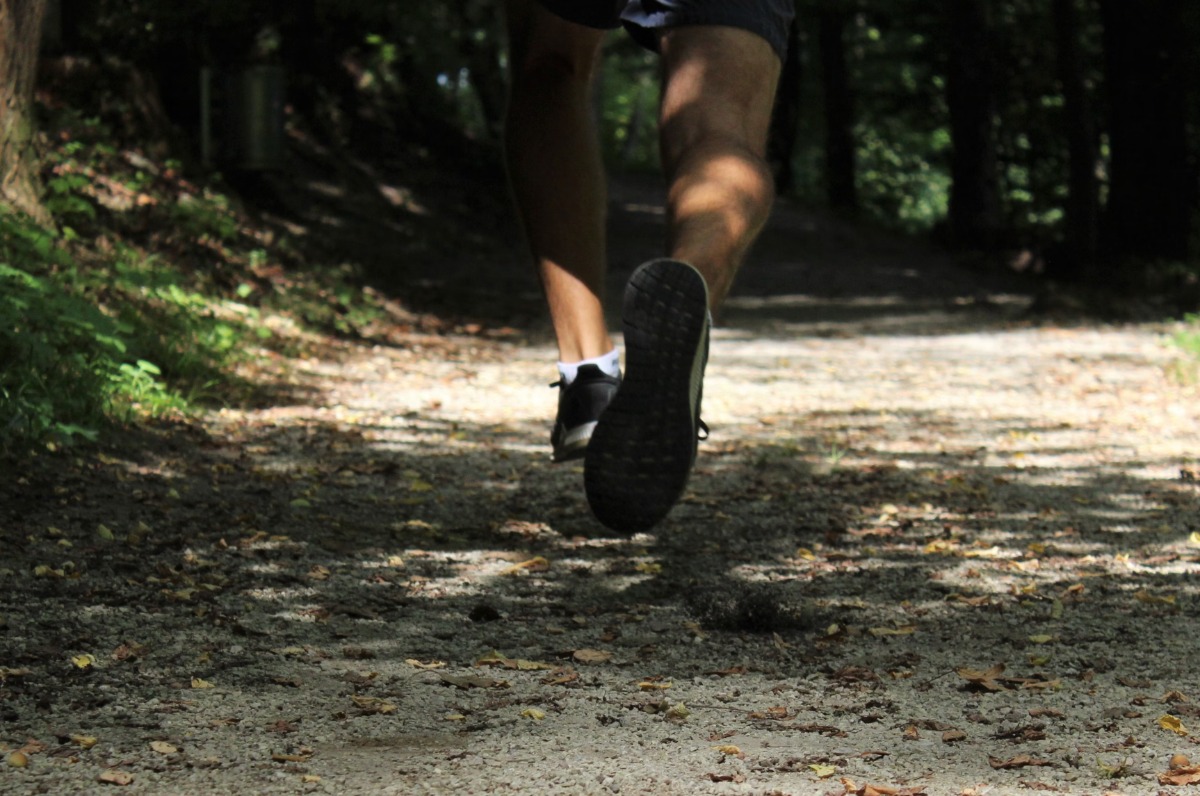
A trail of research papers over the last decade might leave clues to improving our running times…
Our ankles, knees and hips are responsible for generating force to run.
But we’re only as fast as the slowest teammate.
And our ankles are the weakest (research suggests our ankles can handle about 10x bodyweight, our knees 14x).
And so it makes sense that our ankles will fatigue fastest when we run—they’re maxing out.
Which loads up the knees and hips more, reducing our power output and running efficiency.
Interestingly, a 2018 paper found faster runners maintain ankle power better than the average punter.
Already a pretty good case for strengthening our ankles.
Then we bring in the age factor…
Research shows ankle strength declines from our 20s to our 70s. While, knee and hip force stays roughly the same. 👀
So any age-related decline hits our stride immediately.
To run faster (and stay fast as we age), add these exercises to your strength routine:
- Weighted knee over toe calf raises 3x5 each side
- Weighted calf raises 3x5 each side
Or you might just have your own Achilles’ heel.
That's it!
Have a great weekend 🤙
Matt

📬 Did someone forward this to you? I send an email like this every week. Join free here.
👇 If these emails aren't for you anymore you can unsubscribe below. No stress, they're not for everyone.
 Want more? Check out the Everday Athlete Toolbox and Elite Sleep Audit
The Everyday Athlete Newsletter is not a licensed health service nor a substitute for professional health advice, treatment or assessment. The information shared in this email is general and written for a specific audience. If you’re struggling, please see a healthcare professional.
0 comments