
👋 Hey. Welcome to issue #155 of The Everyday Athlete Newsletter.
Here are my 3 favourite ideas, learns and resources to help you improve your performance this week (4 min read):
🩺 What most menopause HRT plans ignore
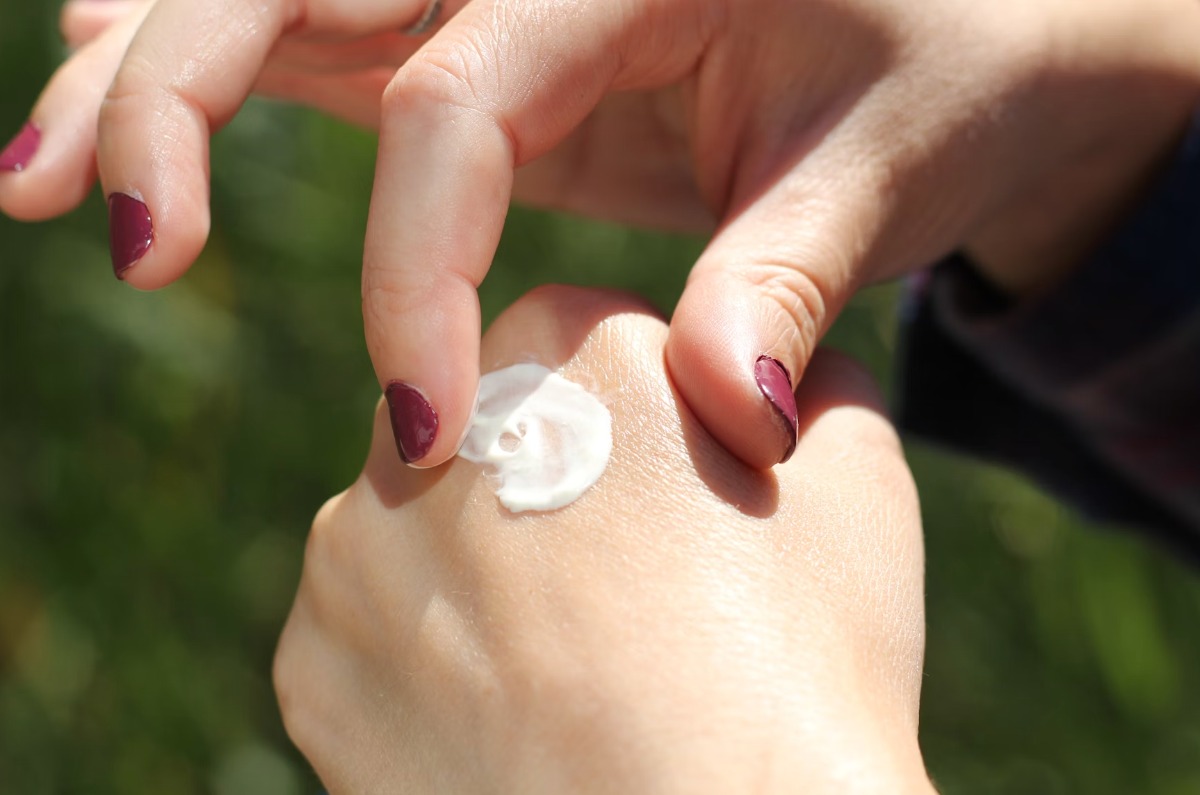
A new UK study followed 510 peri and postmenopausal women who:
- Were already on hormone replacement therapy (HRT) for estrogen and progesterone
- But still had persistent menopausal symptoms
The researchers introduced testosterone cream/gel.
4 months later... most were happier, clearer, and hornier.
- 😃 Mood: 47% improved
- 🧠 Cognition: 39% improved (less brain fog)
- 💦 Libido: 52% improved
Testosterone isn’t just for blokes. Women produce and need it too (just less). And when menopause hits, your levels have halved.
But most doctors focus solely on replacing estrogen and progesterone in a HRT plan.
So if you’re still battling mood, focus, or libido issues despite “doing everything right”, Louisa Nicola (a wizard in this space) recommends:
- 🩺 Find a provider - menopause specialist or functional medicine doc, prob not your average GP
- 📑 Bring the study - PMID: 39283522
- 🧪 Get tested - total testosterone, free testosterone, SHBG, plus full hormone panel including estradiol, progesterone, DHEA-S
- 🎯 Know the optimal ranges (not just “normal”) - Total testosterone: 15–70 ng/dL, Free testosterone: 1.0–8.5 pg/mL
You can’t out-train, out-diet, or out-supplement a hormone deficiency.
And ignoring testosterone might be the reason nothing’s worked.
🤕 Pain is more than just injury

Slides 2-4 of this post 🙌
A great explanation of why pain is more than just injury…
See, most of us grow up thinking pain = something’s broken. Stop.
But that’s not the full story..
Pain and injury aren’t the same thing.
Nerve signals and pain are processed separately in the brain. Which means pain isn’t always a perfect reflection of damage.
And after an injury, our nervous systems can get stuck in overdrive. Making harmless things hurt (allodynia) or increasing pain sensitivity (hyperalgesia).
When that happens, we're wired (and sometimes recommended) to stop doing things. But this creates a spiral..
- 🦵 The body becomes weaker
- 🩸 Blood flow decreases
- 😩 We become even more sensitive to pain signals
Before long, we're living life with the handbrake on because we're afraid of triggering more pain.
But when we keep moving. Intelligently. With guidance. And within our limits. We send a different message to our nervous system:
"This is safe. We're good".
Pain-free movement is the medicine.
Case in point…
💪 When rest wasn't the answer
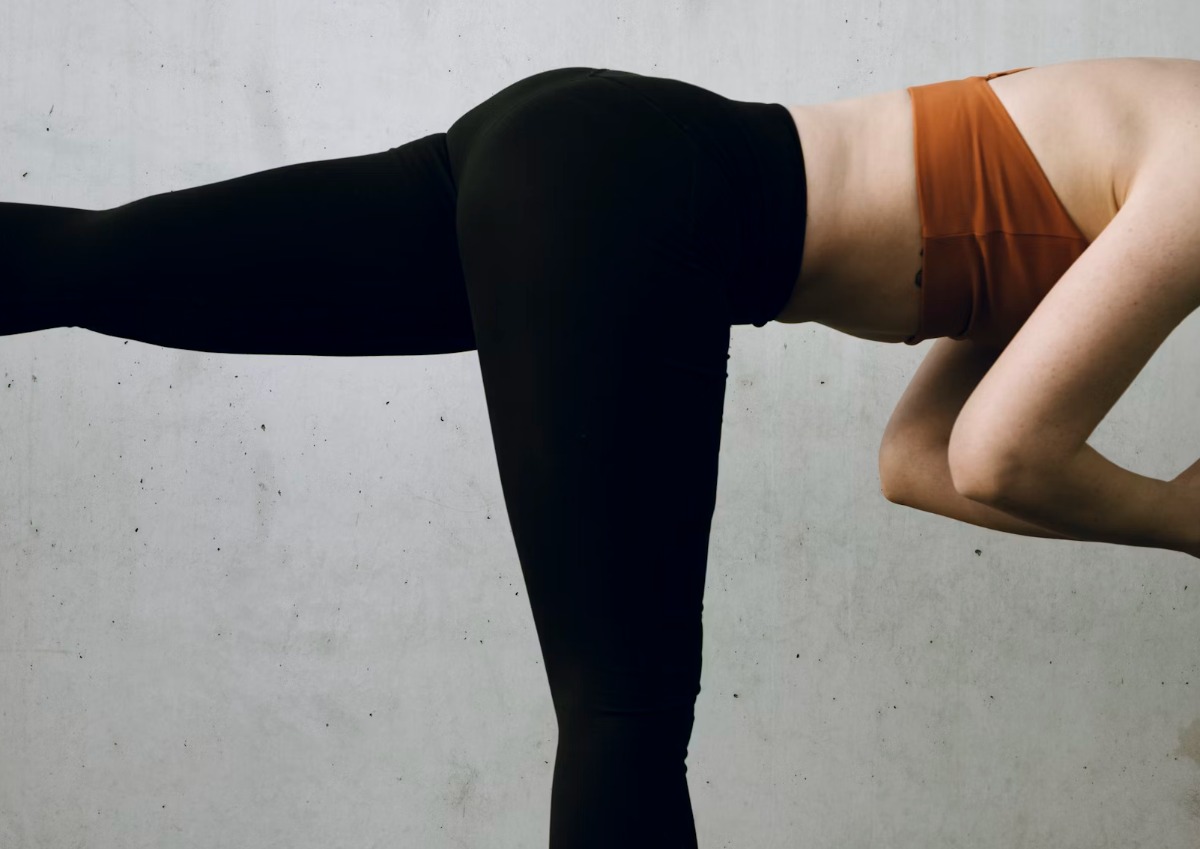
One of the very first clients started at my gym in November.
Within the first couple weeks she started to get mild low back pain (from a simple hip thrust movement).
The osteopath sent her for scans. Two spinal curves.. Scoliosis.
Over the next few months her pain was on and off.
She continued seeing the osteo. We modified her program. And included rehab exercises in it.
Then, one day (after doing everything right!) it triggered again. This time doing split squats. It was bad.
Two days later, she limped back into the gym. Barely able to stand upright.
But she showed up. 99% of people would have stayed in bed.
We found a way to keep her moving safely that day.
She kept seeing the osteo, doing her rehab, and working through a modified program.
4 weeks on the pain had practically gone. And 6 months on now it hasn’t come back.
She could have given up months ago (particularly after the last flare up).
Instead, she kicked on.
And now she's eating up the rewards of it.
So good.
Keep it moving.
That's it!
Have a great weekend 🤙
Matt
📬 Did someone forward this to you? I send an email like this every week. Join free here.
👇 If these emails aren't for you anymore you can unsubscribe below. No stress, they're not for everyone.
The Everyday Athlete Newsletter is not a licensed health service nor a substitute for professional health advice, treatment or assessment. The information shared in this email is general and written for a specific audience. If you’re struggling, please see a healthcare professional.
0 comments