 New Post from BiteofanApple
Lanterns In The Void: Science And Discovery
One of the fascinating things about new technologies or scientific discoveries is how they expose the cracks in our understanding of the world. New distinctions present themselves as evidence emerges to challenge the categories we previously constructed.
There are tons of examples of this, but one that I particularly like is a historical example. Aristotle devised a method of categorizing living creatures and after his death until the fifteenth-century, that system worked pretty well for European and Middle-Eastern scholars. Animals and plants fit into neat and tidy categories and their commonalities were explained by the relations of those categories. It wasn't until the return of settlers from the New World, who brought back new kinds of animals, did this paradigm shift.
If your system decrees that birds and mammals are different because one lays eggs and has a beak, then your system works mostly fine right up until the discovery of the platypus. Previously a distinction that seemed so complete, so useful, is gone and you're forced to redefine what you mean by mammal.
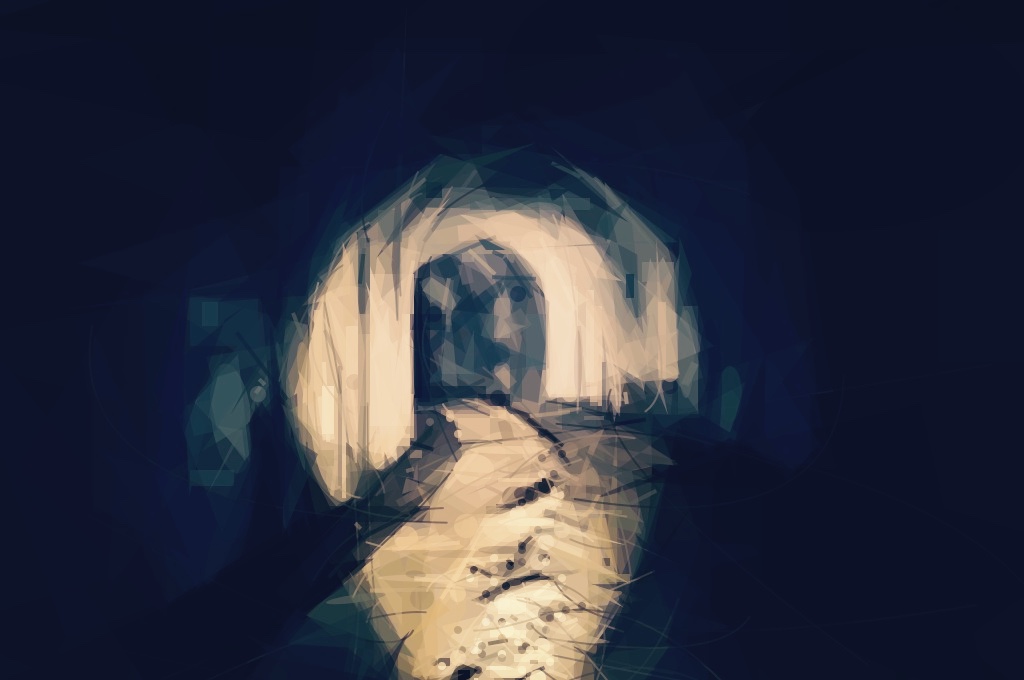
Kecko from Northeast corner of, Switzerland
CC BY 2.0, via Wikimedia Commons
Scientific discovery and technological innovation, at their best, are like this. They seek out new forms of distinction between things and challenge our ideas about how the world works. It's often said that science is a lantern that illuminates a portion of the dark void of ignorance. The more lanterns we hang the more of the void we can traverse and understand.
In this analogy, the goal is implicitly to hang more and more lanterns, to explore more and more of the terrain. the void is not a hallway with rigid walls, it's a vast expanse of unknown hills and utter blackness. If we imagine that one such explorer hangs lights at regular intervals then, over the course of their work, they forge a trail through the void of ignorance that others can follow. Their work can be forgotten over time, the lanterns may dim with age, but so long as others follow along, the light of knowledge is maintained.
0 comments