Hi
Every process plant has multiple Pressure Safety Valves (PSVs) protecting equipment from overpressure. But here's the critical question: How do we ensure the flare system can handle the worst-case scenario when multiple PSVs relieve simultaneously?
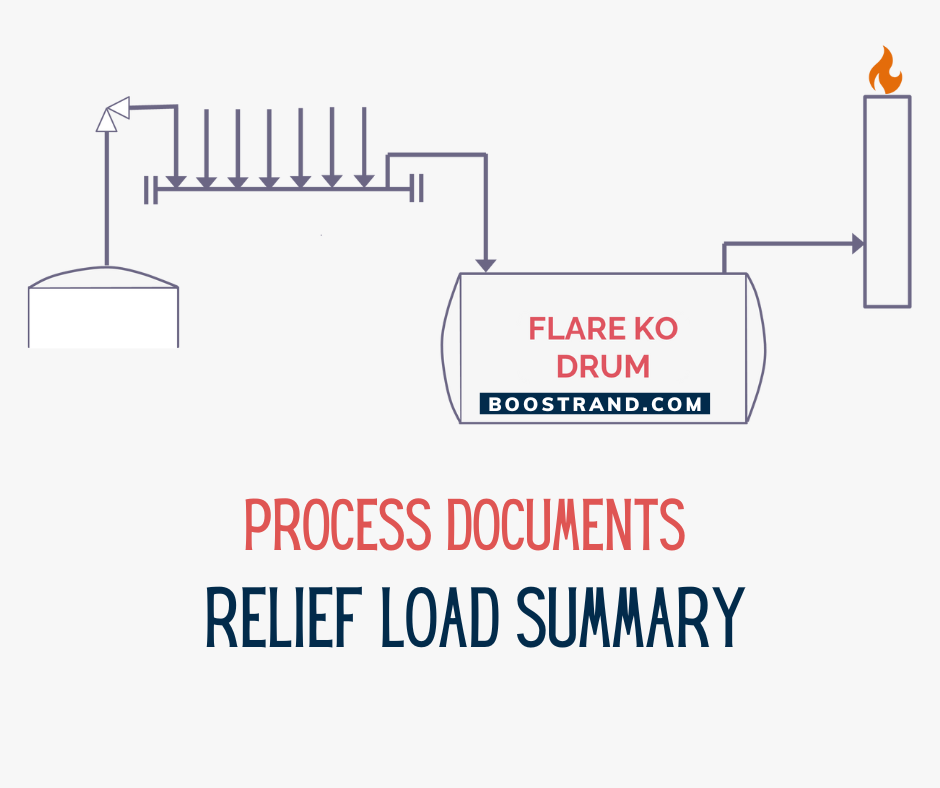
This is one of the most important responsibilities of a process engineer. Let me walk you through the key steps:
Evaluating Maximum Relief Load
The process engineer must identify all possible relief scenarios and common cause failures that could trigger multiple PSVs at once. These include:
- Total power failure
- Loss of cooling water
- External fire
- Instrument air failure
- Control system failures
Creating the Relief Load Summary
After analyzing all scenarios, the process engineer prepares a Relief Load Summary document. This critical document includes:
- Individual PSV relief rates and conditions
- Simultaneity analysis (which PSVs can relieve together)
- Peak combined load calculation
- Timing of relief events
- Flare radiation calculations
- Required mitigation measures
Sizing the Flare System
Based on the peak combined load, the process engineer then sizes:
- Flare headers and sub-headers
- Knockout drum
- Flare stack
This ensures the entire relief system can safely handle the maximum possible load without exceeding radiation limits or causing excessive backpressure on the PSVs.
Why This Matters
Proper flare system design is essential for plant safety. An undersized system could lead to excessive backpressure on PSVs, preventing them from functioning properly during an emergency.
Want to learn more about the complete set of activities and documents that process engineers prepare during project execution? Check out our comprehensive guide:
The Fundamentals of Process Design: Activities and Documents You Need to Know
This article covers all major process engineering deliverables including P&IDs, equipment sizing, hydraulic calculations, and other activities.
If you have any questions or suggestions, feel free to reply to this email.
Have a nice weekend!
Mohamad
0 comments