I’m a parent, a maker, and a fan of quiet afternoons that actually stay quiet. When the house turns rowdy, I print a few sheets and watch the mood shift in minutes—because Dog Coloring Pages For Free deliver quick joy without fuss. I share my own printable sets and curate others that families trust, and I publish them through ColoringPagesJourney so they’re easy to find, easy to print, and easy to love. Parents call them free printable coloring pages; teachers call them a calm start; kids just call them fun. This is low-cost family fun you can count on.
The Instant Joy of Dog Coloring Pages For Free
A dog on paper feels like a friend at the door—recognizable, cheerful, ready to play. That’s why kids jump in fast. No setup. No instructions. Crayons out, sleeves up, go. As a DIY activity, it’s the definition of grab-and-go: print two or three sheets, place a tin of crayons on the table, and you’ve got kids entertainment that starts right now.
Why Kids Light Up Right Away
Familiar subjects reduce hesitation. Puppies, big eyes, goofy ears—children know where to start. One color leads to the next. The page rewards every small choice, which keeps momentum high. They get that “ta-da!” moment quickly, and quick wins keep them at the table.
The Power of Simple Fun With Crayons
Coloring is tactile. Wax on paper, lines under your hand, the soft thud of a crayon box—these little cues ground attention. In a world of pings and pop-ups, mindful coloring is a reset. Kids breathe, settle, and finish something they can hold up and show.
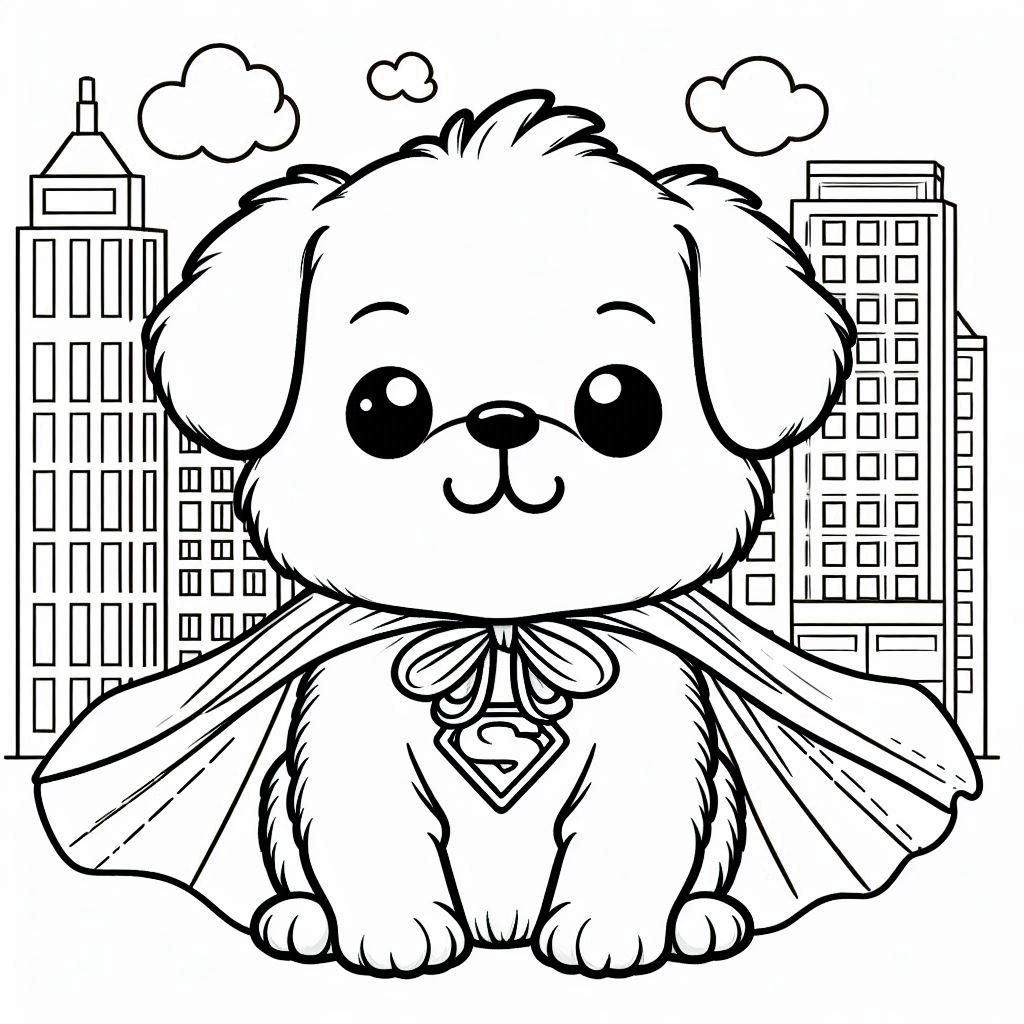
Children take a deep breath, calm themselves, and complete a task that they can display
Cute Dogs, Real Smiles at the Kitchen Table
Dogs are universal. From cartoon pups to real breeds, the faces are friendly and the stories write themselves. That’s fuel for imagination and chatter, which keeps everyone engaged a little longer—parents included.
Why Dogs Connect Better Than Other Animals
Dogs look back at us. Big eyes, tilted heads, expressive eyebrows. Even on a line drawing, that expression reads as playful and kind. Children project feelings onto the dog and color to match the mood—bright for happy, cool for calm, spots for silly.
Emotional Triggers That Make Kids Laugh
Hats on puppies. Bones in bowls. Collars with names. These tiny props invite jokes and mini-stories. Laughter is contagious; siblings lean in; the table turns lively in the best way.
Free and Accessible Anytime
The best activities are the ones you’ll actually do. Printing is easy. Paper is cheap. If a sheet gets crumpled, you print another. That takes the pressure off perfection, which keeps kids drawing instead of quitting. In the resource library I maintain through ColoringPagesJourney, I label sets by time and difficulty—ten-minute doodles, weekend packs, holiday themes—so families can choose fast. Many parents also search for Dog Coloring Pages Free when they want quick downloads and zero friction. For younger children, I include simple coloring pages for kids with bold outlines; teachers often request classroom bundles listed as free printable coloring pages so they can make a stack in one go.
Easy Printing for Busy Days
Ink-friendly designs with clean lines and white space mean you’ll get crisp prints without draining the cartridge. One click. One sheet. One calm child. On busier afternoons, I print a small stack, clip them to a board, and set them by the door for an after-school wind-down.
Why Free Pages Encourage More Coloring
Because the sheets cost nothing, kids feel free to experiment. If they color outside the lines, no big deal. If they want to start over, no guilt. That freedom invites bolder choices—unexpected palettes, mixed media, sticker add-ons. Creativity flourishes when the stakes are low.
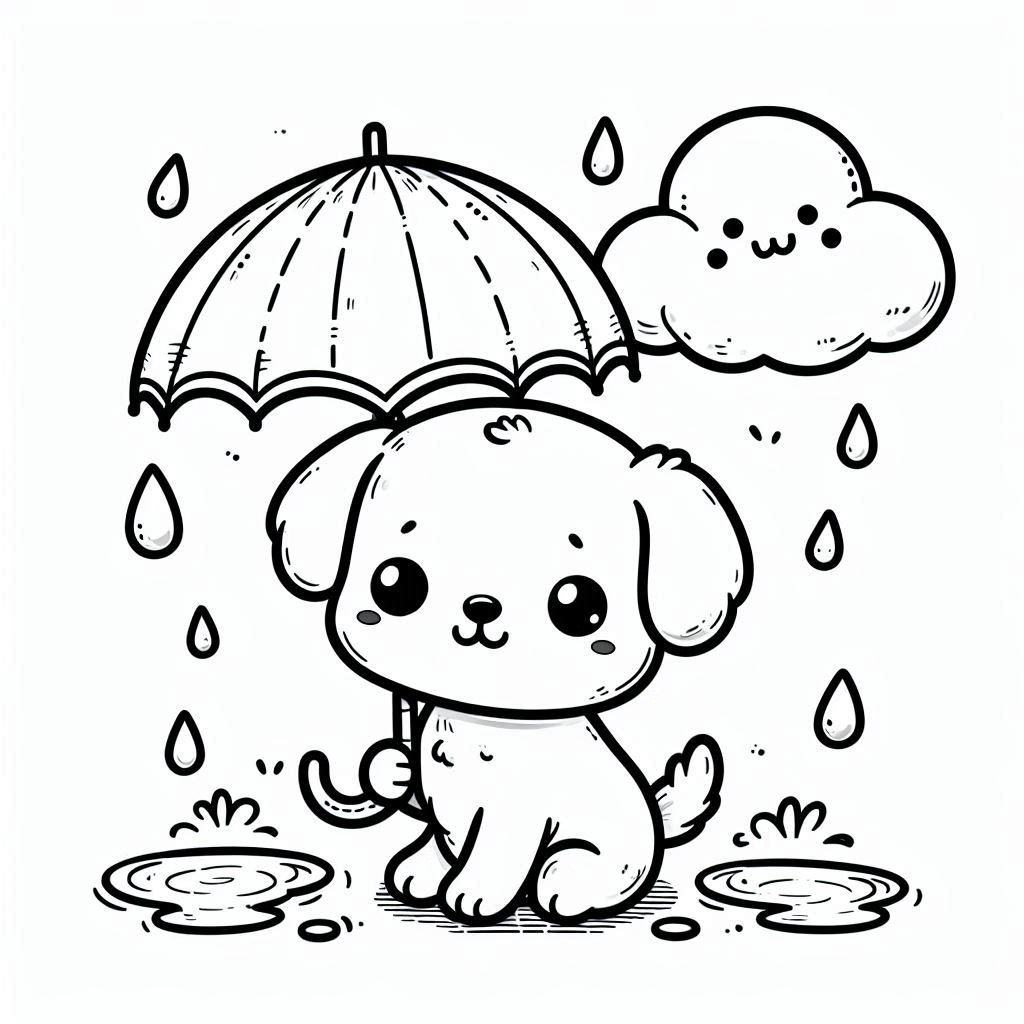
When the stakes are less high, creativity thrives
Learning, Focus, and Calm
Fun is the hook; growth is the bonus. The act of filling shapes builds fine motor skills and patience. Children practice attention the way runners build endurance—little by little, page by page. In 2025, child-development specialists continue to recommend coloring as a screen-free activity that supports early learning.
According to Dr. Helena Ruiz, EdD (primary education, 12+ years in UK state schools, former literacy lead), “Short, purposeful coloring—seven to twelve minutes—reliably settles a restless class. It’s not busywork; it’s regulation.” Professor Aaron Bell, PhD (cognitive psychology, University of Toronto; researcher on attention in early learners), notes in a 2025 lecture series that “structured mark-making improves visual discrimination and task persistence in the early years.” Their views mirror what I see around kitchen tables every week.
Teachers Using Coloring for Classroom Management
A quick routine works: hand out a sheet, set a soft timer, let pencils and crayons do their quiet magic. Students land in the room. Voices drop. When the timer dings, they’re ready for phonics or math. Librarians tell me the same thing: a small craft corner pulls kids in and keeps them focused.
How Kids Build Patience and Concentration
A page is a micro-project with a beginning, middle, and end. Children learn to plan—sky first, dog next, collar last. They learn to revisit a task after a pause. That rhythm carries over to homework, chores, and music practice.
Community, Sharing, and Pride
When kids finish a page, they want to show someone. That simple loop—create, display, hear “Nice work!”—builds confidence. Parents post to family chats. Teachers staple a few on the board. Peer praise feels good, and it motivates the next try.
Kids Posting and Showing Off Their Artwork
I encourage families to hang a rotating gallery on a hallway strip. A few pieces go up; new ones replace old ones. Children see progress with their own eyes. They start to notice color choices, cleaner edges, fun new ideas.
Confidence Through Peer Praise
A cousin says “Cool spots!” A friend says “I love the blue nose!” Small compliments add up. Over time, kids take more creative risks because they expect a warm reception.
Quick Answers for Parents and Teachers
Parents and educators have practical questions, so here are clear, skimmable answers you can use right away.
What age fits these pages best?
Ages 3–8 for most sets. Preschoolers like big shapes; early readers enjoy small details and captions. Mixed-age groups? Offer both in the same basket.
How do I make this a mindful routine?
Keep it short and predictable. Two deep breaths, crayons ready, soft timer set. Call it a “calm start.” Over days, kids learn the rhythm and settle faster.
Any tips for classrooms and libraries?
Bundle copies in tens. Put blunt scissors, glue sticks, and scrap frames nearby for quick displays. Label bins by theme—puppies, holidays, bedtime scenes—so children choose without crowding.
How can I stretch the activity without screens?
Invite storytelling. “What’s this dog’s name? What snack does it like?” Add a two-color challenge or a “spots and stripes” rule. Simple prompts keep attention alive.
Is there a way to save ink?
Yes. Choose line-art pages, print two per sheet for practice, and keep a draft tray for reprints. Kids often enjoy smaller postcards they can trade.
Parents’ Notes and Teachers’ Tips You Can Use Today
I publish with parent reviews front and center because practical feedback beats theory. Here’s a small sample from 2025.
“Three kids under seven. Two pages each. Ten minutes of quiet. Sold.” — Sophie R., Manchester, UK
“We use them as ‘calm starts’ before circle time. Transitions are smoother.” — Ms. Jamila H., Kindergarten Teacher, Toronto, CA
“My son colors a puppy while I prep dinner. We talk about names and colors. It’s our thing.” — Aria D., Austin, USA
“Low ink, big smiles. The bold outlines are perfect for small hands.” — Luis P., Madrid, ES
Midway through the year, our community asked for breed-specific sets and seasonal choices. I added huskies for winter and beach pups for summer. And yes, I heard the call for sturdier outlines for left-handed kids; those are now bundled in the “steady grip” pack curated with ColoringPagesJourney.
Materials, Sets, and Simple Upgrades
A short supply list goes a long way. You don’t need fancy pens to make a page sing.
What to Keep on Hand
A modest tray with crayons, a couple of soft pencils, tape for wall displays, and a clipboard for lap-coloring in the car. Add a few stickers for tiny rewards. That’s it.
Easy Variations Kids Love
Try a two-tone challenge, a “spot the pattern” game, or a “name the pup” caption at the bottom. Print a second copy and encourage your child to test a wild palette. The worst-case scenario? You print again.
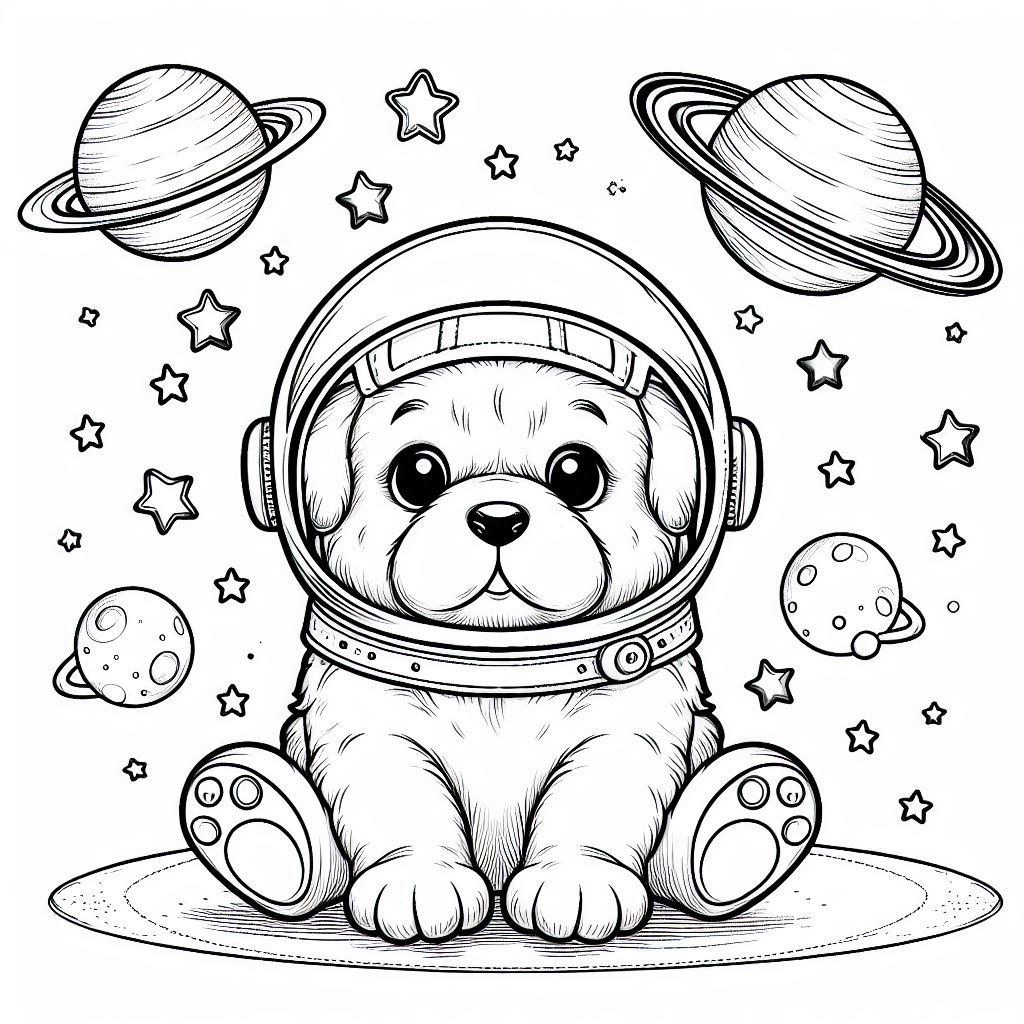
Encourage your child to experiment with a crazy palette and print a second copy
Story From Abroad: A Saturday in Dublin
On a damp Saturday this spring, I visited a library craft corner in Dublin. A librarian named Aisling had a quiet routine: place a basket of dog sheets near the picture books, set out three jars of crayons, and greet each child by name. No announcements, no fanfare. In ten minutes, the table filled. Parents sipped tea. Kids compared noses and tails. The scene was simple, neighborly, and calm—proof that small, printable joys travel well across borders and time zones.
Ready, Print, Smile
If you want a routine that works on tired school nights and long rainy Sundays, you want something that starts fast and ends with pride. That’s the promise I keep. Near the bottom of my collection, you’ll find a note that says Dog Coloring Pages (140+ Free Printable PDF Sheets) —a reminder that variety keeps the spark alive. And because I publish through ColoringPagesJourney, I can maintain consistent categories, fresh seasonal sets, and a gentle standard for ink-friendly design.
This article is produced and owned by ColoringPagesJourney—the site where I host and curate all of these family-tested sets. I share them because they work in my home, in neighbor homes, and in classrooms I visit. When you’re ready for a simple win, print one sheet, set out crayons, and watch the room exhale. Most of all, remember why you came: Dog Coloring Pages For Free that your kids will actually use, love, and proudly show.