Hello, coming happy weekend! ☀️
In this letter I would love to share, why obesity should be considered a disease and why it should be treated.
Obesity is considered a disease due to its complex nature and the significant impact it has on an individual's health. Here are several reasons why obesity is classified as a disease and why it should be treated:
- Health Implications: Obesity is associated with a wide range of health problems, including cardiovascular diseases, type 2 diabetes, certain cancers, respiratory issues, and musculoskeletal disorders. Treating obesity can help prevent or manage these conditions, improving overall health and well-being.
- Biological Factors: Obesity involves various biological factors, such as genetic predisposition, hormonal imbalances, and metabolic dysregulation. These factors contribute to an individual's susceptibility to weight gain and make it challenging to maintain a healthy weight through lifestyle changes alone.
- Psychological Impact: Obesity can have a profound impact on mental health, leading to issues such as depression, anxiety, and low self-esteem. Treating obesity involves addressing both the physical and psychological aspects to promote a holistic approach to well-being.
- Economic Burden: both private and public. Obesity may limit person's ability to work with high enough interest and intensity according to age, thus limiting the ability to earn enough. Obesity places a significant economic burden on healthcare systems too. The costs associated with treating obesity-related diseases and complications, as well as the indirect costs related to decreased productivity and increased absenteeism, highlight the importance of addressing obesity as a public health concern.
- Quality of Life: Obesity can significantly reduce an individual's quality of life by limiting physical activity, affecting mobility, and impairing social interactions. Treating obesity can improve a person's ability to engage in daily activities, enhancing their overall quality of life.
- Lifestyle Change: While genetic and biological factors contribute to obesity, lifestyle choices also play a role. Treating obesity involves promoting healthier habits, such as regular physical activity and a balanced diet, to prevent further weight gain and improve overall health.
Treating obesity as a disease is essential. Combining medical interventions, lifestyle modifications, and potentially psychological support can be effective in managing obesity and its associated health risks.
Bariatric or weight loss surgery is considered the most effective tool in treating severe obesity in todays medicine. Weight Loss Latvia / Sigulda Hospital is one of the leading bariatric surgery providers in Latvia since 2009.
🌟🌟🌟🌟🌟 Experience & high medical, safety and ethic standards in our daily work help us to provide the world's top quality medical service to our patients.
👉 If you would like to have a free, honest, open conversation about your weight issues, health, goals and wishes, please apply for a free consultation!

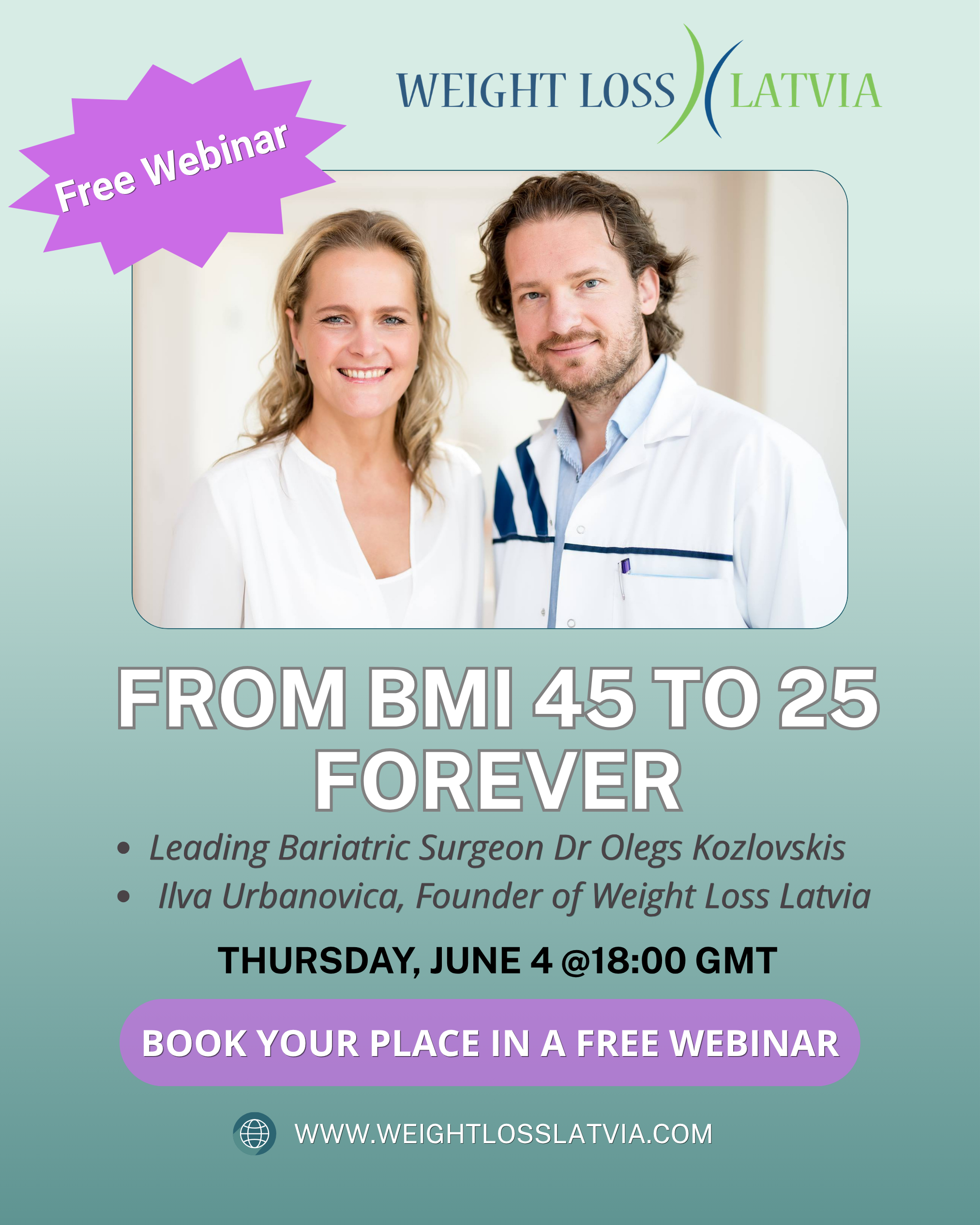
Generaal and bariatric surgeons Dr Juris Zarinovs & Dr Olegs Kozlovskis, Sigulda Hospital
Warmest regards,
Ilva Urbanovica
Weight Loss Latvia
www.weightlosslatvia.com

Phone / Whatsapp: +371 29148884
Calls in the UK: +447520636921
Email: [email protected]
Weight Loss Latvia / Nordmed Tour Ltd
Address: Zemitana 9, Riga, LV 1012, Latvia
Reg No: 40103348192
Weight Loss Latvia provides bariatric surgery at Sigulda Hospital in Latvia.
Surgeries provided:
Gastric bypass € 5870
Sleeve gastrectomy € 5870
Mini gastric bypass € 5870
SADI S € 5870
Band removal + reconstructive surgery € 6470
0 comments