
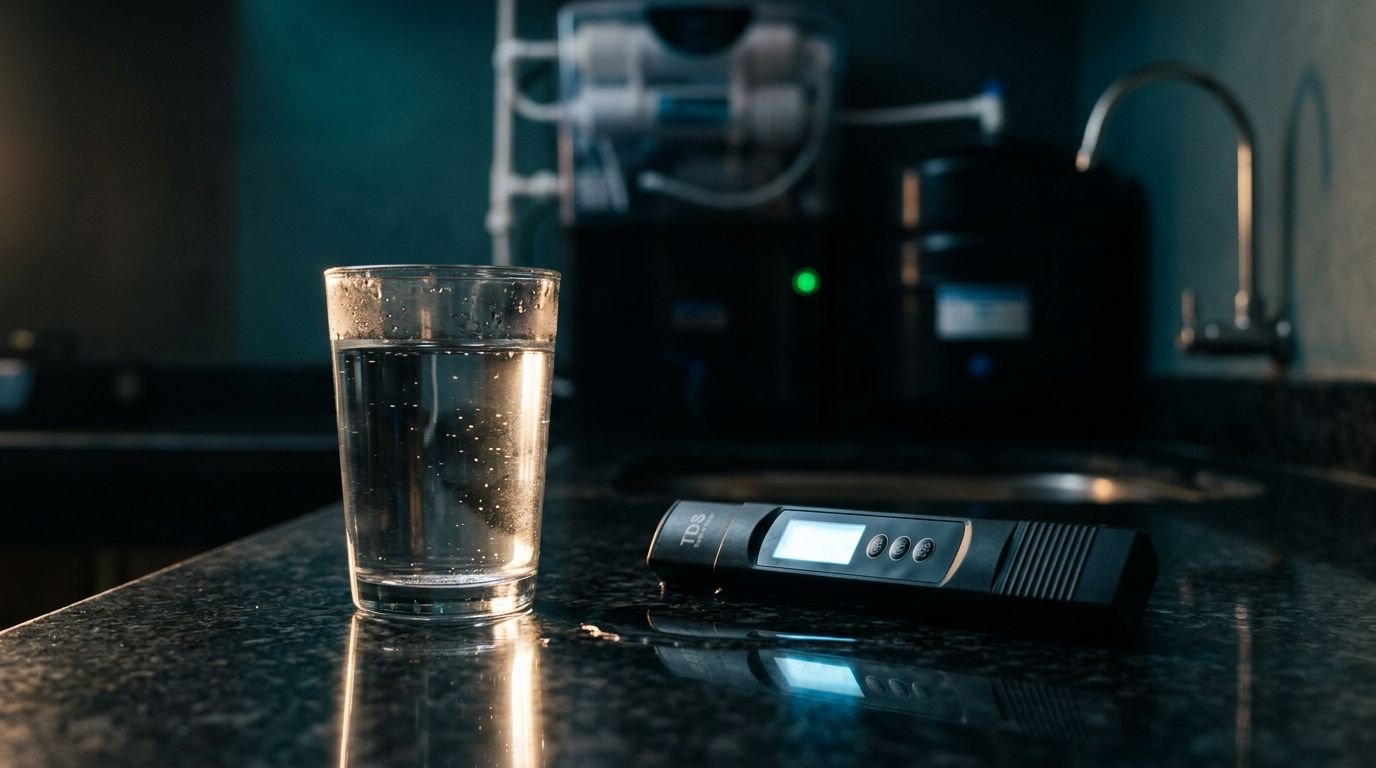
Water TDS in India: What That Number Really Means
That “28 ppm” on a purifier display can look reassuring. It doesn’t prove a safe TDS level. water TDS in India is a…
Read article →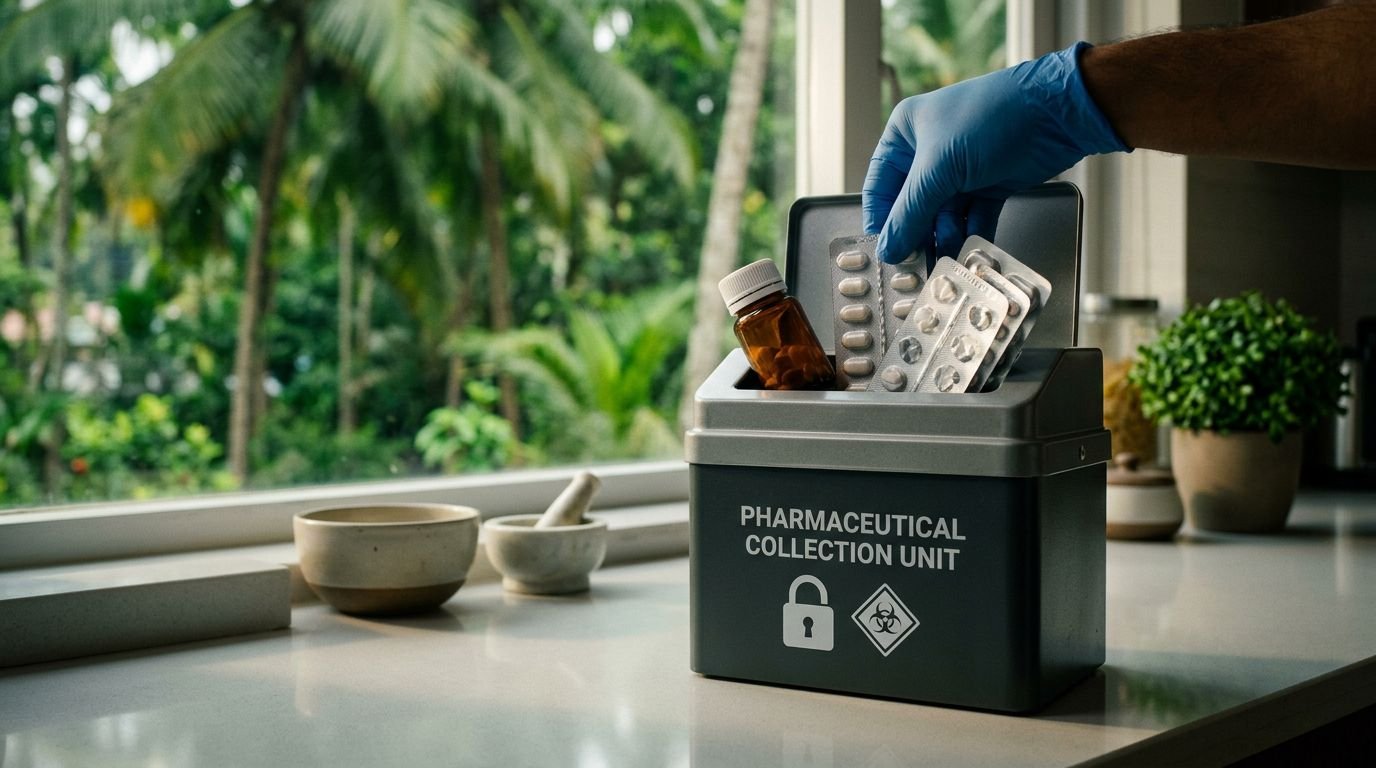
How to Dispose of Expired Medicines Safely in India
The most dangerous place for an expired tablet may be your bathroom bin. A minor household chore can raise questions…
Read article →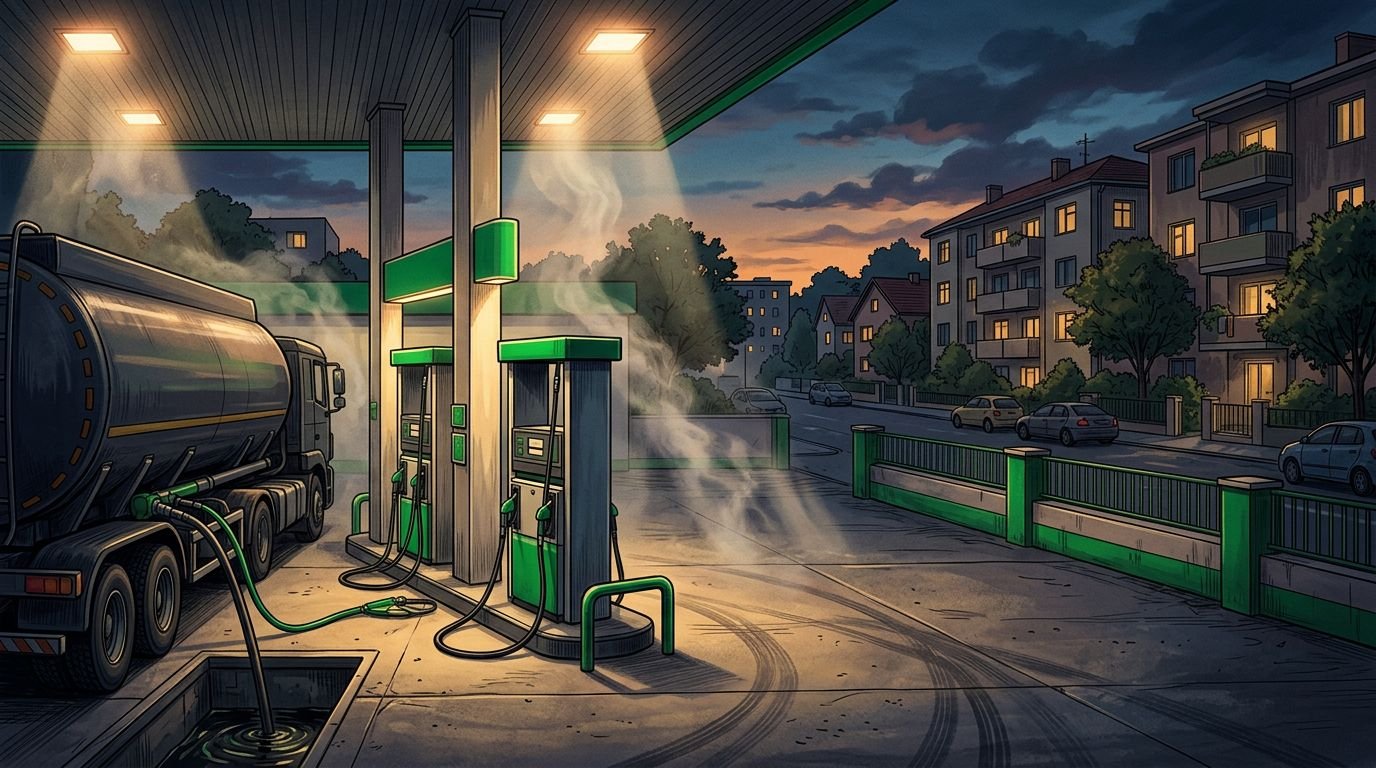
Benzene Near Petrol Pumps: A Community Guide for India
A petrol pump may look harmless at noon, then release sharp vapour bursts as a tanker unloads or cars refuel. The danger…
Read article →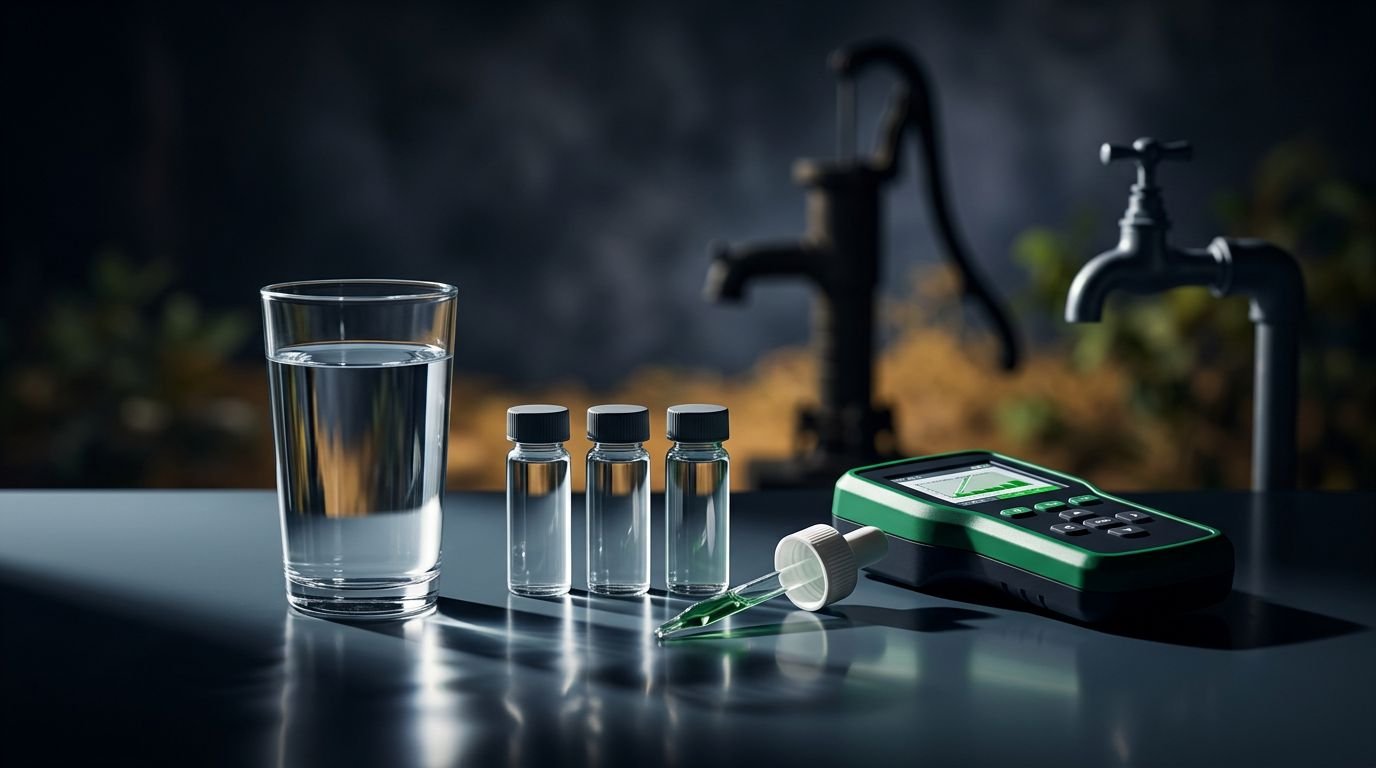
How to Test Indian Drinking Water for Arsenic, Fluoride, and Nitrate
Clear water can carry the hardest part of India’s water crisis. You cannot smell arsenic, fluoride, or nitrate. You…
Read article →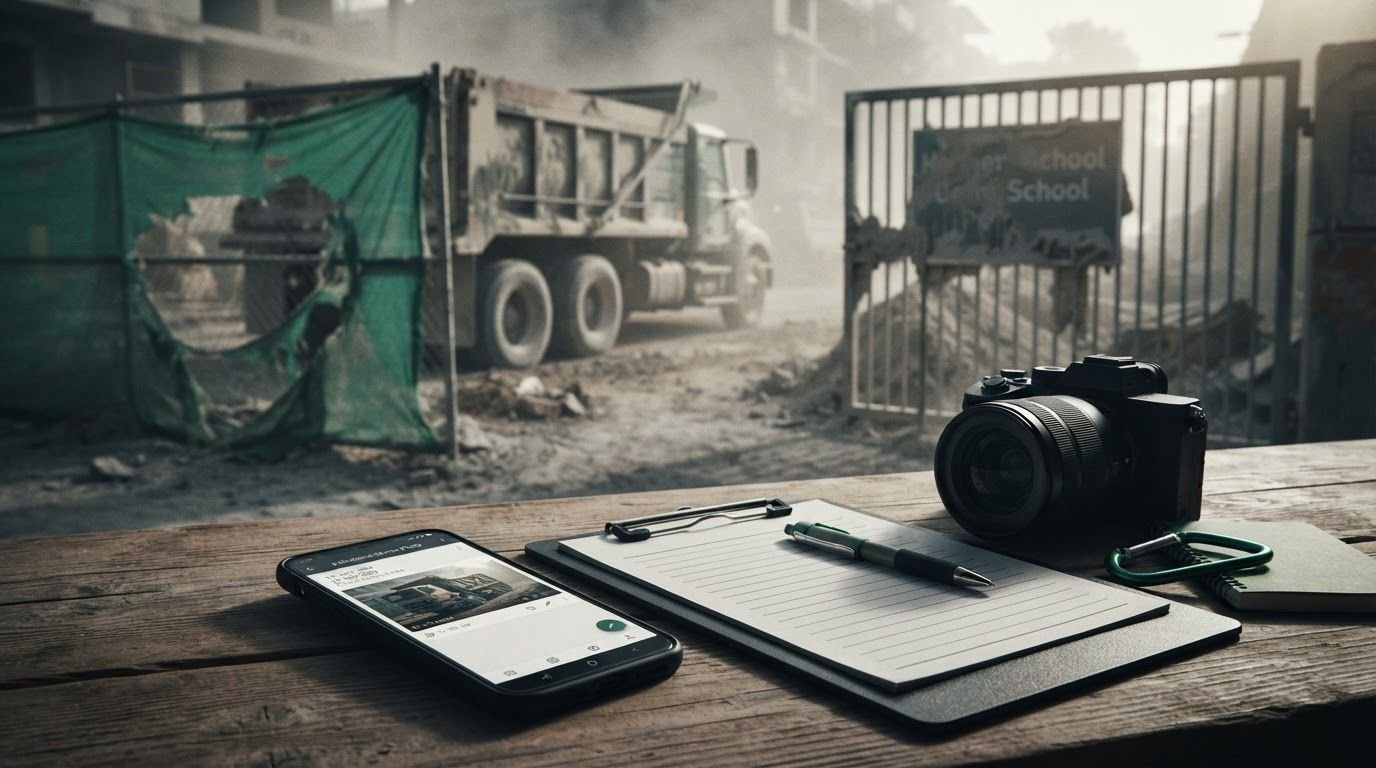
How to File a Pollution Complaint in India That Gets Action
The photo that gets a construction site inspected is rarely the dramatic one. It is the boring, time-stamped image of an…
Read article →
How to Check Factory Pollution Permits Online in India
A permit number can look clean on a screen. It doesn’t reveal whether an environmental pollutant is reaching a drain,…
Read article →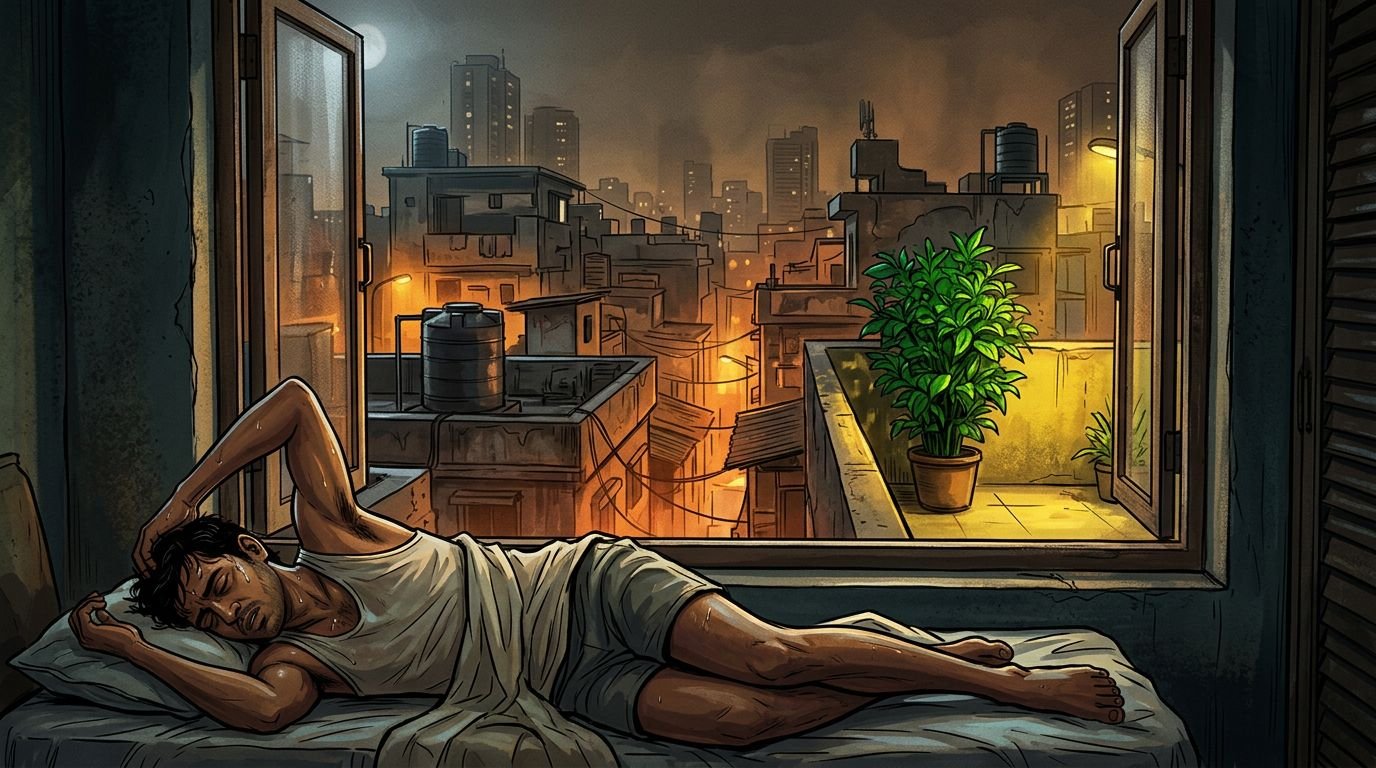
Nighttime Heat in Indian Cities Is a Health Emergency
At 2 a.m., heat can turn a bedroom into the most dangerous room in the house. You have finished the day, but your heart,…
Read article →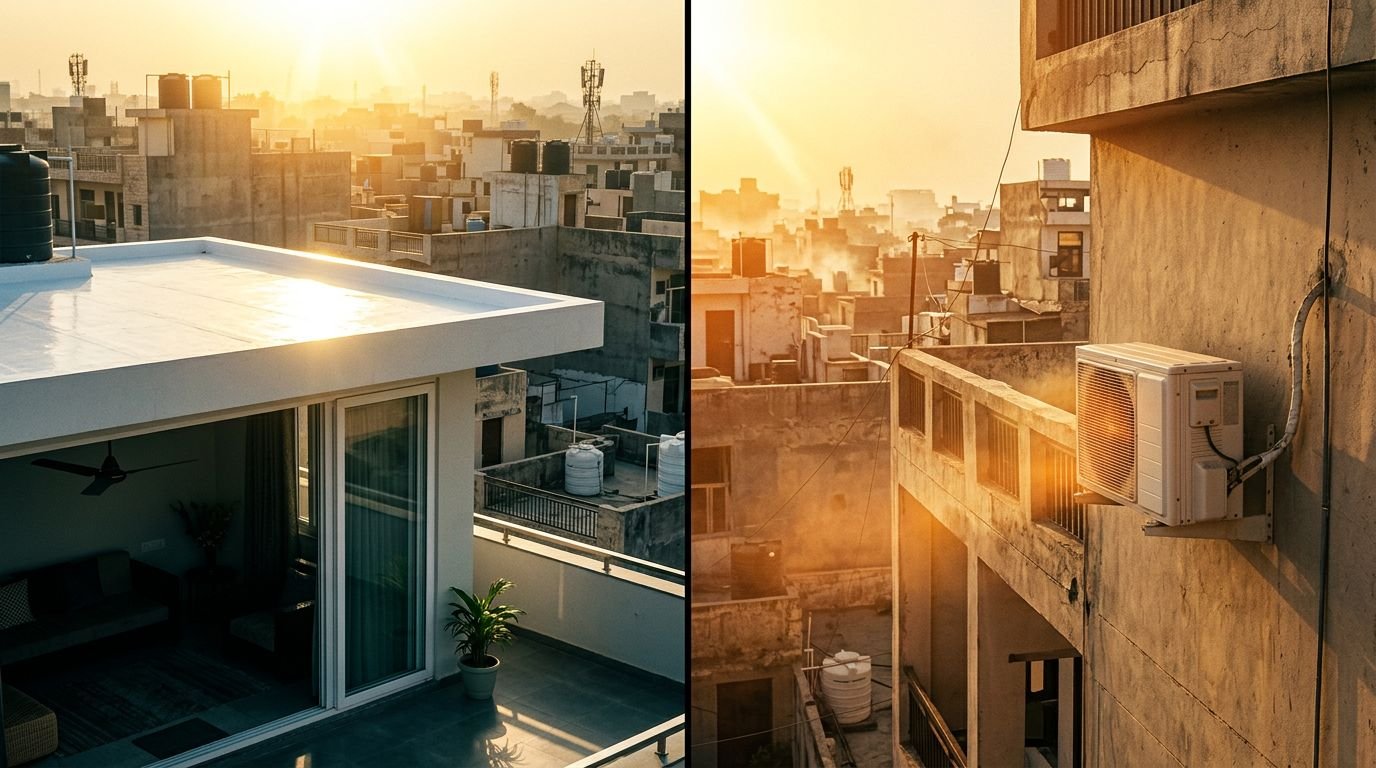
Cool Roofs vs AC: Start at the Roof in Indian Heatwaves
An air conditioner can win one room and still lose the building. On a top floor in Delhi, Ahmedabad, or Nagpur, a roof…
Read article →