Hello all,
Thanks so much for joining me here. I’m excited about creating something different to the usual social media content, and hopefully connecting in a slightly deeper, more meaningful way.
I’ll start with what I’ve been up to creatively lately… Throughout the autumn, I’ve been working on short stories (3-4k words), which is something new to me and a lovely challenge. The first two came out at over 8k – (not short!) – but I think / hope I’m finally learning how to say more with less words.
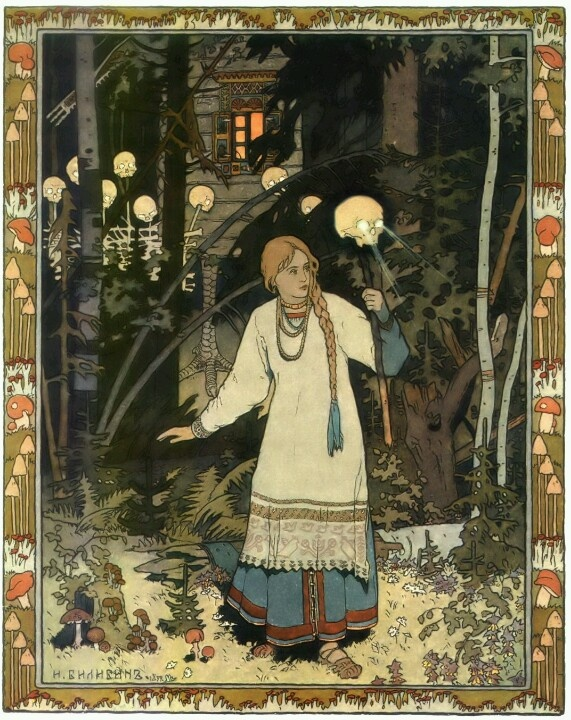
One of the stories I’m working on, which I’ll share a sneak peek of in a moment, is a retelling of Vasilisa the Fair, my favourite fairy tale of all time. It’s the story of a young girl who, with the help of a magic doll, wins a glowing skull from Baba Yaga, to escape her cruel stepmother. The story is rich in symbolism, and can be interpreted as being about the journey from subservience to strength and independence, the passing on of wisdom from our ancestors, and that things are not always what they seem1. The illustration here is by Ivan Bilibin,1899.
In retelling this tale, I aim to stay fairly close to the original, but I am making some changes to hopefully remove some of the stereotyping that I don’t feel comfortable with. At the moment, my version is called Baba Yaga’s Light, although I’m thinking of changing it to The Magic Doll. This opening is unedited (so please be kind!)…
Vasilisa pulled her shawl tight around her body as she stepped into the forest. It was a midwinter night, deathly cold, and she was scared.
There were no paths to guide her through the thick tangle of branches ahead, and her clothes were too thin to protect her from the bite of thorns, or frost, or wolves. And there were the rumours about Baba Yaga, the old woman who lived deep amongst the trees. It was said she was a witch, a monster, that she eats people.
Vasilisa’s breath became quick and shallow with panic. She reached into her pocket for her motanka – the little doll her mother had made for her, with love and magic, before she died. Vasilisa’s breathing calmed. Her motanka would surely help her now, as she had done so often before.
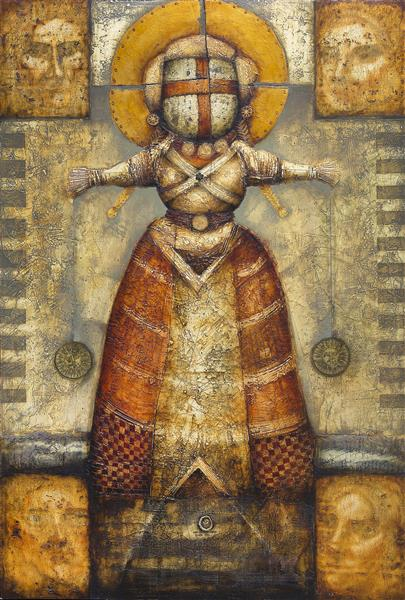
Motankas are traditional Ukrainian guardian talismans with a long and fascinating history2 (the painting of a motanka here is by Oleh Denyenko, 2016, found on Wikiart). Motankas are carefully created to act as a temporary home for ancestor spirits to watch over someone. They are never given faces for this reason – as it is believed a face would attach a soul to the doll permanently, and the ancestor spirits should be free to come and go.
Having ancestors watching over us can be such a comforting thought, and in difficult times it can be helpful to turn to the wisdom of those who have walked similar paths before us.
But of course, it is important, and helpful, to listen to people walking alongside us today, too, on both similar and different paths. And on that note, before I sign off, I shall share a few contemporary recommendations, my ‘Books of the Moment’…
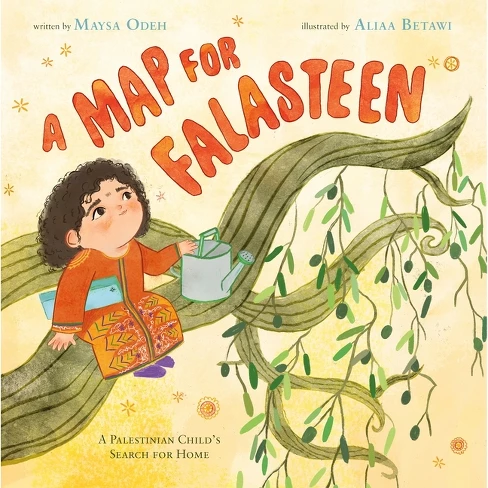
In picture books, A Map for Falasteen by Maysa Odeh and Aliaa Betawi is a beautiful, heartfelt story about a young girl, Falasteen, who, struggling to find her homeland on a map, turns to her family for answers. There is an interview with the author, along with some illustrations from the book here: MacKids Spotlight: Maysa Odeh – MacKids School & Library.
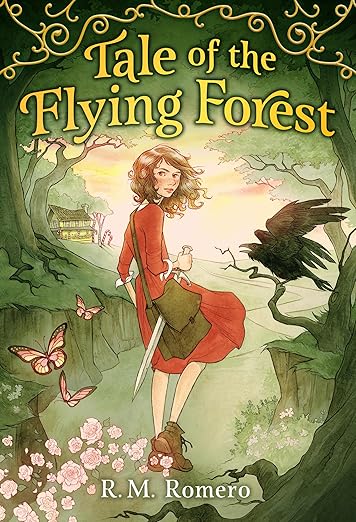
In middle grade, Tales of the Flying Forest by one of my all time favourite writers, R.M. Romero, illustrated by E.K. Belsher, is a wonderful, magical portal, fairy tale adventure, inspired by German and Jewish folklore, the Torah, and Raina Maria Rilke. I read it what seems like ages ago, to blurb (rich, lyrical storytelling in a breathtakingly imaginative world), and it's finally publishing early next month.
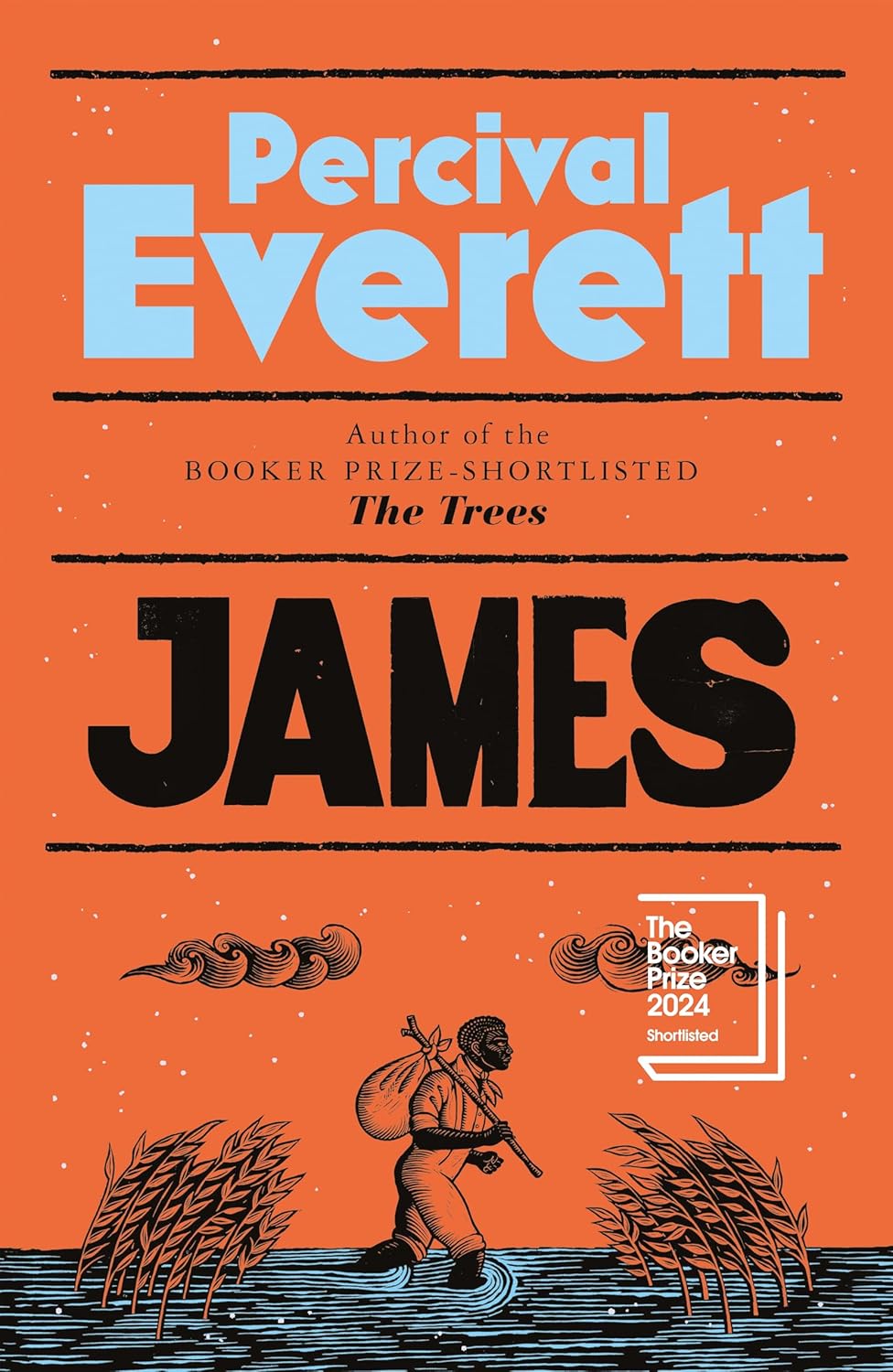
For the grown-ups James by Percival Everett is as brilliant as everyone says it is. And in non-fiction, I’ve been dipping into all sorts, but am especially enjoying Ursula K. Le Guin’s Dancing at the Edge of the World which contains a feast of her talks, essays, and reviews (from the 70s and 80s, but I'm counting this as contemporary because it still holds so much relevance today). There is much to love in here and one of my favourites, The Carrier Bag Theory of Fiction, is, wonderfully, available to read free here: Still Moving | The Carrier Bag Theory of Fiction.
Finally, I’d like to offer a treat for you lovely folk who have subscribed to this, and read all the way down to here! So, if you’d like to respond to this message with thoughts, suggestions, or simply a Hello, I’ll pop names in a hat and choose three of you to receive a signed book of your choice, for yourself, or to gift to someone else. And because I’m not sure if SendFox put my e-mail on these newsletters, it’s [email protected].
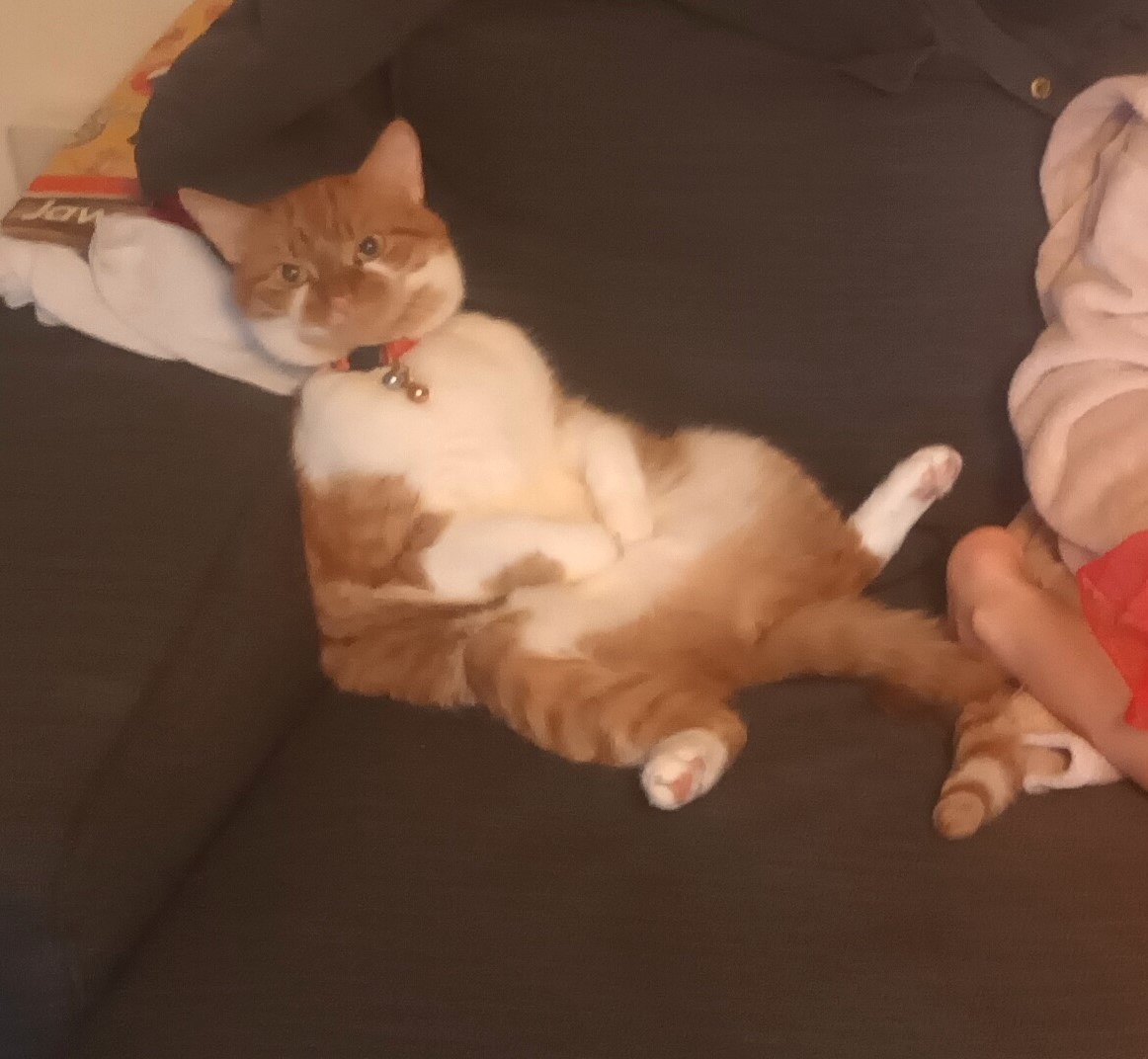
Wishing you all a wonderful November, with love from Sophie, and the cat who lives here and likes to sit like this...
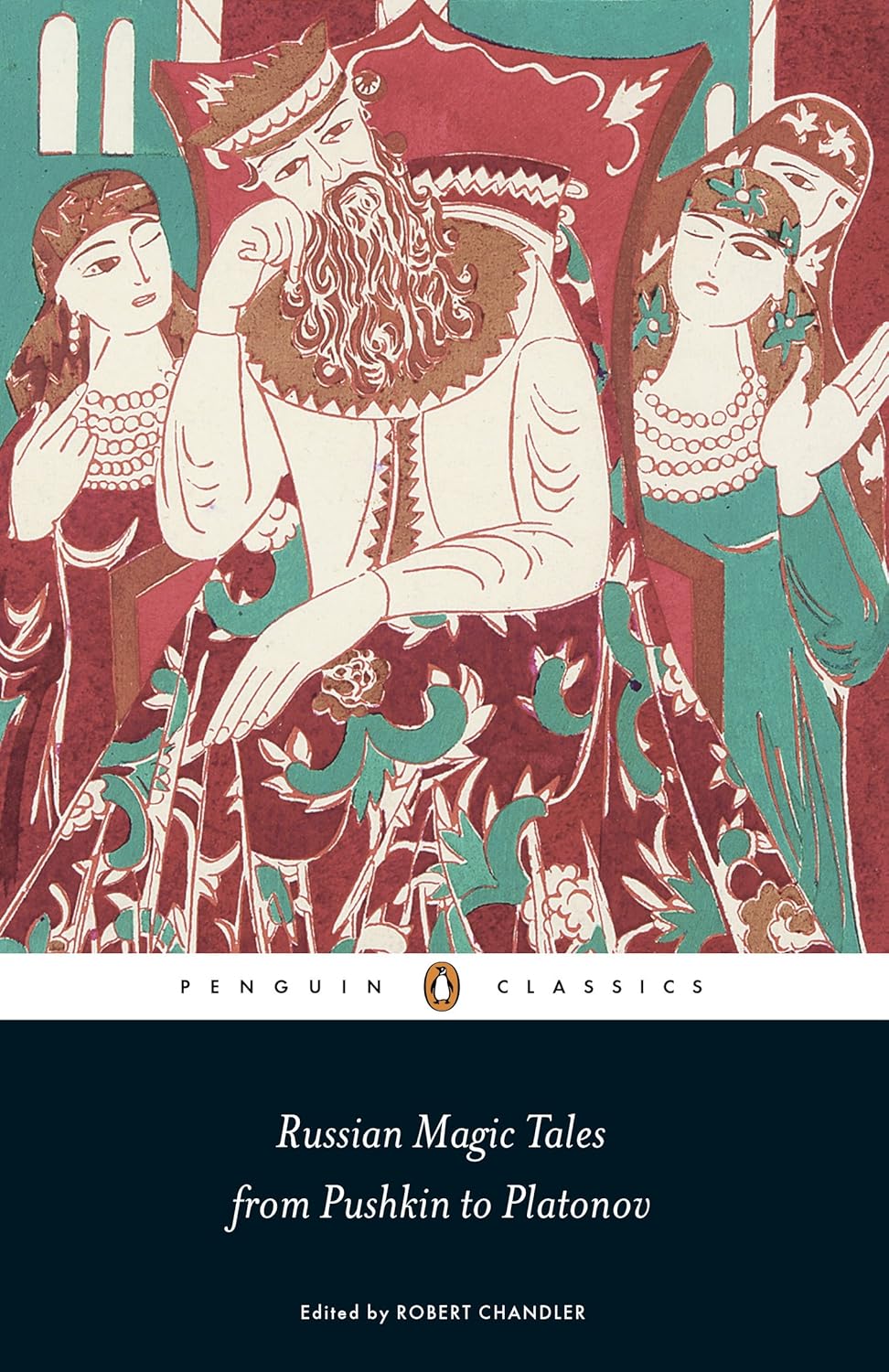
1 For those who fancy reading the original Vasilisa the Fair, I recommend Robert Chandler’s translation, which can be found in the excellent Russian Magic Tales from Pushkin to Platonov.
Ivan Bilibin’s iconic illustrations of the tale can be found free online (Vasilisa Prekrasnai︠a︡ : Free Download, Borrow, and Streaming : Internet Archive), or if you’d like to see them printed in a book, Russian Fairy Tales published by The Planet is lovely, although has Post Wheeler’s slightly more old-fashioned translation.
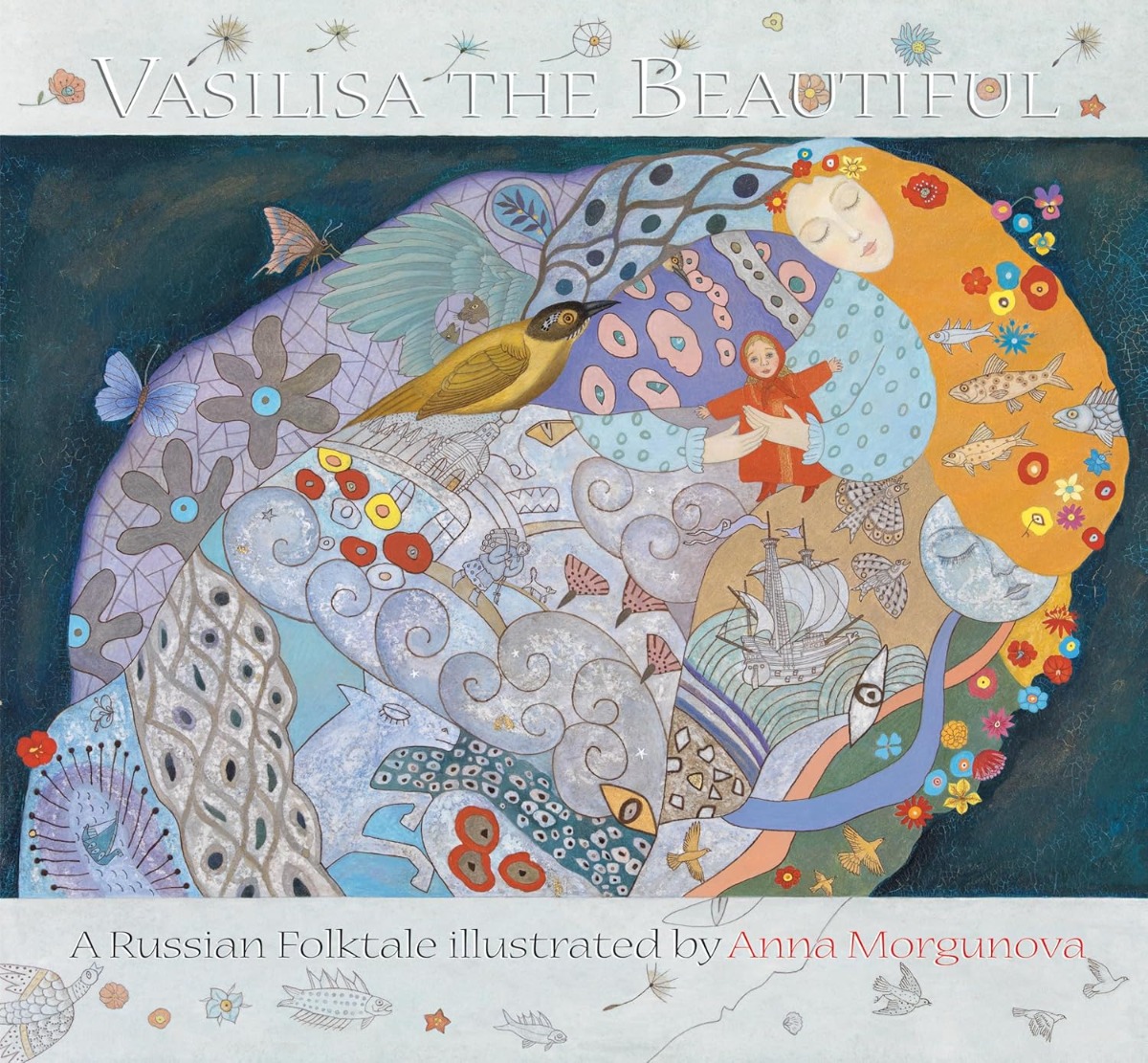
I also love a 2015 picture book of the tale, Vasilisa the Beautiful, translated and retold by Anthea Bell and illustrated by Anna Morgunova.
My favourite analysis of Vasilisa the Fair can be found in Women Who Run with the Wolves by Clarissa Pinkola Estés
2 This is a lovely piece about motanka: The history of Motanka, a traditional Ukrainian guardian doll. – Ukieology Fashion and Decor, and there is more information, along with instructions for making one, in Baba Yaga’s Book of Witchcraft by Madame Pamita.
0 comments