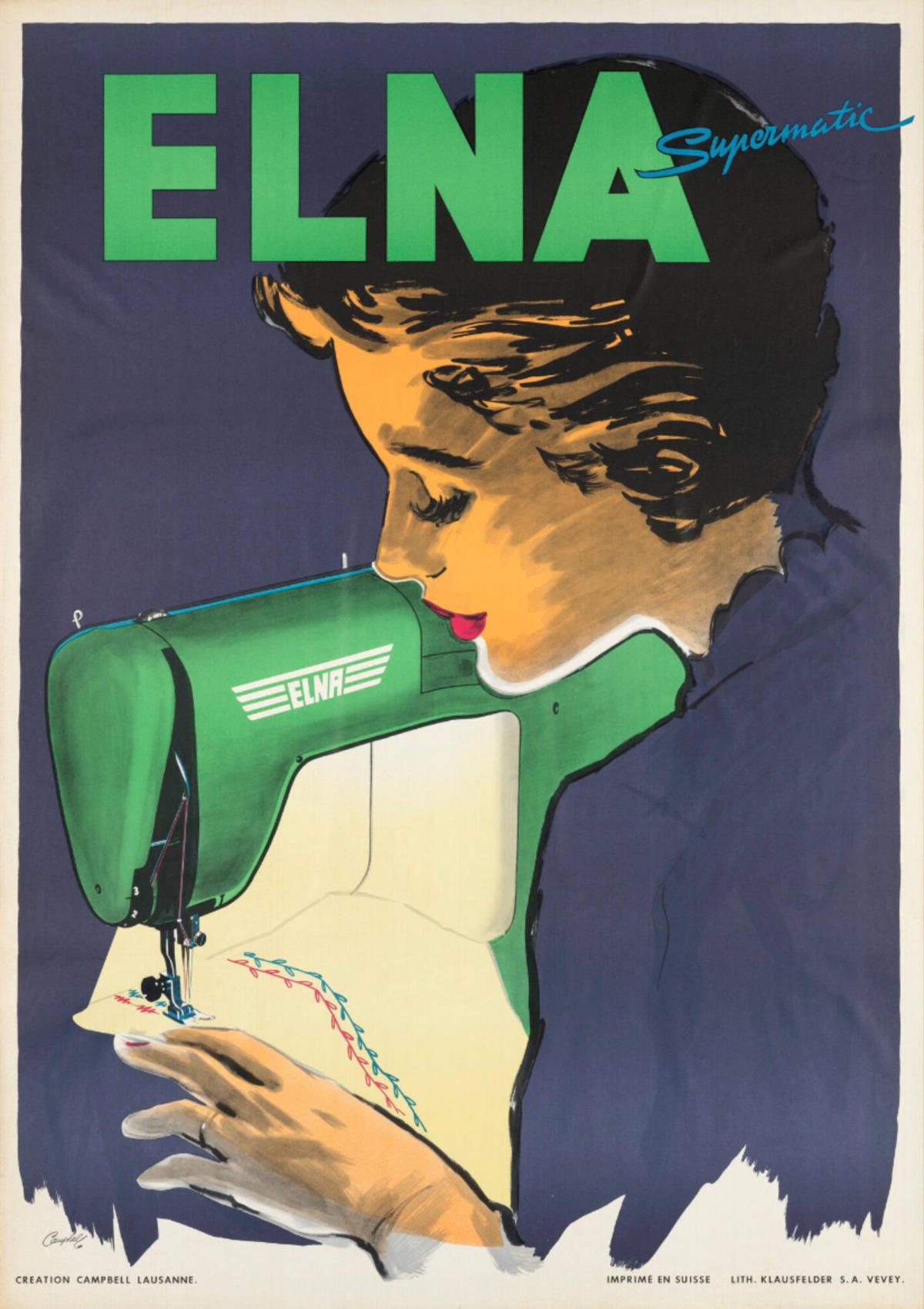
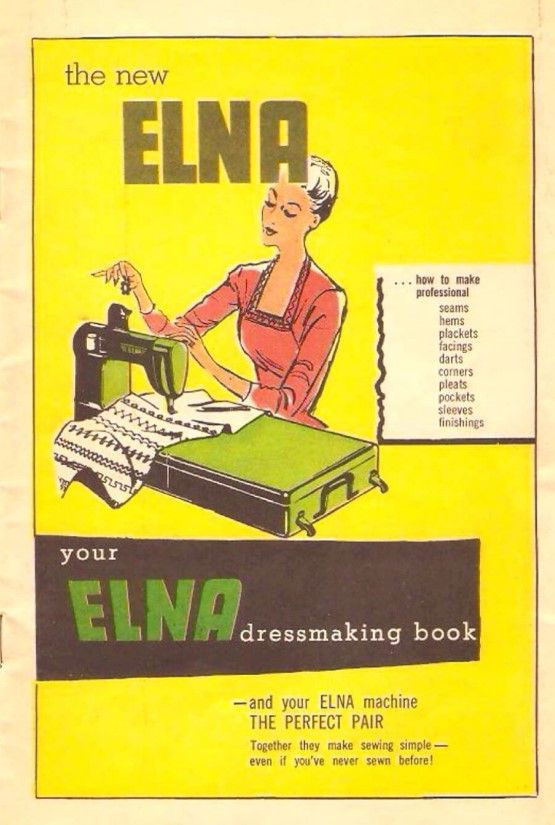
We're wrapped to have you in our community of sewing, crochet, cross stitch, knitters and vintage machine enthusiasts at SewingNZ. Whether you’re an experienced seamstress or just starting your sewing adventure, we're here to support your creativity and passion.
What We Offer:
At SewingNZ.com, we specialize in providing quality scans of vintage sewing, crochet and knitting machine manuals in PDF format. Explore our extensive collection featuring brands like Singer, Janome, Brother, and many more. Each manual is available for immediate download, ensuring you have the guidance you need at your fingertips.
Use our 30% off Coupon Code XGRW70M10 on your next purchase at sewingnz.com
🧵 How to Read and Adapt Charted Patterns Across Crafts
Unlocking the secrets of symbols, stitches, and swaps
Charted patterns are a fantastic way to visualize your next project, especially in crafts like knitting, crochet, cross-stitch, and plastic canvas. But what happens when you fall in love with a charted design in one craft and want to adapt it to another? Good news—you can, and we’re here to help!
📊 What Are Charted Patterns?
Charted patterns use grids, symbols, and colour codes to represent stitches or design elements. They can show everything from cable layouts in knitting to intricate motifs in plastic canvas, or even colourwork in crochet.
Each square usually equals one stitch, but interpretation depends on the craft:
- In knitting, a square might represent a knit, purl, or decrease.
- In crochet, it could mean a chain, single crochet, or double crochet.
- In plastic canvas, a square often stands for a full stitch in a particular yarn colour.
- In sewing/appliqué, grids can guide embroidery stitches or patch placements.
🧠 Learn the Language of Symbols
Before adapting, understand the chart's "legend." Look for:
- Stitch type symbols (dots, slashes, etc.)
- Colour blocks or codes
- Directional clues (arrows or row numbers)
Pro Tip: Keep a printed legend handy when working—symbols often vary by designer or country.
🔁 Adapting Between Crafts: The Basics
Let’s say you find a plastic canvas chart you’d love to crochet, or a knitting colourwork chart that would look amazing in cross-stitch. Here’s how to bridge the gap:
🧶 Knitting ↔ Crochet:
- Choose similar gauge yarns.
- For colourwork, use tapestry crochet instead of stranded knitting.
- Replace complex cables with post stitches or surface crochet for texture.
🧵 Cross-stitch/Plastic Canvas → Crochet/Knitting:
- Convert each chart square to a single stitch (e.g., single crochet or knit).
- Use graphghan techniques for larger images (especially in afghans or wall art).
- Stick to simple blocks of colour for clarity.
✂️ Cross-stitch → Appliqué or Embroidery:
- Use the chart as a layout guide for fabric pieces or stitches.
- Embroider over the grid design with satin stitch, backstitch, or French knots.
🎨 Tips for a Smooth Adaptation
- Use graph paper (or software) to redraw the design for your stitch type.
- Swatch test! Try a small section in your new medium to check proportions.
- Adjust sizing—different crafts have different stitch heights and widths.
- Keep it simple at first—start with geometric or symmetrical patterns.
🧰 Tools of the Trade
- Stitch chart apps like Stitch Fiddle or Chart Minder
- Printable graph paper (free online)
- Colour pencils or digital design tools for custom adaptations
🌟 Final Thought
Adapting charted patterns across crafts is part science, part creativity. It’s like translating a beautiful poem into a different language—some details may shift, but the beauty remains. Don’t be afraid to experiment. Your next masterpiece could start with a chart from a completely different world!
🌟A opportunity to form a new community
I’ve been dreaming up an idea that I think could bring a lot of joy to creative minds like yours.
What if there was a supportive, welcoming community where people who love sewing, knitting, and plastic canvas could connect, share, and grow their skills together?
It’s still a raw idea, but I’d love to help you grow your craft, reuse and repurpose patterns across different types of projects, and be inspired by others doing the same. Think of it as a space for tips, tutorials, encouragement—and a whole lot of creativity.
I haven’t created this community yet, but I’m reaching out to see if you’d be interested in joining as a founding member.
Here’s what that means:
You’ll join at a rock-bottom, never-again price, locked in for as long as you’re a member
You’ll have a voice in shaping what this community looks like
You’ll be getting in on the ground floor, with special early access perks
If this sparks your interest, I’d love to hear from you.
Just reply to this email and say, “I’m interested!”
That’s it—no pressure, just an invitation to be part of something creative, supportive, and fun. Let me know if you are interested.
Custom Manual Requests Welcome:
Got a specific manual in mind? With hundreds of available on file, we're happy to create custom orders upon request. Simply reach out to us, and we'll do our best to assist you. We have more plastic canvas, crochet and cross stitch pattern listings in our Etsy SewingNZ store. Browse and collect a 25% off any purchase here: https://sewingnz.etsy.com?coupon=SEWINGNZ25OFF
Stay tuned for updates on exclusive deals, new arrivals, and tips to enhance your sewing or knitting skills. If you have any questions or need further assistance, feel free to contact us at [email protected].
We're excited to be part of your sewing adventures!
Warm regards,
Amanda
The SewingNZ Team
If you could help me out by leaving a review on my brand new Trustpilot page for SewingNZ, that would be most appreciated:
https://au.trustpilot.com/review/sewingnz.com
0 comments