Happy Labor Day Weekend, Salus Community!September has arrived, bringing that unmistakable shift toward fall: cooler mornings, earlier sunsets, changing routines, and—whether you are ready or not—the return of pumpkin-spice season. This time of year often invites us to settle back into a rhythm and take stock of the habits that help us feel grounded. In this issue, we’re looking at how meaningful relationships may support longevity, what emerging research suggests about air pollution and ovarian reserve, and why low testosterone may be one piece of a broader cardiometabolic picture in men. You’ll also find two practical wellness upgrades, books on healthy aging and inherited family patterns, trusted conversations about menopause and burnout, and a creamy pumpkin-pie chia pudding to welcome the season. Pour your tea, coffee, or perhaps your first pumpkin latte of the season, and let’s get into this week’s bites, finds, and better health. Off the Press: Labor Day SaleSave 20% During Fullscript’s Signature SaleFullscript’s Signature Sale runs September 7–9, offering 20% off eligible supplements. If you are already following a supplement plan, this may be a helpful time to replenish the products you use consistently. Please follow your current recommendations and check in before adding something new. 1. The Latest in Health & MedicineStrong Social Connections May Support a Longer LifeA large meta-analysis of 148 studies involving more than 300,000 participants found that people with stronger social relationships had a 50% greater likelihood of survival during the study periods than those with weaker social ties. The size of the association placed social connection alongside other well-established influences on health and longevity. Salus takeaway: Community is not just emotionally meaningful—it is part of the foundation of health. A phone call, shared meal, walking group, volunteer commitment, or regular time with people who help you feel seen can be a genuine investment in well-being. Read the Meta-Analysis Air Pollution and Ovarian ReserveA July 2026 retrospective cohort study of 2,804 women receiving infertility care examined ambient air-pollution exposure and markers of ovarian reserve. Exposure to certain pollutants and ozone during specific windows of follicular development was associated with differences in anti-Müllerian hormone (AMH) and follicle-stimulating hormone (FSH). Salus takeaway: The study adds to concern that environmental exposures may influence reproductive health, but it does not prove that air pollution caused infertility or diminished ovarian reserve. For those trying to conceive—especially during poor-air-quality days—checking the AQI, using effective indoor filtration, and limiting strenuous outdoor activity may be sensible ways to reduce exposure. Read the 2026 Study Lower Testosterone Was Associated with Hypertension in MenA 2026 observational study of 3,401 male cardiology patients age 40 and older found an inverse association between serum testosterone levels and hypertension. Testosterone had only modest predictive value on its own, and prediction improved when researchers considered age, smoking status, and body mass index. Low testosterone can occur within a much broader health picture that includes aging, excess body fat, insulin resistance, inadequate sleep, chronic illness, medication effects, and other endocrine conditions. Salus takeaway: Lower testosterone may function as a cardiometabolic clue rather than an isolated hormone problem. This study shows an association—not proof that low testosterone causes hypertension or that testosterone treatment lowers blood pressure. Evaluation should include the whole clinical picture. Read the 2026 Study 2. Simple Ways to Upgrade Your HealthUpgrade Your Toothpaste: Ditch the FluorideDavids Sensitive + Whitening Nano-Hydroxyapatite Toothpaste is a fluoride-free, SLS-free alternative formulated with nano-hydroxyapatite to support remineralization and enamel health. It is also designed to help whiten teeth, reduce sensitivity, and fight plaque—and it is EWG Verified. View the Toothpaste Clean Your Ears ResponsiblyDitch the Q-tip. Cotton swabs can push wax farther into the ear canal. The BEBIRD R1 Ear Wax Removal Camera offers an HD view with LED lighting and soft silicone tips, allowing you to see what you are doing while cleaning rather than working blindly. Follow the manufacturer’s directions for safe use and cleaning. View the Ear-Care Tool 3. Books I’m Reading & RecommendingBoth titles are also available in digital or audiobook formats for readers on the go. A Man’s Guide to Healthy Aging: Staying Smart, Strong, and ActiveBy Edward H. Thompson Jr. and Lenard W. Kaye
This encouraging guide looks at men’s health across adulthood and reframes aging as an opportunity for continued growth, vitality, and personal agency. The authors offer an accessible overview of common concerns and encourage men to take an active role in their health and well-being. Find the Book It Didn’t Start with You: How Inherited Family Trauma Shapes Who We Are and How to End the CycleBy Mark Wolynn
Wolynn explores how family experiences and patterns may echo across generations, then offers reflection exercises intended to help readers recognize and interrupt those patterns. It is a compassionate, approachable introduction to the idea of inherited family trauma. It is best used as a reflective resource rather than a replacement for trauma-informed mental-health care. Find the Book 4. High-Caliber ListeningNot Your Mother’s MenopauseHosted by chiropractor and women’s-health educator Dr. Fiona Lovely, this podcast features wide-ranging conversations about perimenopause, menopause, hormones, brain health, relationships, sexual health, and aging. As with any health podcast, use it to inform questions—not replace individualized care. Explore the Podcast Men’s Health: Built for Life — Burnout ExpertHow to Perform at Your Best Without Burning Out explores the tension between ambition, sustained performance, recovery, and health. It is a timely reminder that real resilience is not about pushing endlessly—it also depends on rest, boundaries, and recognizing the body’s warning signs. Listen to the Episode 5. Featured RecipePumpkin-Pie Chia Seed PuddingFall is for pumpkin, and this creamy chia pudding brings all the flavor of pumpkin pie to an easy make-ahead breakfast, snack, or dessert. It is dairy-free, naturally gluten-free, and paleo-friendly when made with compatible collagen peptides. 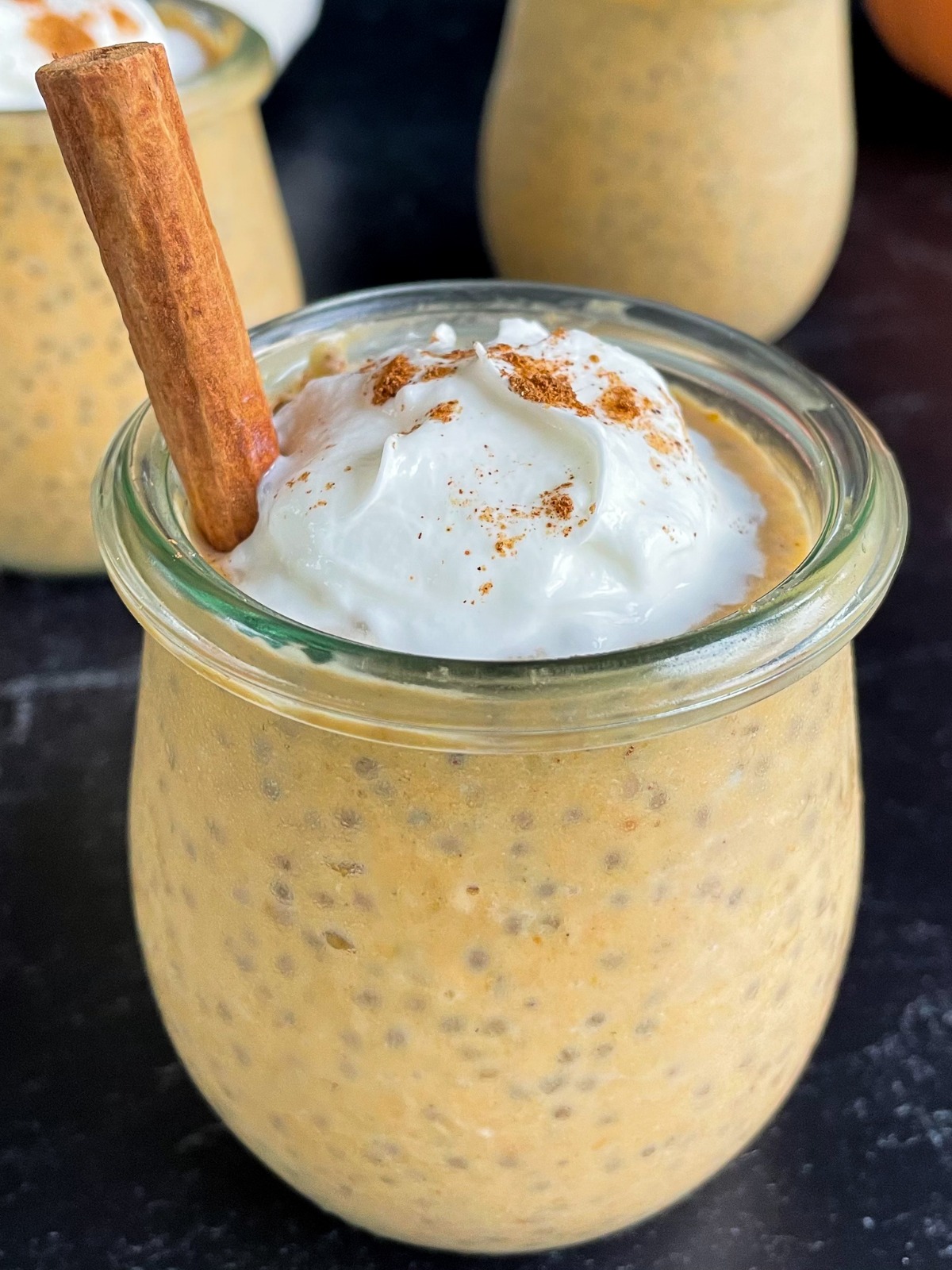
Recipe at a GlancePrep: 10 minutes
Chill: overnight
Cook: none
Yield: approximately 6 servings Ingredients3 cups full-fat coconut milk 1 cup pumpkin purée ¼ teaspoon sea salt 2 teaspoons pumpkin-pie spice 5 tablespoons chia seeds ¼ cup pure maple syrup, or to taste 2 scoops unflavored collagen peptides
Instructions1. Combine. Add the coconut milk, pumpkin purée, sea salt, pumpkin-pie spice, chia seeds, maple syrup, and collagen peptides to a medium bowl or lidded container. 2. Whisk and chill. Whisk thoroughly, cover, and refrigerate overnight. For the smoothest texture, stir once more after 15–20 minutes to break up any chia-seed clumps. 3. Serve. Stir the pudding the next day. If it is thicker than you prefer, add a splash of coconut milk. Serve on its own or top with coconut whipped cream, chopped pecans, and an extra sprinkle of pumpkin-pie spice. Make it your own: Sweetness and thickness can vary by brand of coconut milk and pumpkin. Adjust the maple syrup and add more chia seeds if you prefer a firmer pudding. Share Your CreationDid you make this week’s recipe? Send us a photo and tell us how it turned out. With your permission, we may feature it in a future edition of The Salus Five; personal or identifying information will be removed. What Would You Love to See Next?Would you like more recipes, favorite finds, health tips, local gems, or easy-to-understand explanations of topics you have been curious about? Hit reply and tell me what you would like to see in an upcoming issue. Wishing you a wonderful, healthy, and restorative week. Warmly,
Dr. Jenny Valencia Root, ND, FMCP-M
Salus Natural Medicine | 
0 comments