
Hi ,
As the days get shorter and the nights get darker, why not treat yourself to a bit of self-care and think about how you can be a happier therapist?
Join us tomorrow Saturday for our brand new workshop on the happy therapist. This is now on offer at 50% discount off full price tickets (no code needed).
And on Sunday, we are running an updated version of our very popular 'Adapting CBT for Autistic Clients'. By the end of this month we will have delivered this course to over 600 psychotherapists - with amazingly positive feedback.
Finally, on Sat 21 Oct we are running another brand new workshop Troubleshooting CBT. We give our tips for dealing with the 10 biggest challenges therapists report in working with clients.
Links to our other October events can be found in the list below.
Patrick

New!
How to Be a Happier Therapist
Sat, 7 Oct 2023 09:15 - 11:15
All members of all professions go through periods when they are not enjoying their work as much as they used to. Therapists are no different. Others find that certain kinds of clients leave them deflated or unfulfilled. For many therapists everything is going fine but there just feels like there could be ways to make therapy more engaging and enjoyable for them as therapists. Sometimes the practical pressures of private practice or organisational demands undermine what might otherwise be a rewarding and uplifting therapeutic experience. Being able to shape therapy so that you can enjoy being a therapist is an important part of personal and professional self-care. And, of course, clients are more likely to engage and thrive when their therapist is enjoying the therapeutic process too.
Some of the questions we will address in this practical workshop are:
- How can we maximise our enjoyment of therapy as therapists?
- Why might we sometimes feel down for no reason after a session?
- What therapeutic principles can we apply to our own attitude and experience in therapy?
- What practices might we want to stop doing that are undermining our fulfilment as therapists?
- What are the general principles of enjoyment that we can apply to our work as therapists?
Adapting CBT for Autistic Clients
Sun 8 Oct 2023 10:30 AM - 12:30 PM

This online workshop will provide an introduction to key issues in the support of autistic ('ASD') clients from the perspective of CBT.
CONTEXTS
- What are the key features of autism (ASD)?
- ADHD, ASD and Neurodiversity
- Nomenclature - 'Disorder' v 'Condition' v 'Neurodiversity'
- What are the psychological issues facing neuroatypical clients?
- Managing support in private practice.
Practical Therapeutic ISSUES and TECHNIQUES
- What do autistic clients come to counselling for?
- How can CBT benefit neurodiverse clients?
- Adapting psychotherapy for neurodiverse clients
- Activity Scheduling for the autistic client
- Cognitive Interventions with the autistic client
- Emotional work with the autistic client
- Adapting homework for the autistic client
- Summary
What have previous attendees said about this workshop?
- I’m experienced in this area and found the workshop helpful with very useful resources.
- It really assisted my knowledge base and hearing about adaptions to therapy according to the client's needs. Thank you
- Attended a number of the workshops and have found them helpful. Informing my practice and knowledge.
- I have found this useful as an introduction to working with clients and given me ideas for therapeutic practice
- I found this helpful in reflecting on clinical practice, presentations of ADHD and Autism, and how to adapt clinical practice to clients with neurodiversity.

Troubleshooting CBT: The 10 Most Tricky Problems and How To Fix Them
Sat, 21 Oct 2023 09:30 - 11:30
CBT has the strongest evidence base of any form of psychotherapy. But it is not always easy to implement effectively. This practical workshop focuses on 10 challenges that can affect a therapist working in the real world and that the textbooks don't always tell you about.
Key Questions
- How to fix preparation problems
- How to fix client latecomer problems
- How to fix therapeutic drift
- How to fix homework compliance
- How to fix therapist imposter syndrome
- How to fix therapist drift
- How to fix running out of time
- How to fix not enjoying being a therapist
- How to fix writing up notes
- How to fix not developing as a therapist
Even the best therapist can come up against issues and challenges in the delivery of Cognitive Behavioural Therapy. Although the textbooks and the manuals assume that clients respond to therapeutic interventions in predictable ways, therapists working in the field know that real life is not so simple.
Join us for a review of the 10 top challenges to therapists in CBT - and how to address them.
This workshop provides a practical approach to the messy business of real world psychotherapeutic practice.

Schema Therapy 2 - Beyond the Basics
This workshops builds on the workshop Schema Therapy 1 - Attachment, Relationships and Emotional Needs: Applying Schema Therapy. This workshop looks at key ideas in more depths and examines how they can be applied to treat common presenting conditions such as depression, anxiety, anger and relationship problems. You must have attended the Schema Therapy 1 workshop or completed the online course before registering for this event.
Narcissism and its Victims: Therapeutic Approaches
Fri 20 Oct 2023 9:30 AM - 11:30 AM

This introductory workshop assumes no prior knowledge of this complex and challenging disorder, and will provide an overview of the key issues and principles in understanding, supporting and treating this multifaceted condition.
Individuals with Narcissistic Personality disorder are often thought to be characterised by an inflated sense of their own importance, a severe need for excessive attention, praise and admiration, and a lack of empathy for others. However, the reality is often more complex with contemporary models acknowledging vulnerability and fragility. Equally, living with, or being an adult child of a narcissistic parent, can also be key features of some clients' distress. And what of the related phenomenon of the Echo Personality Disorder - what counselling interventions are possible in those cases?
This interactive, skills-focused workshop will examine contemporary thinking and practice in relation to the treatment of Narcissism - and its consequences.
Tackling Unhelpful Thinking Styles in Clients and Ourselves as Therapists
Fri 27 Oct 2023 9:30 AM - 11:30 AM

It is widely recognised that cognitive biases perpetuate psychological distress by maintaining negative perceptions of our relationships and the world around us. These Unhelpful Thinking Styles (UTS) are a key part of the mechanics of depression, anxiety, anger and many other psychological disorders. But how can we help clients identify these and break the vicious circles they maintain? And how can we as therapists and counsellors ensure that we ourselves are not falling victim to TUTS - Therapist Unhelpful Thinking Styles?
Examples of unhelpful thinking styles include:
- All or nothing thinking
- Emotional reasoning
- Personalization
- Catastrophising & minimization
- Jumping to conclusions
- Disqualifying the positive
- How can we help clients restructure their UTS?
- What clinical tools are available to measure UTS? How can we get the most out of them in practice?
- What is the role of mindfulness, visualisation and tolerating uncertainty in helping clients tackle UTSs?
- What are the ways in which therapists display UTS and is it an issue?
Treating Panic Attacks with Cognitive Behavioural Therapy
Sun 5 Nov 2023 9:30 AM - 11:30 AM
What is this webinar about?
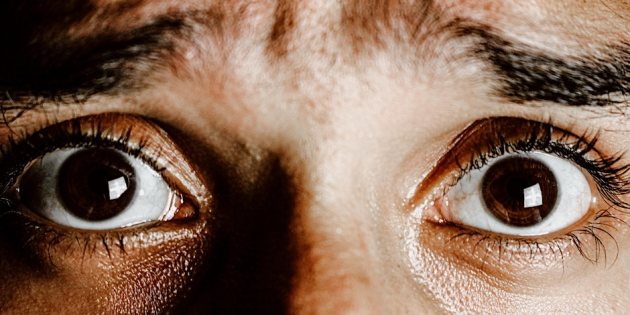
Panic disorder is an anxiety disorder where a person regularly has attacks of panic or fear which come on suddenly . During a panic attack there is a rush of intense mental and physical symptoms. Attacks can come on very quickly and for no apparent reason. A panic attack can be very frightening and unsettling. Symptoms can include elevated heartrate, feeling faint and sweating. Sufferers can sometimes feel they are going to die.
Fortunately, the condition is highly treatable and the prognosis is good through the use of cognitive behavioural therapy and related approaches.
What will the webinar cover? (indicative)
- What are Panic Attacks?
- What are the symptoms and diagnostic criteria?
- What are the differences between Panic Disorder and Agoraphobia?
- What are the main phases of treatment through CBT and related perspectives?
- What are the most effective practical techniques for treating Panic Disorder?
- What are the potential challenges in treating Panic Disorder and how can they be overcome?
- What are the latest ideas on treatments?
Don't forget to check out the Practical CBT Open Academy
With over 30 courses, you can start, pause and complete a full course in your own time. Monthly recurrent subscriptions start at £11.99 per month. Cancel at any time - 7-Day money back guarantee.
Any queries please get in touch by replying to this email.
Regards
Patrick
0 comments