
Dear Family,
In 1993, three engineers sat down at a Denny's restaurant in San Jose, California, with an ambitious idea that would eventually change the world.
One of those engineers was Jensen Huang, a Taiwanese-born immigrant who had once worked at Denny's washing dishes, bussing tables, and waiting on customers.
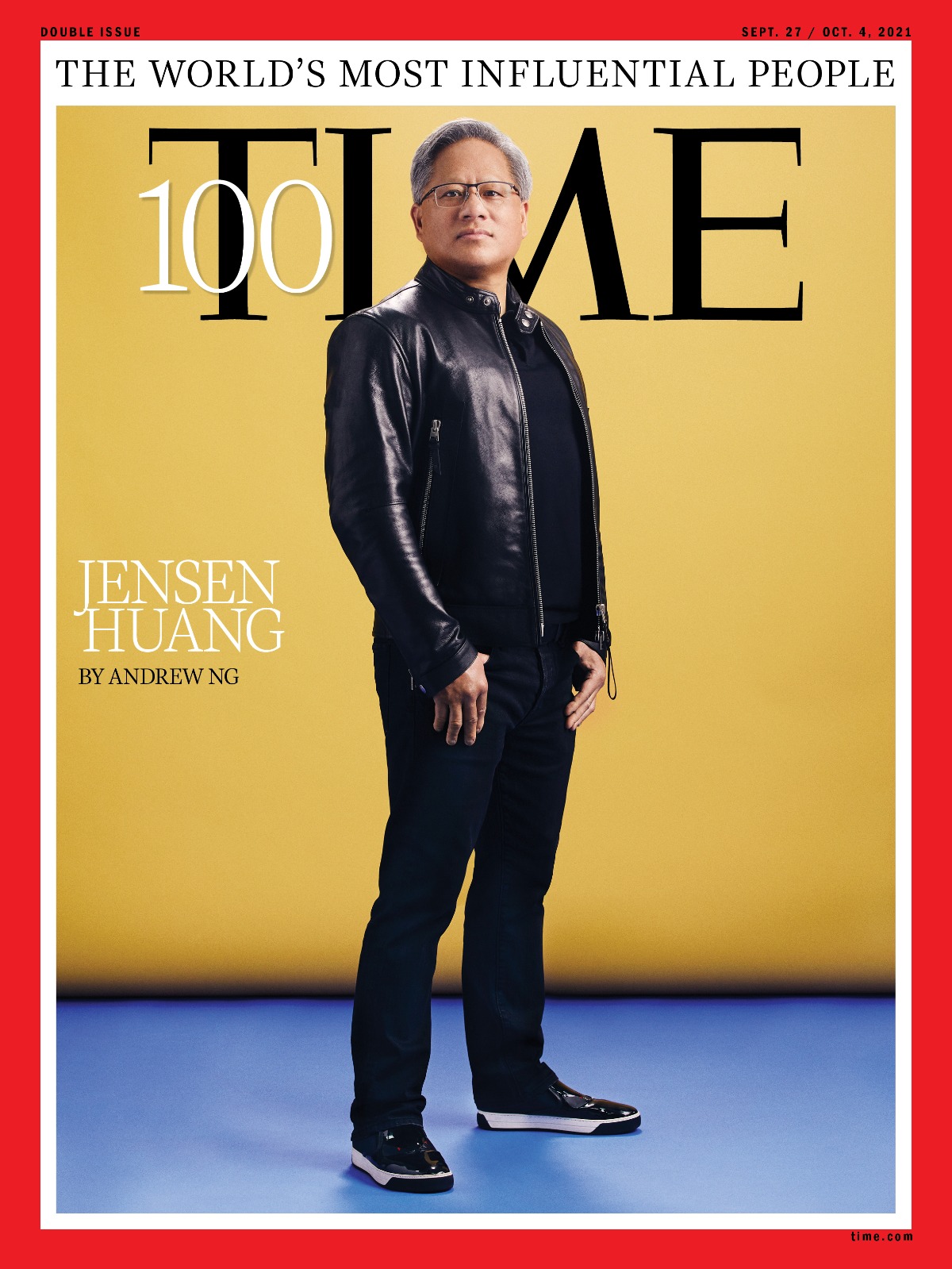
Alongside his co-founders, Chris Malachowsky and Curtis Priem, Huang would go on to build Nvidia, a company that today sits at the center of the global artificial intelligence revolution and is worth trillions of dollars. It's the kind of American success story that inspires generations of entrepreneurs.
A young immigrant who started at the bottom, worked his way up, and spent more than three decades building one of the most important companies in the world.
But this week, Huang found himself making headlines for an entirely different reason. News broke about an extramarital affair involving Huang and a Chinese business executive suspected by U.S. intelligence officials of having ties to Chinese intelligence. Huang has since publicly acknowledged his infidelity, apologized to his family and colleagues, and pledged to cooperate with an independent investigation launched by Nvidia's board. While the allegations of espionage remain unproven, the controversy has already raised serious questions about national security, corporate governance, and the potential consequences for one of the most influential leaders in the global AI race.
As I watched the story unfold, I couldn't help but think about the ancient Greek myth of Icarus.
For those unfamiliar, Icarus and his father, Daedalus, were imprisoned on the island of Crete. To escape, Daedalus fashioned two pairs of wings from feathers and wax, giving them the ability to fly.
Before taking flight, Daedalus warned his son not to fly too close to the sea, where the moisture could weigh down his wings, or too close to the sun, where the heat would melt the wax holding them together.
But as Icarus soared through the sky, he became intoxicated by the freedom and exhilaration of flight. Ignoring his father's warning, he climbed higher and higher until the sun melted his wings, sending him crashing into the sea.
I've always found this story fascinating because Icarus didn't fall because he lacked the courage to fly. He fell because, somewhere along the journey, he lost sight of the very principles that made his flight possible.
And I think there's a lesson here for all of us.
We spend so much of our lives pursuing success, whether that's advancing in our careers, building businesses, creating wealth, or providing better opportunities for our families. We sacrifice, work long hours, and make difficult decisions in pursuit of something greater.|
But what happens when we finally get there?
What happens when the recognition, influence, money, and opportunities we've worked so hard for begin to change how we see ourselves and the world around us? Success can be intoxicating. It can make us feel invincible, convince us that the rules no longer apply, or cause us to underestimate the consequences of decisions we would have never considered earlier in our lives.
And sometimes, the things that threaten us most don't look like threats at all. They arrive disguised as opportunities, attention, admiration, or validation.
I don't pretend to know everything about Jensen Huang's personal circumstances, nor do I believe any of us should rush to pass judgment on someone else's life. But I do believe there's something we can all learn from watching one of the world's most accomplished leaders navigate a deeply personal and public crisis.
The discipline required to achieve success is not necessarily the same discipline required to sustain it.
As we continue pursuing our own versions of excellence, I hope we never lose sight of the people, principles, and values that matter most. Because no amount of professional achievement can replace the trust of our families, the strength of our character, or the peace that comes from knowing we're living in alignment with our values.
And perhaps that's the real lesson of Icarus.
It isn't that we should be afraid to fly high, but that we should never become so enamored with how high we've climbed that we forget what keeps us grounded. There's nothing wrong with wanting to fly higher. In fact, I encourage it.
Just don't forget what holds your wings together.
From LUX, With Love,
Matt
P.S. Know someone who can benefit from this newsletter? Forward them the link HERE
0 comments