
Hey ,
Artificial intelligence is changing the way we work at an extraordinary pace. Tasks that once required hours of research, planning, writing, and analysis can now be accomplished in minutes. Leaders have unprecedented access to information, strategies, frameworks, and tools that can help them make better decisions and lead more effectively.
And yet, I wonder whether we're overlooking one of the most fundamental challenges of leadership.
What if knowing what to do was never our biggest problem?
Throughout my years of coaching business owners, executives, and sales leaders, I've found that many of the challenges leaders face aren't the result of not knowing what to do. More often, they're the result of not consistently doing what they already know. |
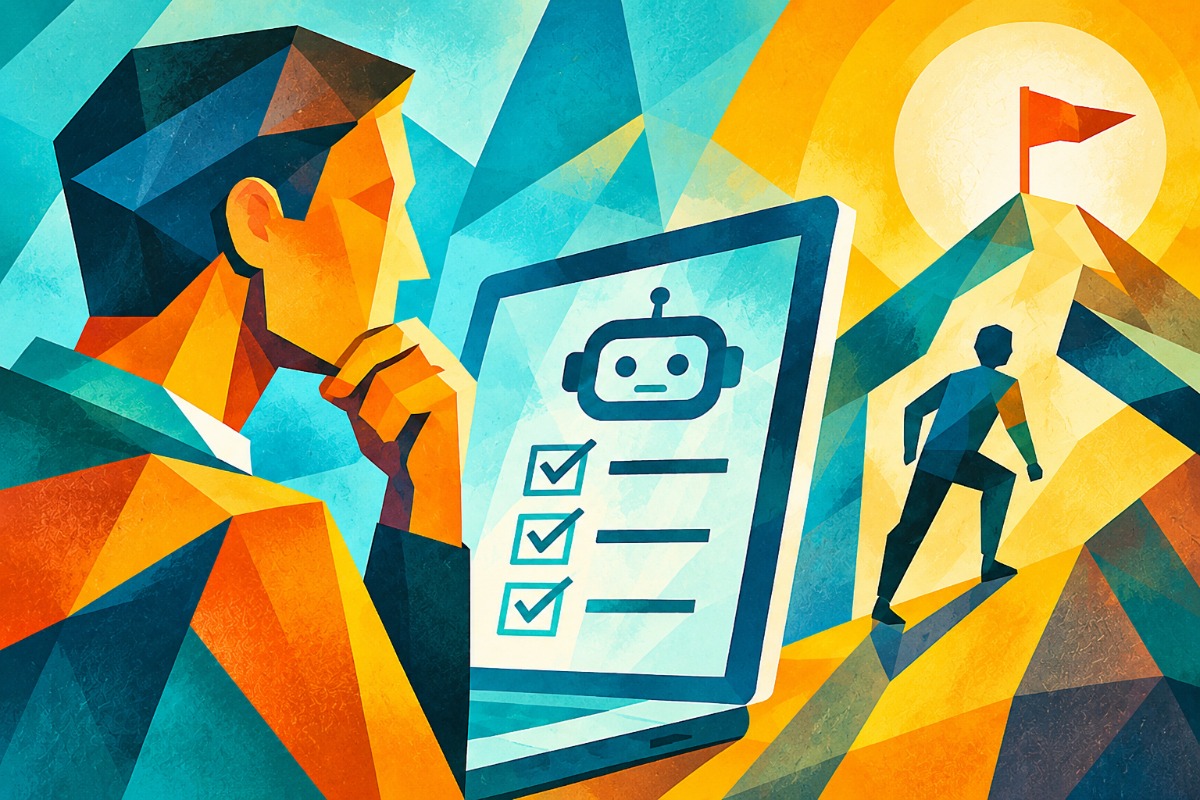
We know we need to have difficult conversations, but we postpone them. We know we need to delegate, but we convince ourselves it's faster to do things ourselves. We know our people need coaching, development, and encouragement, but we allow the urgency of the day to consume the time we intended to invest in them.
AI can help us understand how to do all these things more effectively. It can even help us prepare to do them.
But it cannot make us follow through.
The Illusion of Progress
There's something satisfying about developing a plan. Whether we're creating a strategic initiative, outlining a new accountability process, or preparing for an important conversation, the act of organizing our thoughts can make us feel as though we're moving forward.
And sometimes we are.
But planning and progress aren't interchangeable.
Imagine a leader who recognizes that one of their employees is consistently underperforming. They turn to AI and ask for help structuring a productive performance conversation. Within seconds, they have a thoughtful agenda, carefully worded questions, and a framework for establishing clear expectations.
It's a valuable resource. Perhaps a better one than they could have developed on their own.
But what happens if that leader never schedules the conversation?
Or imagine a business owner who feels overwhelmed by the demands of running their company. They ask AI to help them identify what to delegate, how to prioritize their responsibilities, and how to create more capacity for strategic work.
The resulting plan is excellent. The owner agrees with every recommendation.
But Monday arrives, and they continue doing everything themselves.
In both cases, the problem wasn't a lack of information. It was a lack of execution.
AI can accelerate the creation of a plan. It cannot substitute for the decision to put that plan into practice.
The Three Gaps Technology Cannot Close for You
I believe there are three important gaps leaders must learn to close, regardless of how sophisticated our tools become.
1. The Courage Gap: Knowing What Needs to Be Said vs. Saying It
Leadership requires conversations we'd often rather avoid. We need to address underperformance, challenge assumptions, communicate unpopular decisions, and sometimes tell people things they don't want to hear.
In fact, just this week, I asked a leader a simple question: "What's the biggest thing that's going to hold you back this next year?"
Without hesitation, he answered, "Having difficult conversations. I tend to avoid giving constructive feedback, even though I often crave it for myself."
What struck me about his response was the self-awareness. He didn't need someone to explain the importance of constructive feedback. He understood its value so well that he actively wanted it for himself. And yet, when it came to giving that same feedback to others, he struggled to take action.
That's the knowing-doing gap in action.
AI can help us find the right words. It can suggest thoughtful questions, anticipate objections, and help us approach sensitive situations with greater empathy. But it cannot supply the courage to sit across from another human being and have the conversation.
That responsibility belongs to us.
And the longer we delay, the more likely a manageable issue becomes a significant problem. Performance deteriorates, frustration builds, and other team members begin to notice what we're willing to tolerate.
The question isn't simply, Do I know what to say?
It's, Am I willing to say what needs to be said?
2. The Capacity Gap: Knowing What Matters vs. Making Room for It
Ask most leaders whether they should spend more time working strategically, developing their people, and focusing on the activities that create the greatest long-term value. Most will readily agree.
Yet their calendars often tell a different story.
One leader I work with recently recognized that nearly half his time is consumed by meetings. And while some of those meetings are undoubtedly necessary, they come at a significant cost: his most precious resource, the time and mental capacity to think proactively, establish a compelling vision, and intentionally set the direction and pace for his organization. He knows where his time would create the greatest value. The challenge is making the difficult decisions necessary to protect it.
He's certainly not alone. Leaders everywhere are buried in tasks they should have delegated, attending meetings that don't require their involvement, and responding to problems that could have been prevented with better systems.
AI can help identify inefficiencies, organize priorities, and recommend ways to reclaim valuable time. But it cannot make us release control, establish boundaries, or stop confusing activity with effectiveness.
Creating capacity often requires us to change behaviors that have made us successful in the past.
We may need to stop being the person with every answer, resist the urge to solve every problem, or accept that someone else might complete a task differently than we would.
Those aren't technology challenges. They're self-leadership challenges.
Capacity isn't created simply by knowing what to stop doing. It's created when we actually stop doing it.
3. The Development Gap: Knowing What People Need vs. Investing in Them
Most leaders understand that people need more than instructions and expectations. They need coaching, encouragement, feedback, and opportunities to grow.
But knowing that someone needs development isn't the same as developing them.
AI can suggest coaching questions, build development plans, identify skill gaps, and recommend training resources. Those tools can be extraordinarily helpful.
What they cannot replace is a leader who intentionally invests time in understanding another person.
Sometimes that means asking one more question instead of offering an immediate solution.
Sometimes it means helping an employee unpack a challenge, recognize an assumption that's holding them back, or discover a capability they didn't realize they possessed.
And sometimes it means having the patience to let someone struggle through a problem rather than stepping in to solve it for them.
That kind of development requires presence, curiosity, consistency, and genuine commitment.
A beautifully written development plan that never becomes a meaningful coaching conversation is just another document.
The Real Opportunity AI Creates
I don't believe AI is a threat to effective leadership. In fact, I believe it presents an extraordinary opportunity.
Imagine what becomes possible when leaders can spend less time researching, drafting, organizing, and analyzing—and more time doing the things that actually move people and organizations forward.
More time having meaningful conversations. More time coaching and developing people. More time thinking strategically. More time strengthening relationships, reinforcing expectations, and following through on commitments.
But there's a catch.
The time AI gives us back will only be valuable if we're intentional about what we do with it.
If we simply fill that time with more meetings, more activity, and more distractions, we may become more efficient without becoming more effective.
And if we use AI to generate better plans without changing our behaviors, we'll simply become better at documenting the things we never get around to doing.
Lead Yourself First
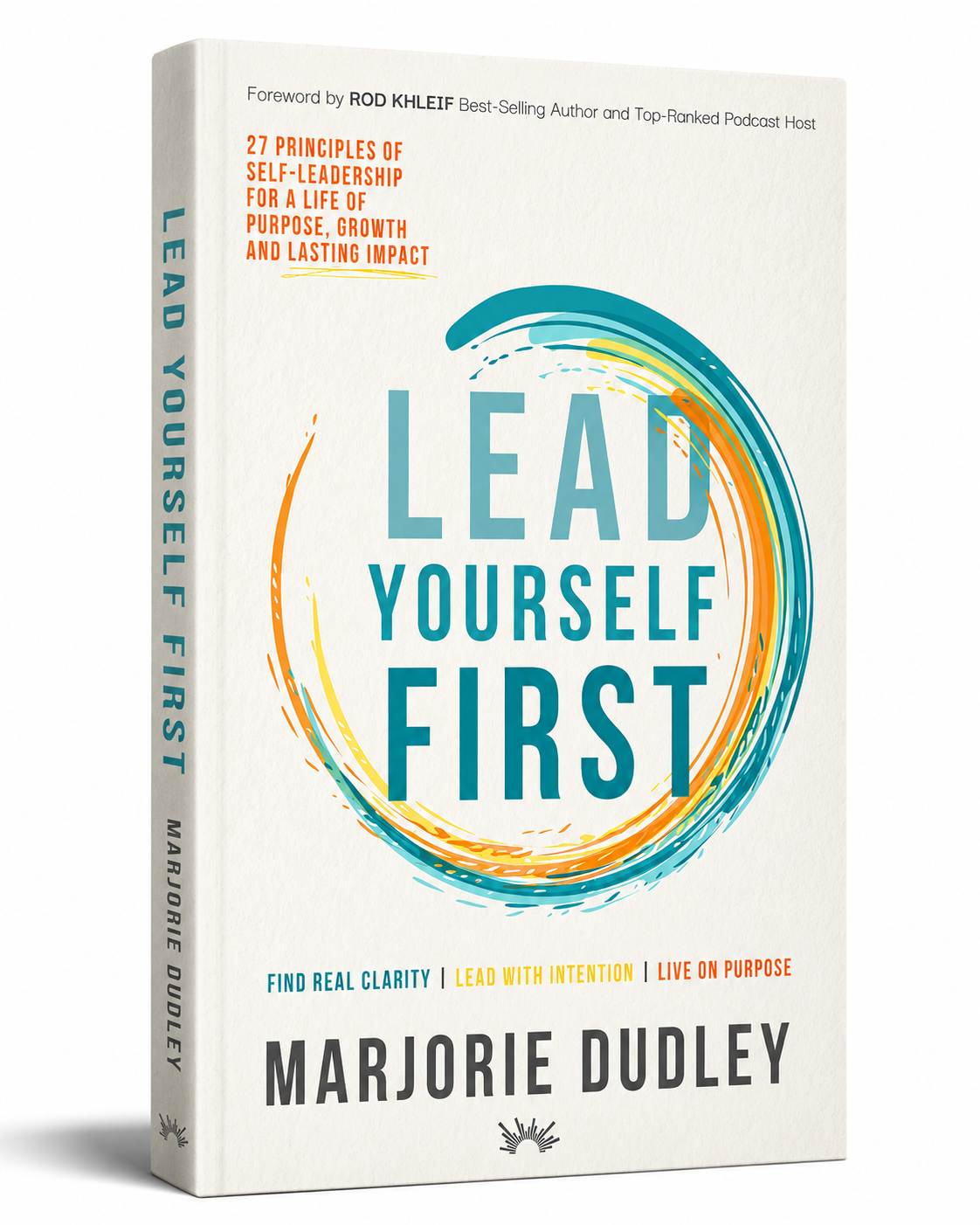
One of the central ideas in my book, Lead Yourself First, is that effective leadership begins with the willingness to lead ourselves.
That means choosing the difficult conversation over the comfortable silence. It means creating capacity rather than continually complaining about being overwhelmed. It means investing in our people even when the demands of the business are competing for our attention.
It means doing what we know matters, particularly when doing it is inconvenient, uncomfortable, or difficult.
AI may help us identify the gap between where we are and where we want to be. It may provide extraordinary tools for helping us close that gap.
But it cannot make the choice for us.
So here's my challenge to you this week:
Identify one leadership responsibility you've been thinking about, planning for, or preparing to address—but haven't actually acted on.
Maybe it's a conversation you need to have. A responsibility you need to delegate. A team member who needs your attention. Or a commitment you've made to yourself that keeps getting pushed aside.
Don't spend another week perfecting the plan.
Take the action.
Because the greatest opportunity AI offers leadership may not be helping us know more.
It may be giving us fewer excuses for failing to do what we already know. Lead yourself first.
Stay Relentless, Marjorie Dudley |

0 comments