Coach -
Jesse Minter was just named the new head coach of the Baltimore Ravens after transforming the Chargers into the NFL's top-scoring defense. Today, we'd like to shares how he decides what coverages to run behind his fire zones.
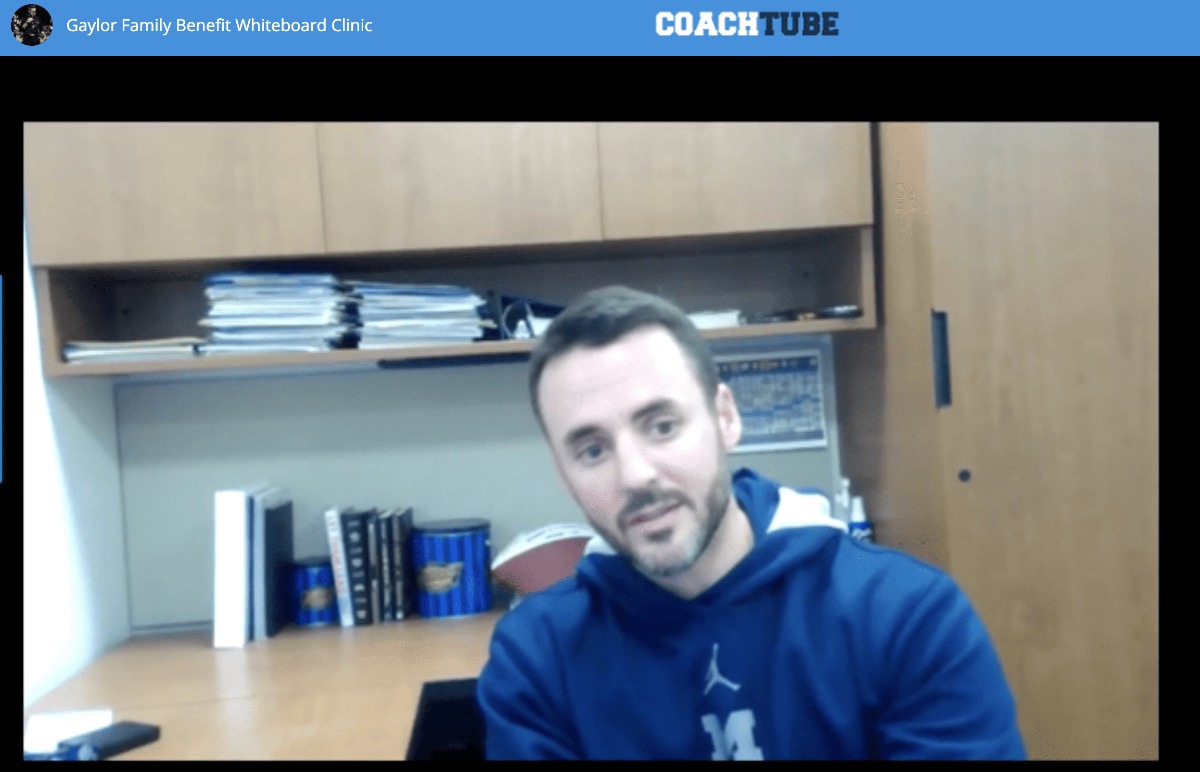
Minter believes your fire zone coverages need to be flexible based on what the offense presents. Here's how he makes those decisions...
Minter's coverage selection comes down to one question: Is this offense hurting you with RPOs or play-action?
Against Heavy RPO Teams: Tight Coverage
As we all know, catch-and-throw RPO teams require tighter coverage. The usual fire zone, three-deep, three-under spot-drop zone won't cut it.
Minter's solutions:
1. Man Pressure – The most obvious answer. Lock up receivers and let the pressure get home.
2. Simulated Pressure with Three-Match or Three-Lock Principles – This is the graduate-level solution. You're still bringing pressure looks, but you drop the backside end and play a pattern-match coverage instead of spot-drop.
"We can play three-match or three-lock principles and have tighter coverage and still really run the same pressure, but maybe drop in the backside end," Minter said. "Now we're able to play a tighter version of the coverage."
The key teaching point: You're not changing your pressure identity. You're swapping spot-drop zone for pattern-match principles to handle what the offense is actually doing with quick game.
Against Play-Action Teams: Three-Deep, Three-Under
When the offense is under center, running wide zone without heavy RPO concepts, Minter goes to traditional fire zone coverage. He teaches that the same pressure concepts work here, but now paired with three-deep, three-under zone.
Why it works against play-action:
1. Three guys with vision – Your zone defenders can see the run/pass and cap runs that break through the initial pressure.
2. Deep shot protection – Play-action teams want the deep cross, the wave route, the cross-country concepts. Three-deep coverage puts three defenders getting depth against those shots.
3. Run support – If the run breaks, you have defenders in position to rally rather than locked in man coverage with their backs to the ball.
Why This Matters
Most fire zone installations focus on the pressure side: who's coming, from where, and how to pick up the patterns. Minter flips the priority. The coverage selection is the first decision, because the coverage determines whether your pressure actually affects the plays the offense is calling.
A perfectly executed fire zone means nothing if you're in three-deep, three-under against a team that's completing 80% of their RPO slants into your dead spots.
Minter's clinic session came from the LOADED Gaylor Family Benefit Clinic with the likes of Mike Macdonald, Jim Knowles, and Ron Roberts.
Check out the full clinic HERE.
Always be growing!
Coaches Clinic Community of Coaches Helping Coaches
0 comments