

March 2026
This month, we’re sharing a few updates and interesting developments in the world of ketamine and mental health care. From proposed regulations that could change how ketamine clinics operate, to new brain imaging research exploring how ketamine works, to insights into the role of the psychedelic experience in healing.

🧠 Brain Scans Reveal How Ketamine Works
New research suggests ketamine may help treat depression by improving how brain cells communicate. In the study, researchers found that people with more severe depression had abnormal activity in AMPA receptors, which are involved in neuroplasticity—the brain’s ability to heal and form new connections.
After a series of ketamine infusions, these patterns shifted in ways linked to improved depressive symptoms, suggesting ketamine may work in part by restoring healthier brain signaling, helping the brain recover, and promoting neuroplasticity.
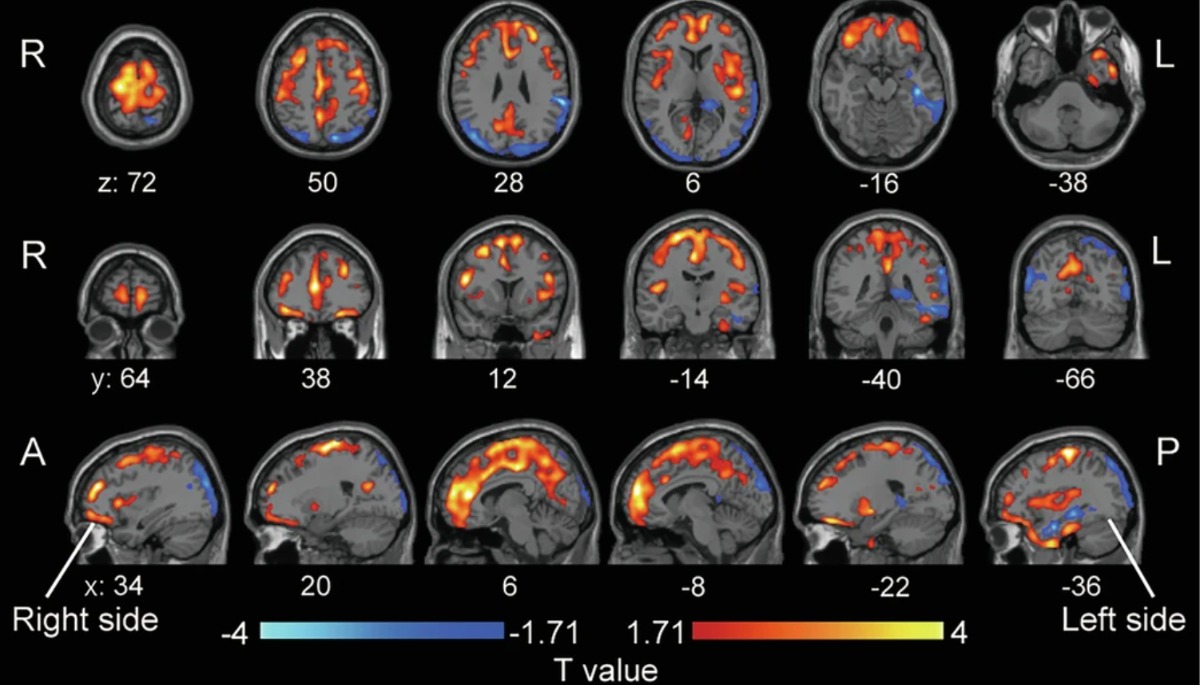
This brain image highlights regions where the baseline density of AMPA receptors predicted how well patients responded to ketamine treatment. Areas shown in color represent brain regions where receptor activity before treatment was linked to greater improvement in depression symptoms after ketamine therapy, suggesting that AMPA receptors may play an important role in ketamine’s antidepressant effects.
🚀 The Psychedelic Experience is Not Necessary for Healing
Despite the common belief that a psychedelic or “mystical” experience is necessary for ketamine therapy to work, research suggests otherwise. A recent study examining IV ketamine for alcohol use disorder found that the intensity of the subjective experience—including altered perception, dissociation, or out-of-body sensations—did not predict treatment success. In other words, people who had stronger psychedelic effects were no more likely to reduce alcohol use or remain sober than those who experienced milder effects.
Clinically, this mirrors what we often see in practice. While the ketamine experience can be interesting and sometimes profound, what matters most is how patients feel in the days and weeks after treatment.
In fact, many patients receiving Spravato treatment have little to no psychedelic experience, yet still experience robust antidepressant benefits. This reinforces the idea that ketamine’s therapeutic effects are driven primarily by its impact on the brain—not necessarily the intensity of the experience during treatment.
⚖️ Texas Proposes Strict Rule: Physicians Must Be On-Site for Ketamine Therapy
The Texas Medical Board has proposed new regulations that would significantly tighten oversight of ketamine therapy clinics. One key rule would require a physician to be physically present on-site during every treatment, rather than supervising remotely. The proposal also includes stricter monitoring requirements, physician training in mental health or ketamine therapy, and limits treatment to documented psychiatric conditions such as treatment-resistant depression, PTSD, or suicidal ideation.
Although this level of physician presence is not required in California, it is a standard we maintain at Innerbloom. I am personally on-site during every treatment, closely monitoring patients and available immediately if needed.
The proposed rules have sparked debate in the ketamine community. What do you think? Are these types of regulations a wise step for patient safety, or an unnecessary restriction that could limit access to care?
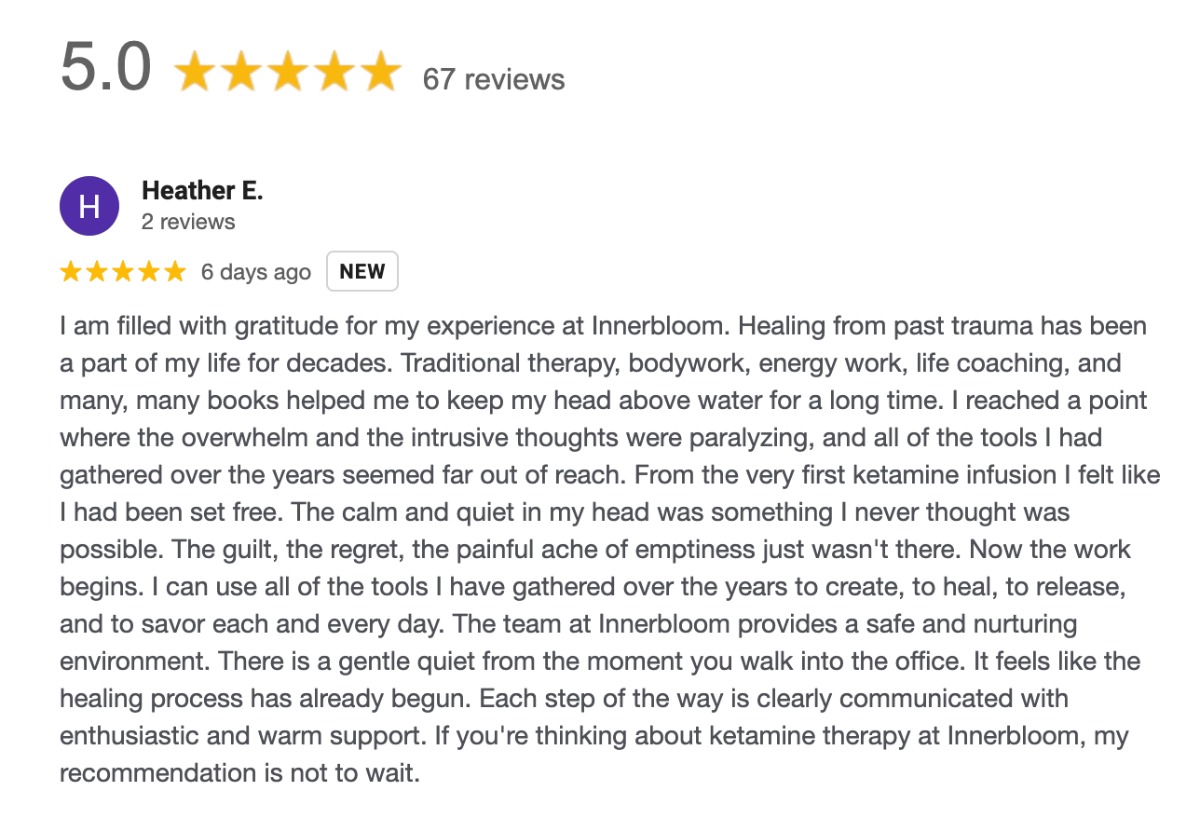
🙌 Patient Testimonial
📖 Book Recommendation: Focusing by Eugene Gendlin
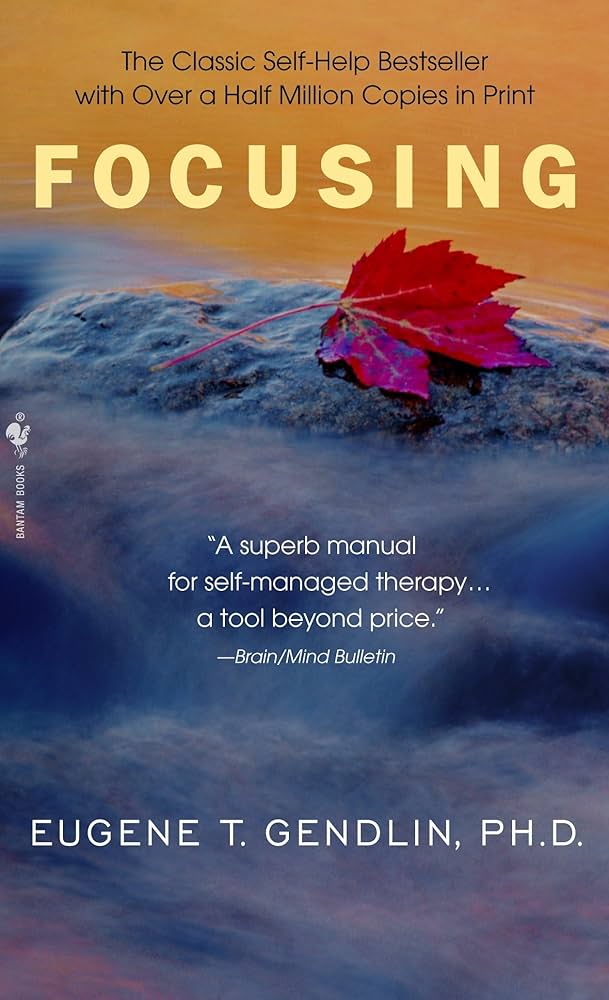
In Focusing, psychologist Eugene Gendlin introduces an approach to emotional healing that differs from traditional talk therapy. Rather than analyzing problems through conversation alone, Gendlin teaches readers how to turn their attention inward and listen to the body’s subtle “felt sense”—the physical sensations that often carry deeper emotional meaning.
By learning to pause, notice these sensations, and gently explore them, people can uncover insights and release stuck emotions. One of the most empowering aspects of Focusing is that it is a skill anyone can learn, allowing individuals to begin healing on their own by developing a more trusting relationship with their inner experience.
Stay Connected
Catch up on past newsletters · Instagram · Blog
About Newy
A supplement formulated by Dr. Rivas for enhanced brain and mood support. The formula pairs especially well with ketamine therapy by helping extend and enhance the neuroplasticity effects. That said, the ingredients are equally effective on their own, so it’s a supportive option whether or not someone is undergoing ketamine treatment.
Thank You!
I appreciate your continued support and for taking the time to read! If you have questions, feedback, or topics you'd like to see covered, reply to this email. I would love to hear from you!
Warmly,

Ray Rivas, MD
Innerbloom Ketamine Therapy, PC
San Luis Obispo, CA
(805) 321-8471