How I am Monitoring the Current Situation
Mar 31, 2026 2:32 am
Dear ,
With recent headlines around the Iran conflict and rising oil prices, it’s natural to feel concerned about what this means for markets.
Instead of reacting to news, I follow a simple framework to check the “health” of the market before making any decisions.
Let me walk you through it in plain terms and where things stand today.
1) Oil prices (very important right now)
Oil has recently risen to around $100 per barrel.
Why this matters:
When oil becomes too expensive, transport and daily costs go up, which can push inflation higher.
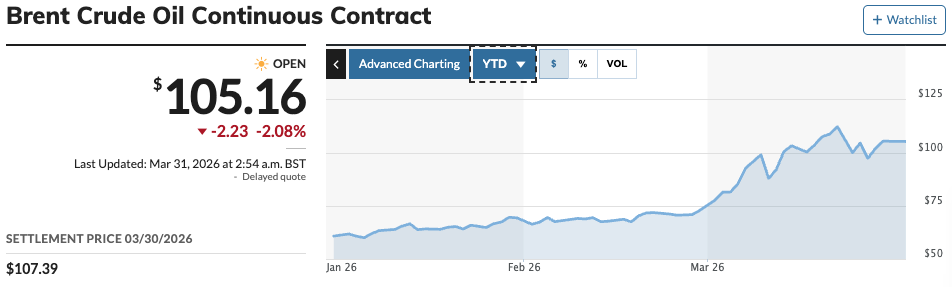
Simple guide:
- Below $90 → Normal
- $90–100 → Some pressure
- $100–110 → Economy starts feeling it
- Above $110 → ⚠️ Risk increases
- Above $120 (for a while) → 🔴 Can lead to recession
👉 Right now: Oil is high, but not yet at crisis levels
2) Borrowing conditions (credit markets)
This shows whether companies are having trouble getting loans.
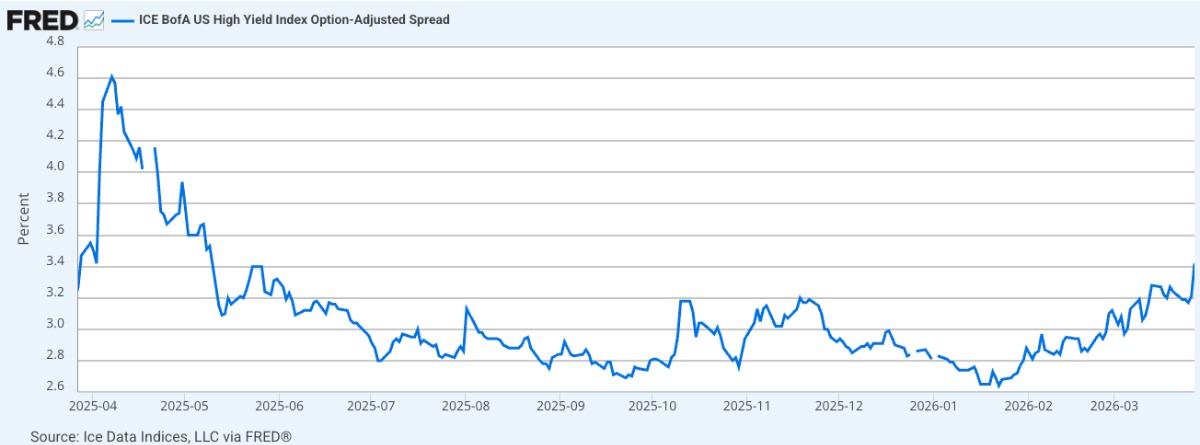
If the percentage increase too much:
- borrowing becomes expensive
- defaults risk ↑
- economy slows
Simple guide:
| 300–400 bps | Normal |
| 400–500 | Stress building |
| 500–700 | ⚠️ Recession risk |
| 800+ | 🔴 Crisis |
Right now: Still stable
3) Interest rate signals
This helps us see if the economy is expected to slow down.
What it means?
Compares short-term vs long-term interest rates
If inverted:
- market expects slowdown
- future rate cuts expected
👉 Right now: No strong warning yet
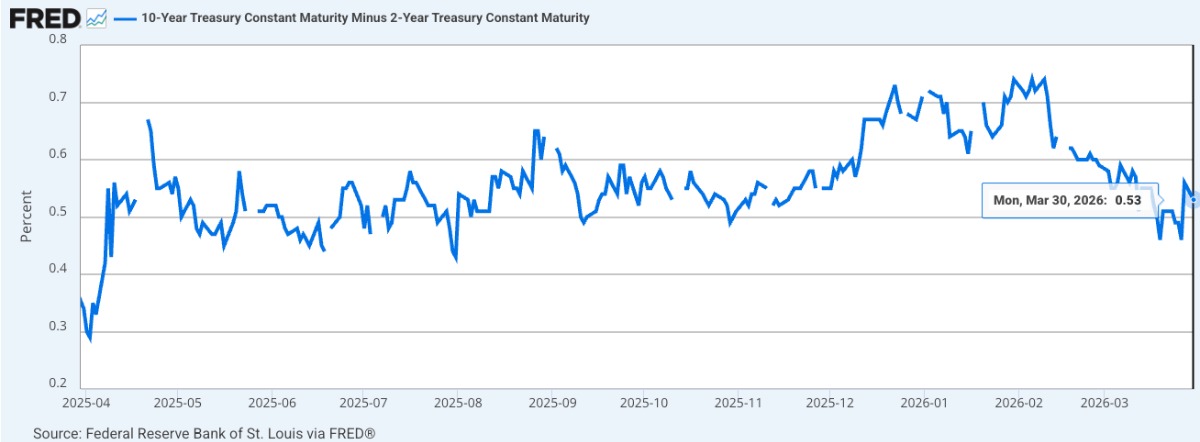
Interpretation:
- No immediate recession signal
- Growth outlook still intact
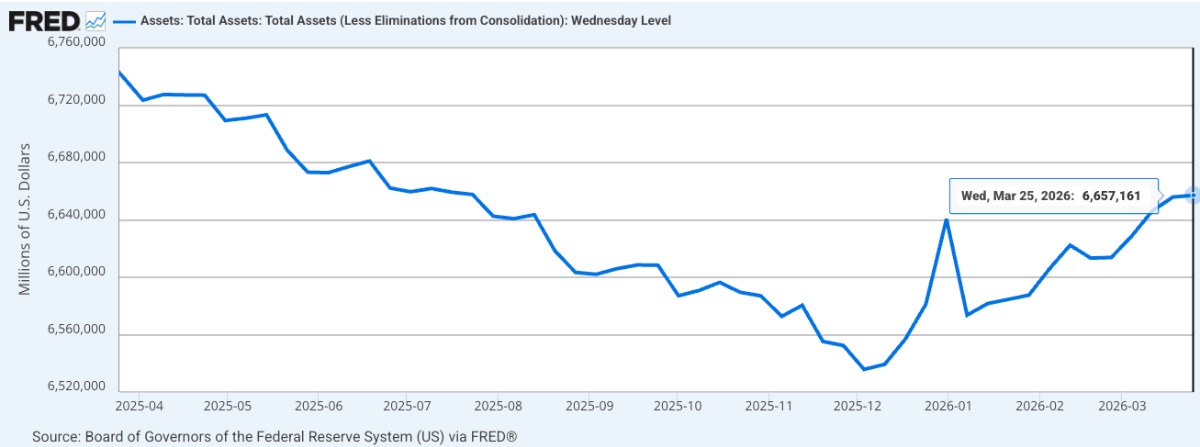
4) Money in the system (liquidity)
Markets need money flowing in to stay stable. This chart shows how much money is in the system.
Right now, although there is uncertainty, the amount of money in the market is still stable.
That’s why markets are volatile, but not breaking
👉 Right now: Slightly tight, but still functioning normally
5) Market fear levels
This tells us how worried investors are.
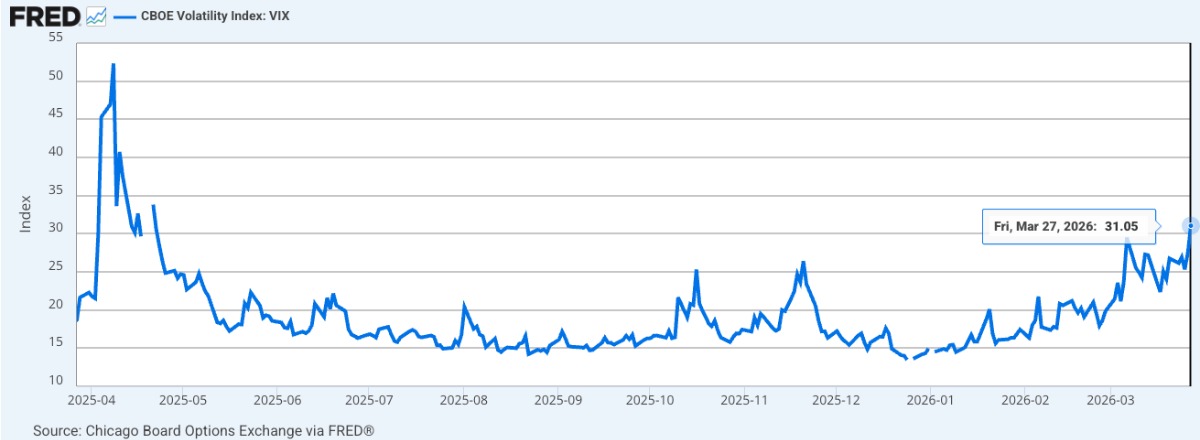
Simple guide:
| 12–18 | Calm |
| 18–25 | Cautious |
| 25–35 | ⚠️ Stress |
| 35–50 | Panic |
| 50+ | 🔴 Crisis |
👉 Right now: Some concern, but not panic
High VIX usually means opportunity often follows
6) Strength of the US dollar
A stronger US dollar can make things tighter globally.
USD strengthens when:
- investors seek safety
- global liquidity tightens
Strong USD:
- hurts emerging markets
- tightens global conditions
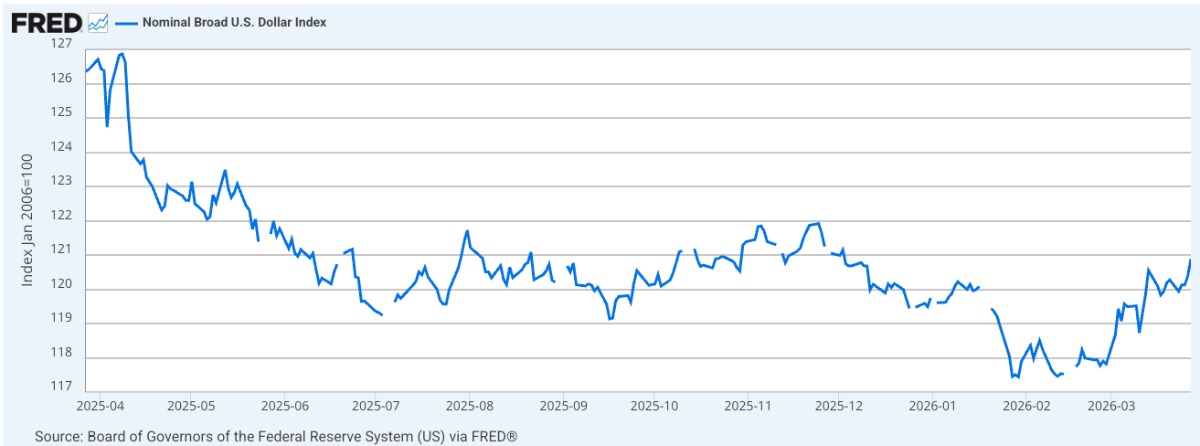
Simple guide:
| Stable | Normal |
| Gradual rise | Watch |
| Sharp spike | ⚠️ Stress |
| Rapid surge | 🔴 Global tightening |
👉 Right now: Slightly strong, but not extreme
Putting it all together
On their own, these signals don’t mean much.
But when several of them turn negative together, that’s when markets usually face bigger problems.
👉 At the moment, only 1–2 signals are showing concern
This suggests we are in a period of volatility, not a full crisis.
The key takeaway:
Markets may feel uncertain now, but the overall system remains stable.
This is why I focus on staying disciplined, rather than reacting emotionally to headlines.
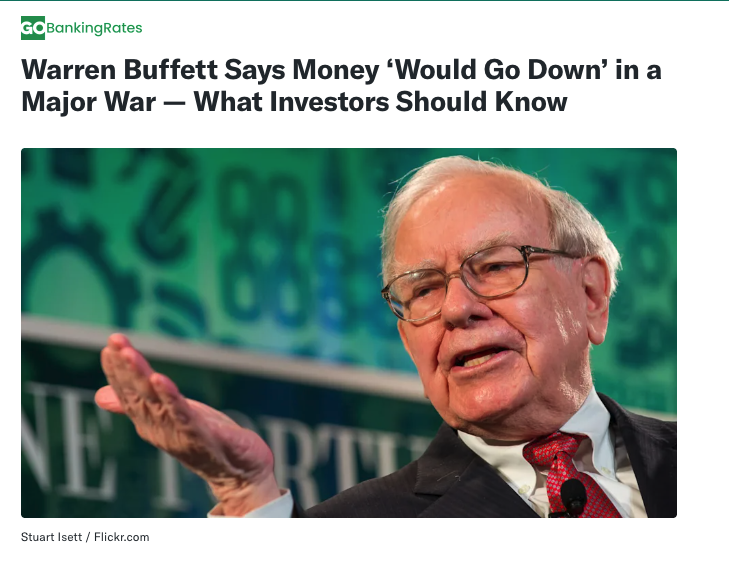
As Warren Buffett recently shared, market declines are not something to fear they can create opportunities for long-term investors.
This kind of environment is often where a structured review can uncover opportunities that aren’t obvious at first glance.
If you would like, we can take a look at your portfolio together to see where you may already be well-positioned and where there could be room to improve.
Warm regards,
Zest
Executive Wealth Consultant
Infinity Financial Advisory