The Renewal Crisis Nobody Is Counting
May 09, 2026 9:01 am

Hello!
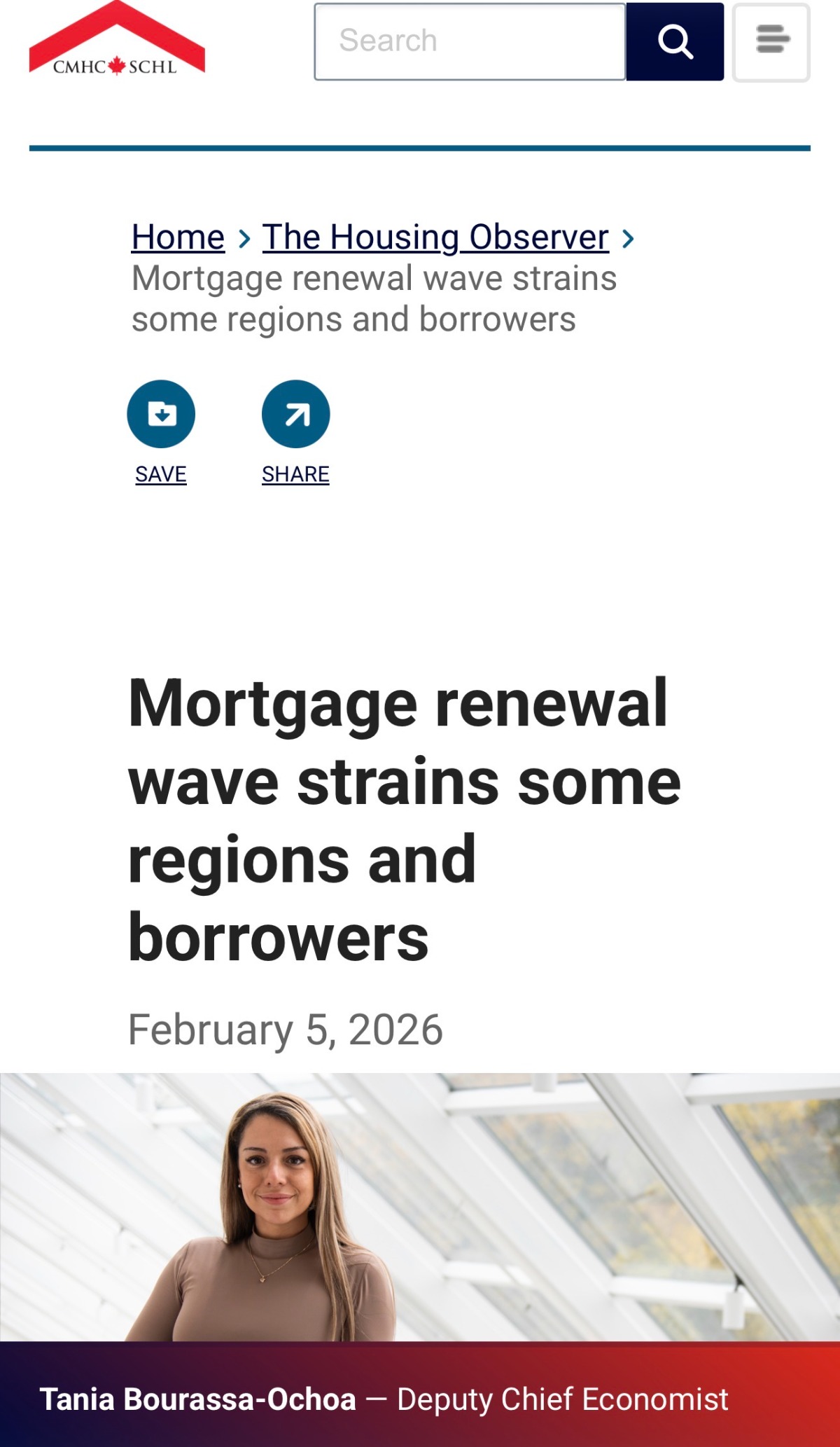
You've probably seen the headlines saying the mortgage renewal wave of 2025–2026 was a "non-event."
Defaults didn't spike. Banks congratulated themselves. Analysts moved on.
I haven't moved on — because what I'm seeing on the ground tells a different story.
The pain is real. It's just invisible.
The homeowners who are struggling aren't missing payments. They're selling before they miss one.
They don't show up in any default statistic.
They just quietly list their home, take what equity is left, and move on.
Nobody tracks them.
Nobody counts them.
This isn't a default crisis. It's a displacement crisis.
Here's how a perfectly reasonable plan went sideways.
Back in 2020–2021, locking in at 1.5% to 2.5% for five years was a smart move.
The plan was to renew, refinance, maybe extend the amortization, roll in some accumulated debt, and get breathing room.
Solid plan.
Here's why it's failing:
To refinance in Canada, you can only borrow up to 80% of your home's current value.
That's a hard rule, no exceptions.
And home values have moved in the wrong direction:
- 🇨🇦 National MLS Home Price Index: Down 4.7% year over year (~$30,000–$35,000 in equity gone)
If you bought in the last few years, the equity cushion you were counting on may simply not be there.
Now add five years of living, a car loan, a line of credit, some credit card debt and the refinance you planned may not be available at any rate.
Personal insolvency filings are up 12.9% year over year as of February 2026.
Most people aren't defaulting. They're filing consumer proposals, a formal way of negotiating their debt down because there's no other exit left.
What this means if you're renewing soon.
Renewing with your current lender at a higher rate doesn't fix anything. You walk into the next five years carrying the same debt load, with a much bigger monthly payment on top of it.
If you're feeling stuck, here's what I want you to know:
There are options. But they get fewer and narrower the longer you wait.
______________________________

Your Credit Score Is Being Judged in Ways Nobody Tells You About
You know your credit score matters when buying a home. What most people don't realize is how lenders actually read it and what tanks your approval before you even apply.
Here's what lenders look at beyond the number:
- Utilization rate — Using more than 30% of your available credit? That's a red flag, even if you pay it off monthly. Keep balances low in the 3–6 months before applying.
- Hard inquiries — Every time you apply for a new credit card or car loan, your score dips. Avoid new credit applications for at least 6 months before a mortgage application.
- Credit history length — That old credit card you want to cancel? Don't. The age of your accounts works in your favour.
- Payment history — One missed payment from two years ago can still haunt you. Lenders look back 2 years minimum.
- Credit mix — Having only one type of credit (just a credit card, for example) can limit your score. A mix of revolving and installment credit helps.
The move: Pull your free credit report at Equifax or TransUnion now, months before you need it. Errors are more common than you think, and they take time to fix.
Your mortgage rate lives inside your credit score. Treat it like a financial asset.
_____________________________________
Got other questions? You can book your free 15 MIN. MEETING - no pressure, no sales pitch.
Just clarity.
Talk soon,
Fred Camingal