
In this 20th edition of the Not Dead Yet Newsletter, I discuss combat in 20th-century sword and sorcery stories.
Combat in 20th century sword and sorcery stories
As an adolescent in the late 1970s, I began reading adult fantasy. That included Tolkien, but there were other authors. Two whose names I haven't forgotten were Robert E. Howard and Michael Moorcock, creators of Conan and Elric respectively.
Of course, as a youth I was entranced by the strength and toughness of Conan, who always made the right decision and leaned on luck. That made Elric so much more fascinating; he was weak both physically and morally and always chose the wrong path. Both characters had dramatic sword fights. However, there were issues even at age 13 that made me uncomfortable with both protagonists:
Conan and the world around him is often racist. Furthermore, women are mostly fragile objects of desire
Elric's use of drugs (eventually I realized this is another demonstration of his weakness). Women also tend to be fragile objects of desire
In any case, I recently decided to read those stories again—this time from the perspective of an author with too much historical knowledge writing stories that include combat.
The first thing I noticed is that both Howard and Moorcock used the term "broadsword" apocryphally. This was common at the time, when nearly every non-short sword that wasn't a rapier or curved was labeled that way. Broadswords historically were a Scottish basket-hilted weapon. My understanding is that this pattern of mislabeling began in the late Victorian era.
Second, Conan absorbs damage like a video game character rather than a human. He gets cut and slashed, yet shrugs off injuries that would be mortal to us long enough for someone else to dab the blood from his skin. In a way that makes sense, Robert E. Howard was a boxer and not a swordsman. Taken in that context, Conan's fights make sense - he's trading punches with individuals and crowds, not sword strokes. The problem is that there's rarely any sense of weapons' lingering effect on Conan. Combined with his tendency not to make close connections, that means his stories never feel risky. He never sacrifices anything. In his stories, Conan's lack of serious consequences in battle makes them significantly less exciting.
Third, Elric's fights are about his mood. What he's feeling: usually rage, sadness, or desperation. In many combat scenes, Elric experiences loss- there are usually stakes he needs to care about. Stormbringer is the loose cannon of the series, taking the lives (and souls) of people Elric doesn't want to lose at the worst possible moments. It's no wonder Elric eventually finds the strength to lock the dark sword away for years - but quickly returns to it to save his wife rather than rely on drugs to keep him strong.
From a writer's perspective on combat, I personally enjoy the Elric stories more than Conan's.
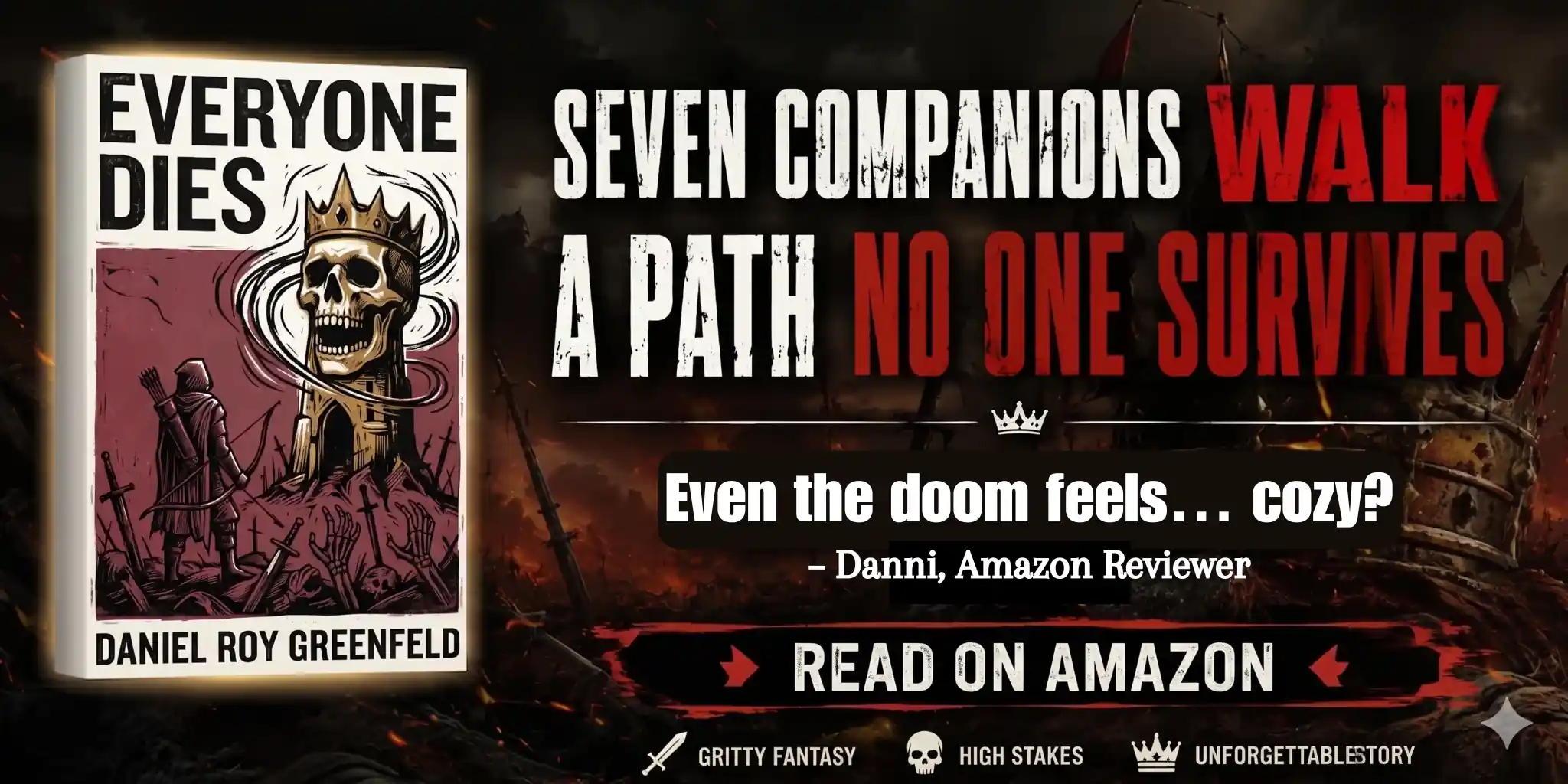
Everyone Dies
My latest book, Everyone Dies, has several combat sequences. Every moment an edged weapon is drawn serves a purpose, with stakes that have real meaning.
Stories by other authors
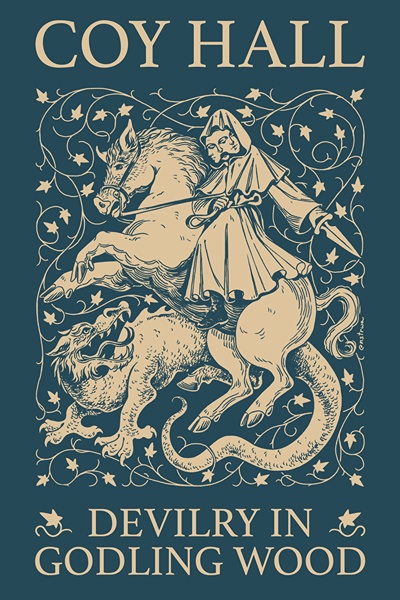
Years ago, something else walked these woods. It never left.
An epic tale of medieval horror.
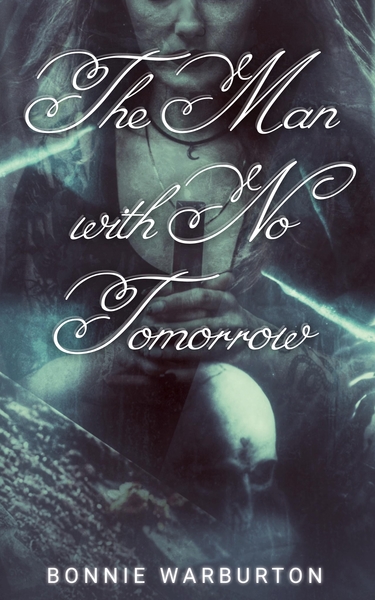
A ghostly companion with absolutely no filter.
Naire Painted Wheel can read the invisible strands of a person’s life, and someone is stealing the time people have left.
In the overcrowded, chemical-choked slums of Okhaven, bounty hunting isn't just a job.
It's a fight for survival.
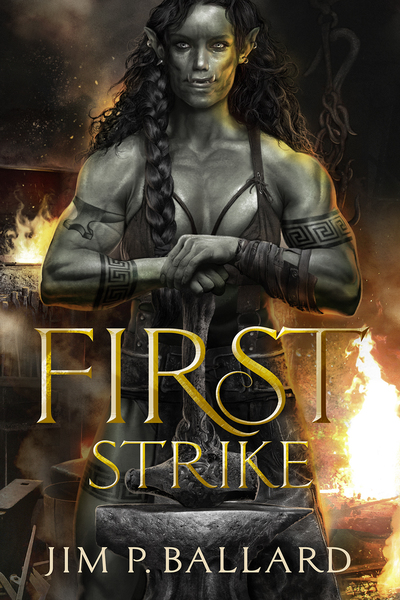
Every town wants a smith, but none want a berserker.
Featured by Jon Cronshaw!
0 comments