 New Post from BiteofanApple
With Flying Pen, When Mortals Sleep
It was a sweltering August day. I made my way across the promenade, and through the bustling crowd, to a small line forming outside the Timkin Art Museum. Inside, I stumbled on Pieter Bruegelthe Elder's Parable of the Sower, painted in 1557, nearly five centuries ago.
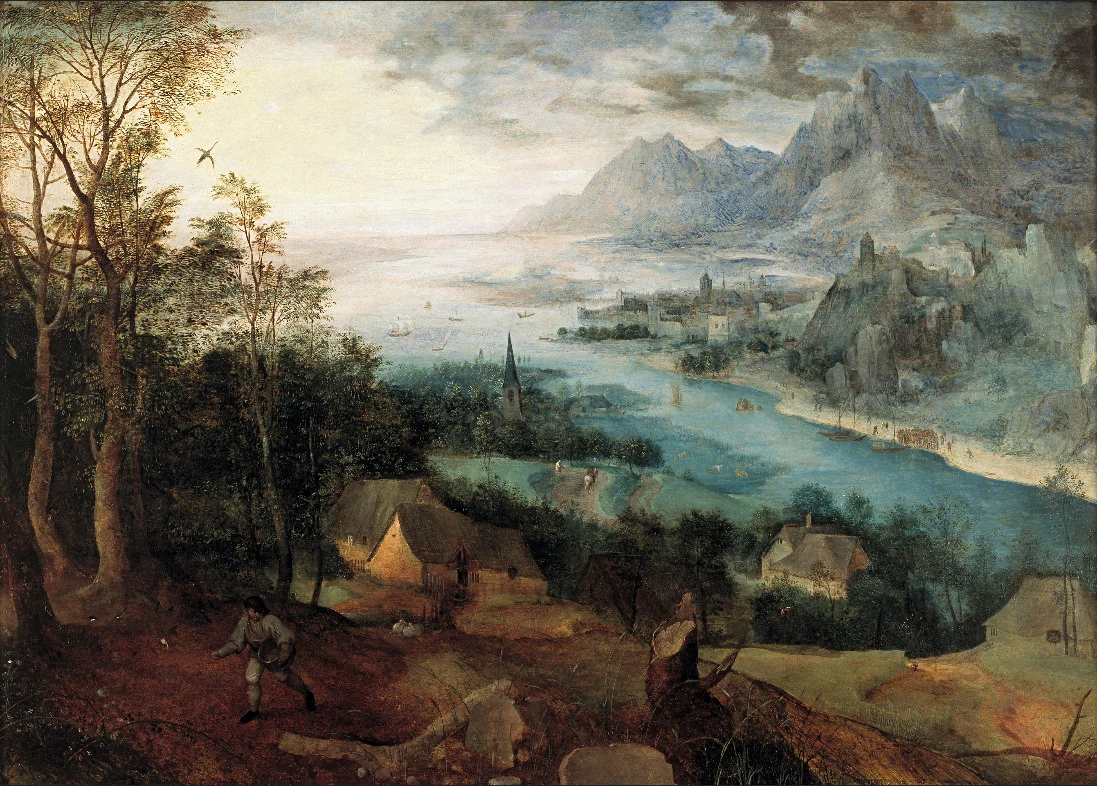
Photo: The Yorck Project (2002)
10.000 Meisterwerke der Malerei
When Bruegel took his brush to this canvas, the New World had just been found by Europeans, and the United States was still long into the future. Around me then were all those people, those wandering souls, who across those centuries stood before this same piece and idly mused at a thing made by the hands of a long-dead Flemish man.
I thought about him. Not Bruegel-another man-one whom I've come to know these past few years. He does not know of me, yet we both could have seen this very painting. We were connected through the mists of time by this canvas portal to the past.
It was October 10th, 2023 at about ten in the evening. I was crawling down a research rabbit hole, as I am wont to do. I wanted to know more about the history of alchemy. I knew the stereotypes, the modern myths, but I wanted to know what real alchemists were doing in their labs.
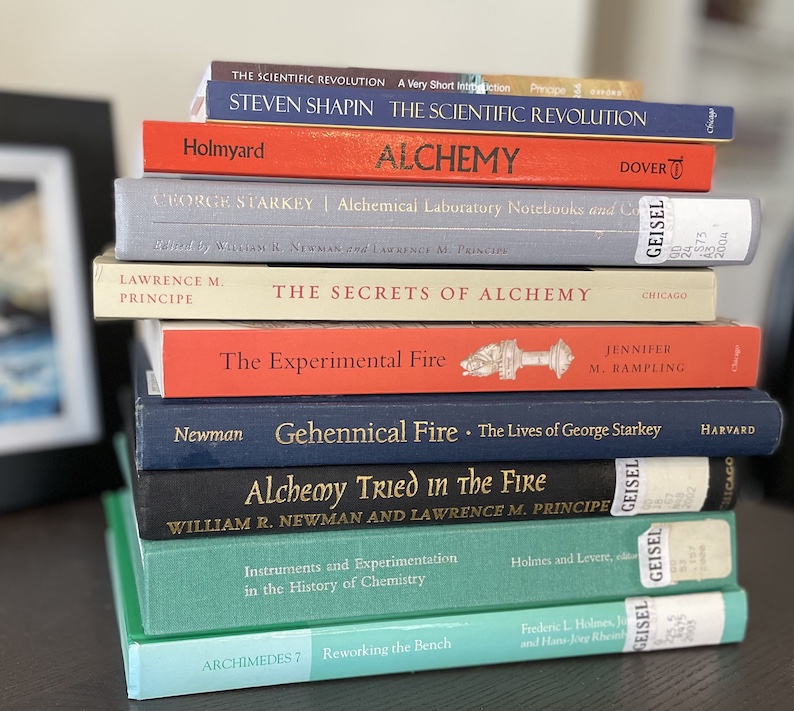
The Secrets of Alchemy by Dr. Lawrence Principe purported to answer this exact question and so I tore through that wondrous book, my face lit by screenglow. When I finished it, I dove into the footnote trail, seeking answers to further questions.
I've pored through a great number of books in the intervening10 years, and written a fair number of different blog posts on the subjects I discovered there. I met an array of different names: Ripley, Helmont, and Lull, different characters whose stories intermingled and wove a grand tale between the centuries on worn and precious parchment.
Did you know that the seventeenth century was the heyday for alchemy in Europe? Or that Isaac Newton was an alchemist. So was John Locke, in a way. The two were part of a circle of scientists, alchemists, doctors, and philosophers who would go on to found the Royal Society of London. So many famous names in history were there, bound up in the story of alchemy and its rise and fall from grace.
London in particular was a hotbed of alchemical interest at the time, as Germany had been in the decades before. All of Europe was abuzz with it. Yet, in all my reading, had there been no mention of the New World?
What about American Alchemists?
0 comments