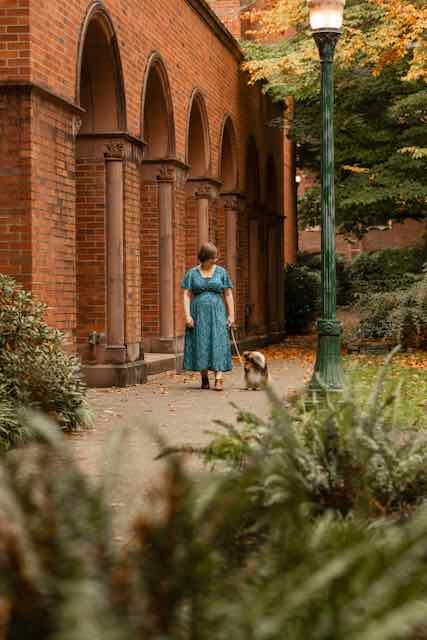
Introducing: Heather Dodge Martin
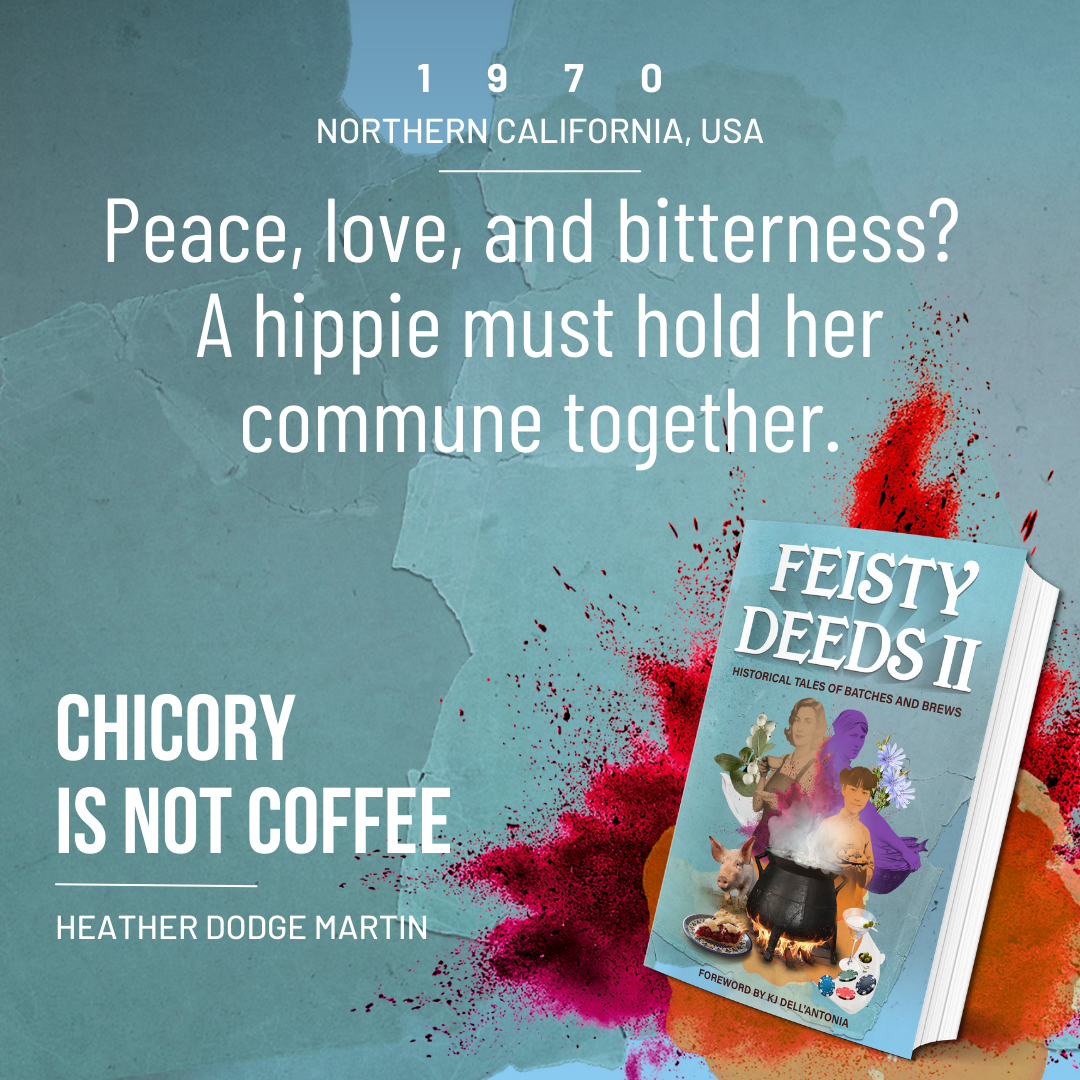
Author of "Chicory is Not Coffee" in Feisty Deeds II
Image: Hope Around the World on Shutterstock
As a student of American history, I’m fascinated by the 1970s in general and the back-to-the-land movement in particular. Much of my fiction, including my novel-in-progress, Peace Place, is set in the fruitful ferment of this time and place. My Feisty Deeds II story, “Chicory is Not Coffee,” uses the all-important morning brew to uncover the tensions inside a 1970’s hippie farm commune in Northern California. My main character, Gayle, is forced to re-evaluate what she thinks about herself and her housemates when a minor disagreement turns into a power struggle.
I first got interested in the back-to-the-land setting as a kid, when I spent summers with my aunt and uncle on their rural homestead “up north” at the tip of Michigan’s lower peninsula, complete with huge garden, outhouse, milk goats, and plenty of long hair and sitar music. Happily unsupervised, my siblings and the neighbor kids and I used to light up the wood-fired sauna down in the cedar woods until we were as hot and sweaty as we could stand, and then jump into the icy spring-fed creek. I thought it was the coolest place ever, despite the weird vegetarian food. (I packed my own Spaghetti-Os.)
As I grew, I gradually learned from my aunt and uncle about the values that led them to choose to live apart from the mainstream: a deep, peaceful Eastern-inspired spirituality; the desire for a close connection with nature; a wish to disengage from the capitalist military-industrial complex that had sent my uncle to Vietnam. A drive to see what they, in community with their like-minded neighbors, could do for themselves. The contrast between those values and my middle-class, suburban upbringing with two hardworking, achievement-driven parents was irresistible to me, even if there was no “Gilligan’s Island” up there (because there was no TV).
We learn a lot about ourselves by interacting with others. The specific setting of “Chicory is Not Coffee” is important because it tees up the conflict of priorities that becomes the flash point between the characters. But the essence of the story is about how living with others in close quarters can rub away at our image of ourselves, until we see the sometimes uncomfortable truths underneath. That idea could have been explored in any time period, in another place– a family, a military unit, a dorm.
The story also explores the uneasy compromises we need to negotiate in order to get by in a group, and in fact, to exist with our shiny bright ideals in an imperfect world, as an imperfect human.
And that experience is one we all, whatever our location or historical period, live every day.
FREE HISTORICAL COOKBOOK DOWNLOAD
One window into the specificity of any time and place is the food that people prepare and share with each other. (My childhood response to my aunt and uncle’s “weird” 70s vegetarian food is a case in point!)
Would you like to get up close and personal with the sensory worlds of the Feisty Deeds II stories? Thirteen of the Feisty Deeds II authors have contributed to a a downloadable recipe booklet of dishes from around the world, called “Our Best Batches and Brews”. You can taste medieval porridge called frumenty, melt-in-your mouth Southern green beans, Polish onion buns, or a hippie lentil bake, while reading about how the foods connect to the stories in our anthology. This recipe booklet is free to the subscribers of this newsletter. We appreciate you!
Click this link to download your copy.
Dig in!
Heather Dodge Martin weaves stories of women making a place for themselves in the complex world of the 1970’s, and believes that the political, cultural, and economical upheavals of that decade still echo today. She lives in rural Northern California with her human family, a small flock of chickens, and their two feline overlords.
Heather regularly shares writing updates, historical musings, 70s music playlists, and pictures of her cats and/or flowers on her free Substack publication, Notes from Peace Place. Please click here to subscribe, and stop by to chat!
Note from the editors:
If you are interested in your writing being included in Feisty Deeds III, submissions are opening at the end of the summer! Submissions are open to WFWA Historical Fiction members. Please click here if you are interested in further details!
0 comments